





Study in UK for Indian Students : Universities, Courses, Costs, Scholarships & Placements
Discover Universities, Courses, Eligibility, Scholarships & More
United Kingdom
Study in UK Overview
Latest Updates
- UK universities step up India outreach as the University of Birmingham announces a £12,500 Future Skills Scholarship for Indian students.
- To streamline entry, Cambridge University also plans to admit Indian applicants by CBSE Class 12 qualifications.
- This development comes amid the UK’s new education policy 2026.
- The UK government has confirmed that the Graduate Route (Post-study Work) visa will be reduced from 2 years to 18 months for the students commencing courses that finish after January 1, 2027.
- The application for the Commonwealth Shared Scholarships for the 2026/27 cycle will be open from 12th November 2025 and will end on 9th December 2025.
- Students applying to study in the UK on or after 11th November 2025 must show increased maintenance.
The Study in UK programmes are popular for their traditional teaching methodologies, top universities round the world, and extensive research opportunities. As per TOI report there were 98,890 Indian students in the UK in 2024. There has been a 42% decline in the study visa grants to India. Nation in the last couple of years. The drop is largely driven by the ban on the dependents for taught master’s students.
Some of the top English Universities include Imperial College London, LSE, Oxford, University College London, etc. The Study in UK Universities with decent acceptance rate include Anglia Ruskin University, Arden University, DeMont Fort, etc. The study in UK fees for UG courses range between £11,400 - £38,000 and the same for the PG courses range between £17,000 - £22,000. The cost of living in the UK is £14,000 to £22,000 per year. The study in the UK programmes are also renowned and popular for their post-degree work opportunities.
For instance, as per latest report says, following were the key career outcomes observed, 15-months after graduation, 57.3% students were working full-time in the UK, 11.4% were working part-time in the UK, 10.6% were working and studying, 9.7% went for the further studies, while 5.7% were involved in other activities. This SYU expert guide on Study in UK will navigate you through the Universities, courses, costs, scholarship & placements available in UK for international students.
Study in UK: Quick Highlights
The following table shows the quick overview of the study in UK courses.
Particulars | Details |
Total Number of Universities | 160+ |
Cost of Studying in UK |
|
Cost of Living in the UK | £14,000 to £22,000 per year |
Part-time Work | 20 hours/week |
Post-study Work Visa | 18 months to 2 years |
Top Universities in the UK |
|
Why Study in the UK?
Studying abroad is a crucial decision for every student. The following are the key reasons making the UK a lucrative choice for students to study abroad.

- Masters Degree Duration: Most of the popular masters degrees in the UK last 1 year unlike other options like the US and Canada. Because of this, students have to pay less fees and are able to enter the job market early.
- Post Study Work Visa: After completion of the full time Degree, the graduate visa allows students to look for a job in the country for 18 months.
- Robust Academics: As per the QS World Ranking 2026, 4 universities in the UK are under top 10 universities in the world. This is due to their excellent academic infrastructure, and their unmatched legacy.
- Research opportunities: Top Universities in The UK offer excellent research opportunities. As per the latest survey, the research submissions at 157 UK universities are marked as 41% world-leading, 43% internationally excellent, 14% internationally recognised, and 2% nationally recognised.
- Scholarships: While enrolling, students have access to a number of scholarships. The top study in UK scholarship includes International Scholarships Award, Commonwealth Scholarship and Fellowship, Chevening Scholarships, GREAT Scholarships, Charles Wallace India Trust Scholarships, etc.
- Student and Academically Friendly Destination: London is constantly ranked at the top destination for studying under QS World Ranking for the last 3 consecutive years.
What is the Education System in the UK?
The following is the typical education system followed in the United Kingdom.
Study in UK: Degree Structure and Duration
The most significant difference for Indian students is the duration of degrees. The table below shows the degree structure and duration in the UK.
Level/Programme | Features |
Undergraduate (Bachelor’s) |
|
Postgraduate (Master’s) | UK Master's degrees are intensive and typically last 1 year (12 months), compared to the standard 2 years in India or the US. |
The "Sandwich" Course |
|
Note: Students must note that the education system in the UK is primarily similar to that of the Indian Education System. This feature of study in UK programmes makes the destination highly adaptable for Indian students.
What are the top universities in the UK?
The following are the top 10 universities in the UK based on the QS World Ranking 2026.
Universities | QS World University Rankings 2026 |
Imperial College London | 2 |
University of Oxford | 4 |
University of Cambridge | 6 |
UCL | 9 |
King's College London | 31 |
University of Edinburgh | 34 |
University of Manchester | 35 |
University of Bristol | 51 |
London School of Economics and Political Science (LSE) | 56 |
University of Warwick | 74 |
What are the popular courses to Study in the UK?
The top universities in the UK offer mostly all courses in every discipline. However, some of the study in UK courses are highly popular among Indian students. The table below mentions some of the popular courses offered at top universities in the UK.
Discipline | Top Courses in UK |
Business and Administrative studies |
|
Engineering, Technology, and Mathematics |
|
Humanities |
|
Natural Science |
|
Social Science |
|
Creative Arts |
|
Dont Miss:
What are the Top-ranked courses in the UK for international students?
However, there is no specific popular course in the UK. Top courses in the UK for international students include business and management (like MBA), computer science and IT (including AI and data science), and various engineering fields. Other popular options are medicine and healthcare, law, and creative arts, design, and media. Approximately 7,30,000 students are studying in the UK, which comprises 25% of the total student population of the country.
What are the key features of studying MBA in the UK?
The MBA in the UK is a one-year program with the perfect blend of academic excellence and post-study work opportunities. London Business School, Said Business School (University of Oxford), Judge Business School (University of Cambridge), Warwick Business School, and Alliance Manchester Business School are among the top-ranked for MBA in the UK. The average tuition fee ranges from € 30,000 to € 60,000.
Read More: Study MBA in UK Without Work Experience
How to get admission in the MBA courses in the UK?
The following is the step-by-step process to apply for the MBA course in the UK.
- Research the University: Firstly, select a curriculum, and find an MBA degree program that does not require professional experience as an entry criterion.
- Check the Eligibility Criteria: For academics, an undergraduate degree with 60% scorecard and English language competency levels must be satisfied with an IELTS mark between 6.0-6.5.
- Prepare the following Documents:
- Score card of GMAT/GRE (if essential).
- Outcome of an English language test (IELTS/TOEFL/PTE).
- Educational qualifications and transcripts received.
- Letter Of Recommendation(LOR).
- Statement Of Purpose(SOP).
- Make an Application Online: For the selected institutions, apply before the deadline.
- Interviews: Participate in professional evaluations as required to appear driven and express oneself clearly.
- Accept Offer & Visa: The UK Student Visa (Tier 4) application can be lodged upon receipt of the MBA offer letter.
What are the top destinations to Study in the UK?
The most popular city to study in the UK is London. The city has been ranked at the third place in the Best Student Cities in the World 2026 Rankings. The table below shows some of the popular cities in the UK based on the QS World Ranking.

City | QS Best Student Cities in the World 2026 Rankings |
London | 3 |
Edinburgh | 15 |
Glasgow | 35 |
Manchester | 40 |
Newcastle Upon Tyne | 41 |
Coventry | 45 |
Bristol | 47 |
Nottingham | 49 |
Leeds | 51 |
Birmingham | 59 |
Study in UK: Admission Intakes
There are generally 3 admission intakes available for studying in UK for international students. The following are the key intake sessions for study in UK.
- Fall or September Intake
- Winter or January Intake
- Summer or May Intake
What is the admission timeline for studying in UK?
The September intake is the key intake for admission to top universities in UK. The following is the timeline of the September intake in UK.

- July-August: At this time, students must begin with shortlisting University and course of study.
- September: UCAS UG application open for 2026 entry. Students must focus on preparing a strong application customised based on the selected course.
- October-December: This is the application submission time of most of the courses in the top universities in the UK.
- March-July (of coming year): Wait for the universities to revert on the admission decision. Side-by-side students must also start looking for scholarships and education loans if required.
- July-August (of coming year): The universities will accept or different the application. Once accepted, students must immediately apply for the UK students visa.
- August-September (of coming year): Students must plan their travel and stay in the UK before the classes begin.
What are the top exams for admission to Universities in the UK?
Here is a list of Top Exams in the UK:
- GCSE (General Certificate of Secondary Education)
- A-Level (Advanced Level)
- IELTS (International English Language Testing System)
- TOEFL (Test of English as a Foreign Language)
- UCAT (University Clinical Aptitude Test)
- BMAT (Bio Medical Admissions Test)
- LNAT (National Admissions Test for Law)
- GRE (Graduate Record Examination)
- GMAT (Graduate Management Admission Test)
- SAT (Scholastic Assessment Test)
- Cambridge English Exams (CAE, CPE, FCE)
- UKCAT (UK Clinical Aptitude Test)
- PTLLS (Preparing to Teach in the Lifelong Learning Sector)
What are the admission requirements to study in UK Universities?
The following are the key admission requirements to study in the top universities in the UK.
- Formal Schooling
- Graduate/ Postgraduate Degree (if application)
- Academic Transcripts
- Test Score of SAT/ GMAT/ GRE (as per the course)
- English proficiency test scores of IELTS/ TOEFL/ PTE/ Other (as per the course)
- Personal Statement (UCAS Personal Statement in case of undergraduate applicants)
- Essays
- Resume
- Letters of Recommendation
- Portfolio (in case of creative courses)
- ID Proofs
- Financial Proofs
- Medical Proofs
Study in UK for International Students: Visa Requirements
To get a UK study visa you must have an offer letter from a licensed student sponsor, proof of your English language proficiency, and should have enough money to cover your expenses.
The main visa type for studying in the UK is the Student visa, which costs £524 plus a yearly Immigration Health Surcharge (IHS) of £776. For shorter courses, a Short-term Study visa is available for up to six months at a cost of £214 (plus the IHS for the duration). The general processing timeline for a UK student visa is 3 weeks if applying from outside the UK and 8 weeks if applying from inside the UK.
What is the step-by- step process to apply for the UK student visa?
The following is the step-by-step process to apply for a student visa in the UK.
Step 1: Secure your place at a UK institution.
Step 2: Obtain your Confirmation of Acceptance for Studies (CAS).
Step 3: Gather your documents.
Step 4: Complete the online application.
Step 5: Pay the fees.
Step 6: Book and attend your appointment .
Step 7: Wait for a decision and collect your visa.
What are the post-graduate work visa opportunities for international students in the UK?
The main post-graduate work visa opportunity in the UK is the Graduate Route, which allows eligible graduates to stay and work for up to two years (or three years for PhD graduates). After this period is over students may apply for other work visas as required. The table below shows the different types of work visas available in the UK.
Type | Features |
Graduate Route | International students who have completed a bachelor's degree or higher at a UK institution. |
High Potential Individual (HPI) visa | For those who have graduated from a top global university. |
Skilled Worker visa | This is the most common route after the Graduate Route. |
149
Universities
24000 EUR
Cost of Living
24
Work permit duration
605000
International Students
United Kingdom
Top Universities in UK
The UK hosts a number of top universities in the world. Some of the top ranked universities and their popular courses are listed in the table below.
Universities | Location | Popular Courses |
Anglia Ruskin University | London, Cambridge, Chelmsford, and Peterborough | Business and Management, Computer Science, Psychology, and Health Sciences (such as Nursing). |
Coventry | MBA and Business Management, BSc Computing, Cybersecurity, and Master of Public Health and Health and Care Management | |
Leicester | Business, law, design, and computer science. | |
Imperial College London | London | Science, technology, engineering, and medicine (STEM), and business courses. |
University of Oxford | Oxford | History, philosophy, theology, and business and management. |
University of Cambridge | Cambridge | Law, medicine, and natural sciences |
UCL | London | Sciences, arts, engineering, and social sciences. |
King's College London | London | Medicine, Biomedical Sciences, Psychology, International Affairs, and Economics. |
University of Edinburgh | Edinburgh | Computer Science, Biological Sciences, Politics, Philosophy, and Economics (PPE), Business and Economics, and Arts and Humanities. |
University of Manchester | Manchester | Medicine, Dentistry, and Business. |
University of Bristol | Bristol | Business and Economics, Computer Science, Engineering (especially aerospace and civil engineering), Psychology, and Law. |
London School of Economics and Political Science (LSE) | London | Economics and Law |
University of Warwick | Coventry | Economics, finance, mathematics, and politics. |
What is the acceptance rate in the top universities in the UK?
The table below shows the acceptance rate of some of the top universities in the UK.
Universities | Acceptance rate |
Anglia Ruskin University | 52-60% |
Arden University | 64% |
DeMont Fort | 58% |
Imperial College London | 11-18% |
University of Oxford | 14-17% |
University of Cambridge | 15-21% |
UCL | 24.9% |
King's College London | 13-20% |
University of Edinburgh | 11% |
University of Manchester | 51-76% |
University of Bristol | 67% |
London School of Economics and Political Science (LSE) | 6.5% |
University of Warwick | 14% |
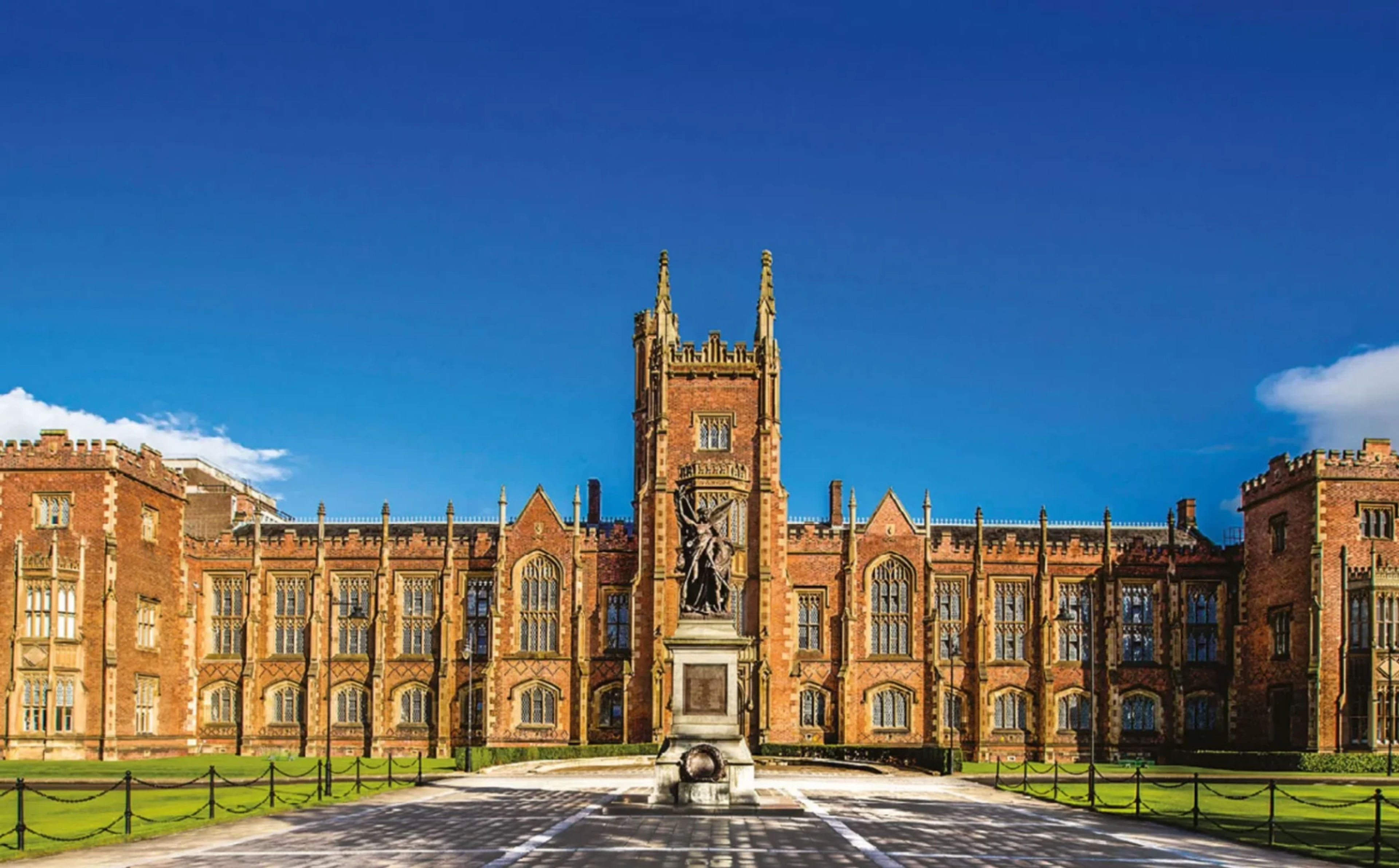
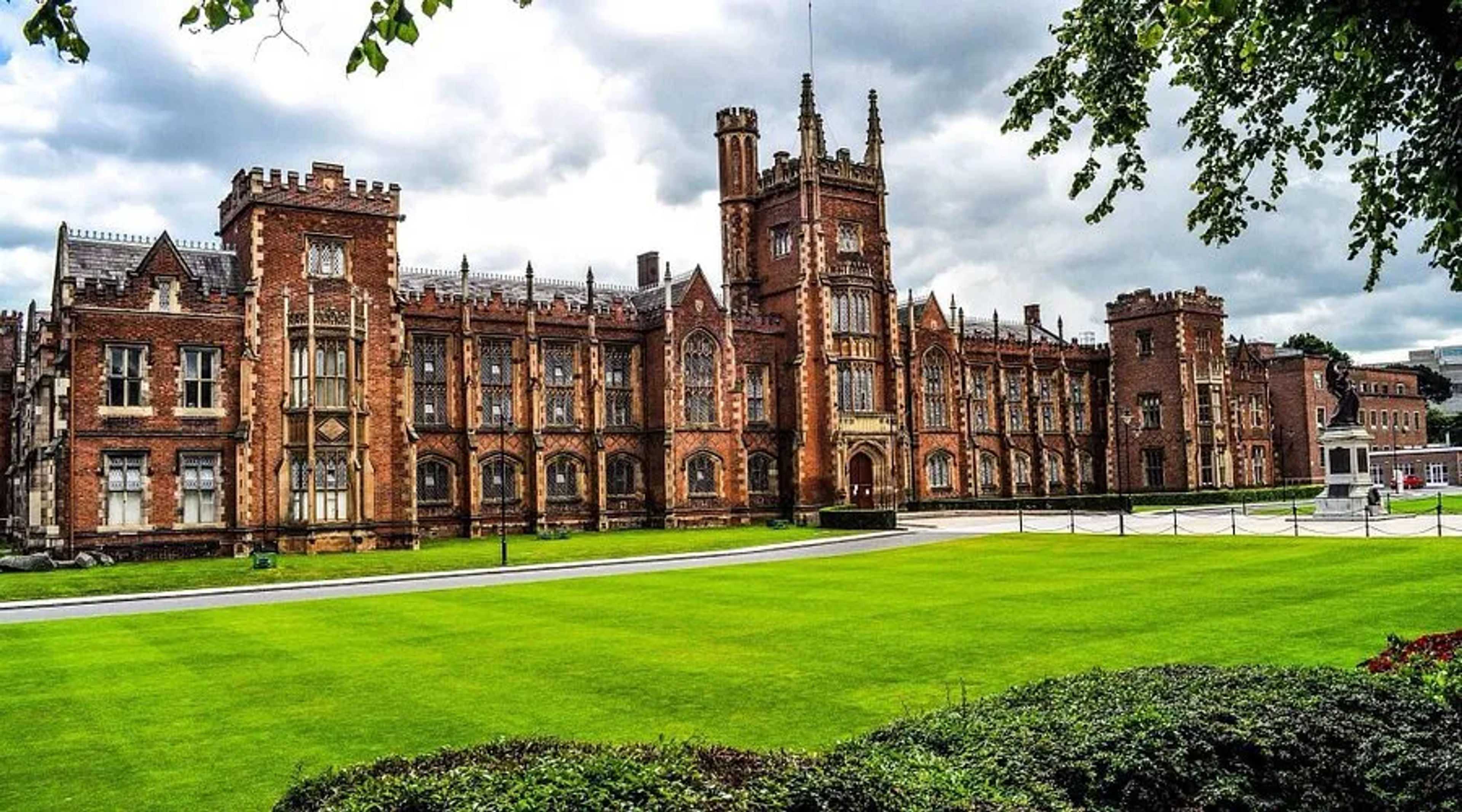
Queen`s University Belfast
Belfast, Northern Ireland, United Kingdom • PublicUSD 28,000
1st Year Tuition Fees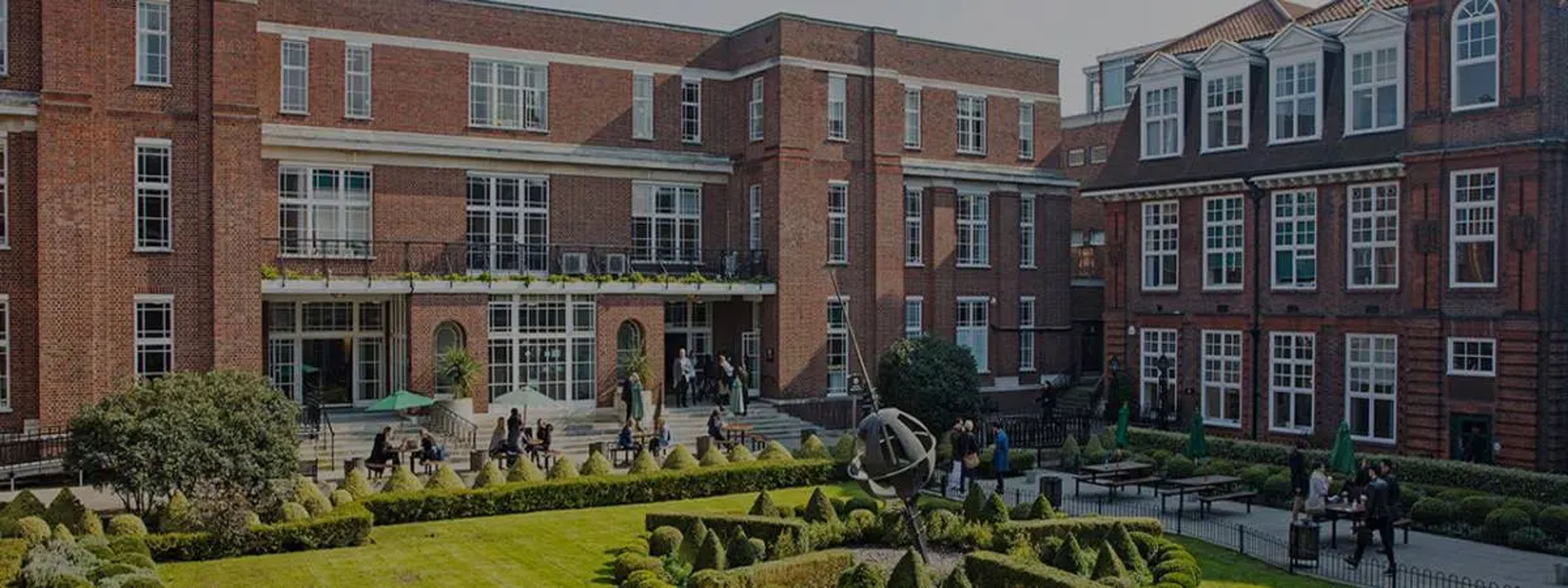
Regent College London
London, Greater London, United Kingdom • PrivateUSD 21,875
1st Year Tuition Fees
De Montfort University
London, Greater London, United Kingdom • PublicUnited Kingdom
Guides

University of Glasgow Scholarship 2026 for Indian Students: £15,000 Award, Eligibility & Dates

Nursing in UK 2026: Eligibility, Fees, Top Universities, Salary & Career Scope

MBBS in UK For Indian Students 2026: Universities, Admission Process, Fees, Scholarships & Career Scope

Indian Students Lead UK Study Visas in 2025, Overtake China in Sponsored & Graduate Route Numbers

Masters in Data Analytics in UK 2026: Top Universities, Fees, Eligibility & Careers

BSc Nursing in UK 2026: Fees, Top Colleges, Eligibility, Salary & Admission Process

MBA in UK 2026 for Indian Students: Top Universities, Fees, Eligibility & Jobs
What are the Entry Requirements to Study in UK?

King's College London Vice-Chancellor's Awards 2026: £5,000 Scholarships for Indian Postgraduate Students

Top Nursing Colleges in the UK 2026: Fees, Eligibility, Admission Process & Scholarships
United Kingdom
Cost of Studying in the UK
The study in UK fees for UG courses range between £11,400 - £38,000 and the same for the PG courses range between £17,000 - £22,000. The table below shows the fee structure of the different types of programs in the top colleges in the UK.
Course Type | Undergraduate | Postgraduate |
Classroom-based teaching courses | £11,000 - £26,000 | £13,000 |
Laboratory-based teaching courses | £14,000 | £15,000 |
Medical courses in UK | £20,000 - £58,600 | £13,000 - £20,000 |
MBA Courses in UK | NA | £16,000 - £21,000 |
What are the different components of the cost of studying in the UK?
The following are the various components of the cost of studying different courses in the UK.
1. Tuition Fees in UK
Tuition fees vary significantly by university tier (Russell Group vs. Modern Universities) and course type.
- Undergraduate (3 Years): Typically ranges from £12,000 to £20,000 (approx. ₹13 Lakh – ₹21 Lakh) per year. High-demand lab-based courses at elite institutions can go up to £35,000.
- Postgraduate (1 Year): Typically ranges from £14,000 to £25,000 (approx. ₹15 Lakh – ₹27 Lakh).
- MBA in UK: significantly higher, ranging from £25,000 to £45,000+.
2. Mandatory Government Fees (Upfront)
These are non-negotiable costs that must be paid before you arrive in the UK.
- Student Visa Application Fee: £524 (approx. ₹57,000). This fee increased in July 2025.
- Immigration Health Surcharge (IHS): £776 per year.
3. Living Expenses (Maintenance Funds)
To get your visa, you must prove you have a specific amount of money in your bank account. As of November 11, 2025, these requirements have increased.
Location | Requirement Per Month |
Inside London | £1,529 per month |
Outside London | £1,171 per month |
4. "Hidden" Initial Setup Costs
These are often overlooked but require immediate liquid cash upon arrival.
- Upfront Rent
- Initial Setup
- Flights
What is the estimated first-year budget to pursue masters in the UK outside London?
The following is the estimated budget for a student who wishes to pursue masters outside London in the UK.
Cost Components | Expenses |
Tuition fees | ₹18,00,000 (Average) |
Visa & IHS | ₹1,82,000 |
Living Costs | ₹11,30,000 |
Flights & Setup | ₹1,00,000 |
Total | Appx. ₹32 Lakhs |
United Kingdom
Cost of Living UK
The following table shows the cost of living in the UK for international students.
Expense Category | London (Monthly) | Rest of UK (Monthly) | Notes & Tips |
Rent (Accommodation) | £800 – £1,500+ | £500 – £900 | Biggest expense. University halls are often cheaper than private flats. |
Groceries & Food | £200 – £350 | £150 – £250 | Cooking at home saves 50% vs. eating out. Shop at Aldi/Lidl. |
Transport | £100 – £180 | £50 – £90 | The London Tube is pricey. Use a 16-25 Railcard for 1/3 off trains. |
Utilities (Gas/Elec/Net) | £60 – £100 | £50 – £80 | Often included in university hall rent, but extra for private flats. |
Mobile Phone | £10 – £30 | £10 – £30 | SIM-only deals (e.g., Voxi, GiffGaff) are cheapest. |
Personal & Leisure | £150 – £300 | £100 – £200 | Includes toiletries, social outings, gym, and occasional shopping. |
Study Materials | £20 – £40 | £20 – £40 | Use library books and second-hand textbooks to save. |
Total Estimated | £1,340 – £2,500 | £880 – £1,590 | Does not include tuition fees. |
United Kingdom
Study in UK Scholarships for Indian Students
To mitigate the cost of studying in the UK various scholarships are available for the international students. These scholarships are mostly funded by the UK government, external organisations, and individual universities. The table below shows the top study in UK scholarships for international students.
Scholarship Name | Details |
Chevening Scholarships |
|
Commonwealth Scholarships |
|
GREAT Scholarships |
|
Gates Cambridge Scholarships |
|
Rhodes Scholarships |
|
Is there any education loan to study in the UK?
Yes, as study abroad options are slightly expensive. Many students look for adaptable study abroad education loans to cover their expenses. Various financial institutions in India, such as the State Bank of India, Syndicate Bank, Bank of Baroda, etc., have various schemes for study abroad loans. If the students receive an offer letter from top universities in the UK, the loan process is usually quick and easy.
Can I work part-time in the UK to cover my study expenses?
Yes, students can work part-time to cover their expenses to an extent. The following are the allotted working hours for students enrolled in full-time or part-time courses in the UK.
Term Time | Accepted Working Hours |
Degree level or higher | Up to 20 Hours per week. |
Below degree level | Up to 10 hours per week. |
Note: On official holidays and vaccinations students can even work full-time in the UK.
Also Check:
Popular Destination to Study Abroad | |
Study in UK: FAQs
Ques: What are the latest changes to the UK Graduate Route visa?
Ans: The UK government has confirmed that the Graduate Route (Post-study Work) visa duration will reduce from 2 years to 18 months. This change applies specifically to students commencing courses that finish after January 1, 2027.
Ques: How much does it cost to study in the UK?
Ans: Tuition fees for Undergraduate courses range from £11,400 to £38,000, while Postgraduate courses generally cost between £17,000 and £22,000. MBA programs are higher, ranging from £25,000 to £45,000+. The estimated cost of living is between £14,000 and £22,000 per year.
Ques: What are the financial requirements for a UK Student Visa?
Ans: Applicants must pay a £524 visa fee and a yearly £776 Immigration Health Surcharge. Additionally, as of November 11, 2025, students must show maintenance funds of £1,529 per month for living inside London or £1,171 per month for outside London.
Ques: Can international students work while studying in the UK?
Ans: Yes, international students are permitted to work part-time for up to 20 hours per week during their studies. Following graduation, the Graduate Route visa currently allows eligible students to stay and work in the UK for up to two years (or three for PhDs).
Ques: How long are degree programs in the UK?
Ans: Most Undergraduate degrees in England, Wales, and Northern Ireland take 3 years (4 years in Scotland). Master’s degrees are intensive 1-year programs. Many universities also offer "Sandwich Courses" which extend a degree by one year to include a full-time industry placement.
Ques: What are the main admission intakes for UK universities?
Ans: There are three primary intakes: Fall (September), Winter (January), and Summer (May). September is the key intake for top universities. Students should typically begin shortlisting courses in July-August and submit applications between October and December for the following year.
Ques: What exams are required to study in the UK?
Ans: Standard requirements include English proficiency tests like IELTS, TOEFL, or PTE. Depending on the specific course, students may also need scores from the GRE, GMAT, LNAT (Law), or UCAT/BMAT (Medical). Always check the specific requirements of your chosen university.
Ques: Which scholarships are available for international students?
Ans: Top scholarships include the fully funded Chevening and Commonwealth Scholarships. Other significant options are the GREAT Scholarships (offering a minimum of £10,000), the Gates Cambridge Scholarships, and the Charles Wallace India Trust Scholarships.
Ques: What is the acceptance rate for top UK universities?
Ans: Acceptance rates vary significantly. Elite institutions like LSE (6.5%), Imperial College London (11-18%), and Oxford (14-17%) are highly competitive. However, universities like University of Bristol (67%) and Arden University (64%) have higher acceptance rates for international applicants.
Ques: Why has there been a decline in Indian student visas recently?
Ans: There has been a 42% decline in study visa grants to Indian nationals over the last couple of years. This drop is largely driven by the recent ban on dependents for students pursuing taught master’s degrees.