



Master in Medical Laboratory Technology (MMLT) Course: Top Colleges, Eligibility, Fees & Career Scope
Master in Medical Laboratory Technology [MMLT]
MMLT Course Overview
Master'sMaster's in Medical Laboratory Technology (MMLT) is a 2-year postgraduate course that trains students in advanced lab techniques used in diagnosing and treating diseases. MMLT is meant for those who have completed a B.Sc. in Medical Laboratory Technology or a similar degree. The course covers subjects like clinical biochemistry, microbiology, haematology, cytology, and molecular diagnostics. It also includes practical lab work and research, preparing students for senior roles in hospitals, diagnostic labs, research centres, and healthcare companies.
In India, several reputed institutions offer the MMLT course, including Jamia Hamdard (New Delhi) with 30 seats, Manipal Academy of Higher Education (MAHE) with 40 seats, JSS Academy of Higher Education & Research (Mysuru) with 25 seats, SRM Institute of Science and Technology (Chennai) with 30 seats, and Amity University with 20–60 seats depending on campus.
Check Out: CUET PG 2025: Exam Dates, Syllabus, Eligibility | NEET PG | Amity University
MMLT Course: Quick Highlights 2025
The quick highlights of the MMLT course 2025 are mentioned below:
Particulars | Details |
Full Form of Course | Master's in Medical Laboratory Technology (MMLT) |
Course Level | Postgraduate |
Course Duration | 2 Years |
Course Type | Semester-based Full-time Course |
Application Mode | Online / Offline (depends on the institute) |
Entrance Test | Varies by institute (e.g., CUET PG, NEET PG, institute-level exams) |
Fees | ₹50,000 – ₹2,50,000 (for the full course, depending on the college) |
Top Colleges |
|
Top Specialisations After the Course |
|
Top Recruiters |
|
MMLT Important Dates and Events 2026
Students planning to join the MMLT course should keep track of key dates like application start and end dates, entrance exam (if any), merit list, counselling, and final admission deadlines. Missing any of these may affect the admission process. The important dates and events for the MMLT course are listed below.
CUET 2026 Exam Schedule – Important Dates
Upcoming Events | Tentative Dates |
CUET PG 2026 Notification | First Week of December 2025 |
CUET PG 2026 Application Form Starts | First Week of January 2026 |
CUET PG 2026 Application Correction Window | Second Week of February 2026 |
CUET PG 2026 Exam Date Sheet Release | Fourth Week of February 2026 |
CUET PG 2026 Exam Dates | Second Week of March – First Week of April 2026 |
CUET PG 2026 City Intimation Slip | First Week of March 2026 |
CUET PG 2026 Admit Card | First Week of March 2026 |
CUET PG 2026 Provisional Answer Key | First Week of April 2026 |
CUET PG 2026 Final Answer Key | Second Week of April 2026 |
CUET PG 2026 Result | Second Week of April 2026 |
NEST 2026 Exam Schedule – Important Dates
Upcoming Events | Dates 2026 |
Online Application Opens | 3rd Week of February 2026 |
Online Application Closes | 2nd Week of May 2026 |
Application Correction Window | 2nd Week of May 2026 |
Mock Test Availability | 3rd Week of May 2026 |
Admit Card Download | 1st Week of June 2026 |
Date of Examination | 4th Week of June 2026 |
Announcement of Result | June / July 2026 |
IIT JAM 2026 Exam Dates – Full Schedule
Upcoming Events | Dates |
IIT JAM 2026 Notification | 2nd Week of September 2025 |
Online Application Begins | 2nd Week of September 2025 |
Admit Card Release | Last Week of January 2026 |
Exam Date | 1st February 2026 (Expected) |
Answer Key Release | Last Week of February 2026 |
Result Declaration | Last Week of March 2026 |
FAQs
Ques 1. When will CUET PG 2026 results be announced for MMLT admission?
Ans 1. As per the tentative schedule, the CUET PG 2026 results for Master's in Medical Laboratory Technology (MMLT) are expected to be released by the second week of April 2026.
Ques 2. Which entrance exam is required for admission to MMLT in Central Universities?
Ans 2. The CUET PG is the primary entrance exam for securing admission to MMLT courses offered by Central Universities.
Why Choose the MMLT Course?
The MMLT course helps students gain advanced skills in lab testing, diagnosis, and lab management. It prepares them for senior roles in hospitals, labs, research centres, and healthcare companies. It also opens paths for teaching and further studies. Below are the main reasons to choose this course.
- High Demand in Healthcare: MMLT graduates are in demand as medical lab technologists, especially with the growing number of hospitals, pathology labs, and diagnostic centres.
- Wide Job Options: MMLT offers job opportunities in areas like microbiology, immunology, biochemistry, haematology, and molecular diagnostics, in both clinical and research settings.
- Job Security: Lab professionals are always needed in healthcare, even during pandemics or slowdowns, making it a stable career choice.
- Research Opportunities: Apart from hospital jobs, MMLT graduates can work in research and development in pharmaceutical companies, biotech labs, and government institutes.
- Salary Range: Starting salaries for MMLT graduates range from ₹3 to ₹6 LPA, with higher pay in specialised roles or private diagnostic labs.
- Further Studies & Abroad Options: MMLT provides a base for Ph.D., fellowships, and international certifications. Indian MMLT degrees are recognised in many countries.
FAQs
Ques 1. How does MMLT help with career growth in the medical diagnostics field?
Ans 1. An MMLT program will provide you with specialised lab skills and management training so that you may qualify for senior-level diagnostics, research, and lab operations.
Ques 2. Can MMLT lead to foreign-level job opportunities?
Ans 2. Yes, more so if you take up a global certification like ASCP or HCPC. MMLT opens job avenues in labs abroad, especially in the USA, UK, Canada, and Australia.
MMLT Course Duration
The MMLT is a 2-year full-time postgraduate course divided into four semesters. It includes both theoretical learning and hands-on training in areas like clinical biochemistry, microbiology, haematology, and pathology. The course is designed to prepare students for advanced roles in medical laboratories. The course duration and structure are explained below.
Component | Details |
Total Duration | 2 Years |
Course Structure | Divided into 4 semesters (6 months each) |
Academic Year Format | Semester-based (theory + practical + internship) |
Internship/Project | Mandatory in most institutes, part of the final year |
Total Academic Hours | 2,000 – 2,400 hours including lab sessions |
FAQs
Ques 1. Is an internship required in the MMLT program?
Ans 1. Yes, most institutes include a mandatory internship or lab project in the final semester to give students practical lab experience.
Ques 2. What is the total academic workload in the MMLT course?
Ans 2. The MMLT program typically includes around 2,000 to 2,400 hours of classroom lectures and laboratory sessions, in addition to project work.
Master in Medical Laboratory Technology [MMLT]
MMLT Course Syllabus
The syllabus for MMLT course is designed to impart knowledge of laboratory science and diagnostic techniques at an advanced level. The syllabus includes clinical subjects like biochemistry, microbiology, haematology, pathology, and research methodology, along with practical laboratory work. Development of theoretical knowledge along with practical skills is the real aim of this course. The syllabus is detailed as follows.
Semester-wise Subject Distribution
Semester | Subjects |
Semester 1 | - Blood Banking and Immunopathology - Analytical and Physical Biochemistry - Advanced Microbiology - Endocrinology, Metabolic and Nutritional Biochemistry |
Semester 2 | - Lab Management and Techniques (LMT) - Molecular Biology - Advanced Hematology & Immuno-Hematology - Systematic Bacteriology & Diagnostic Microbiology |
Semester 3 | - Medical Parasitology, Mycology & Virology - Clinical Biochemistry - Clinical Pathology and Cytogenetics - Histopathology and Cytopathology |
Semester 4 | - Biostatistics and Epidemiology - Systematic Bacteriology & Diagnostic Microbiology (P) - Dissertation & Final Practical Work |
List of Core and Practical Subjects (Combined)
Theory Subjects | Practical Subjects (P) |
Endocrinology, Metabolic & Nutritional Biochemistry | Analytical and Physical Biochemistry (P) |
Advanced Microbiology | Advanced Microbiology (P) |
Clinical Biochemistry | Clinical Biochemistry (P) |
Analytical and Physical Biochemistry | Blood Banking & Immunopathology (P) |
Blood Banking & Immunopathology | Clinical Pathology & Cytogenetics (P) |
Clinical Pathology & Cytogenetics | Systematic Bacteriology & Diagnostic Microbiology (P) |
Histopathology & Cytopathology | |
Immunology & Molecular Biology | |
Systematic Bacteriology & Diagnostic Microbiology | |
Medical Parasitology, Mycology & Virology | |
Lab Management & Techniques | |
Biostatistics and Epidemiology | |
Dissertation (Final Semester) |
FAQs
Ques 1. Which subjects in the MMLT syllabus involve the most practical work?
Ans 1. Subjects such as Clinical Biochemistry, Blood Banking, and Diagnostic Microbiology are highly practical-oriented, involving extensive hands-on lab sessions.
Ques 2. Is there a research component in the MMLT program?
Ans 2. Yes, MMLT includes a research component where students must complete a dissertation or project in the final semester, involving original lab work or case analysis.
Medical Laboratory Technology
Master in Medical Laboratory Technology [MMLT]
MMLT Course Exams
Some universities and institutes hold entrance exams for MMLT admission, focusing on subjects like biology, chemistry, and lab techniques. While a few colleges admit students based on merit, many reputed ones prefer selecting candidates through these tests. Below are some important entrance exams for MMLT admission.
Entrance Exam | Level | Conducting Body | Purpose |
CUET PG | National Level | NTA | Admission to PG courses in Central Universities |
AUCET | State Level (AP) | Andhra University | Admission to PG programs at Andhra University |
NEST | National Level | NISER & UM-DAE CBS | For science PG courses, including lab-based PG |
IIT JAM | National Level | IITs | Admission to M.Sc. at IITs/IISc |
DUET | University Level | Delhi University/NTA | Admission to PG courses at Delhi University |
TISS NET | National Level | TISS | For various M.A./M.Sc. programs |
GAHET | University Level | Galgotias University | For Allied Health PG admissions, including MMLT |
FAQs
Ques 1. What subjects are covered in MMLT entrance examinations?
Ans 1. MMLT entrance exams typically include topics from Biology, Chemistry, Microbiology, and diagnostic lab techniques.
Ques 2. Is IIT JAM accepted for MMLT admissions?
Ans 2. Yes, some institutions consider IIT JAM scores for admission to postgraduate programs in allied health sciences, including Medical Lab Technology.

We couldn't find any exam for this course!
Master in Medical Laboratory Technology [MMLT]
Top Universities/Colleges for MMLT Course in India
Many well-known colleges and universities in India and abroad offer the MMLT course. These institutions provide modern lab facilities, experienced faculty, and strong placement support. Choosing the right college can help students gain a quality education and hands-on training in diagnostics and research. Some of the top colleges are listed below:
Top Government Colleges for MSc Medical Laboratory Technology
Institute Name | Fees (₹) |
NA | |
NA | |
₹67,000 per year | |
₹57,600 per year | |
₹20,000 per semester | |
₹46,000 per semester | |
NIMS University, Distance Education | ₹30,000 per year |
Aligarh Institute of Para-Medical Sciences | NA |
Top Private Colleges for MSc Medical Laboratory Technology
Institute Name | Fees (₹) |
₹ 2,36,000 | |
₹ 1,50,000 | |
₹ 2,00,000 | |
₹ 50000 | |
₹1,36,000 | |
₹ 2,13,000 | |
₹ 1,20,000 | |
₹ 2,20,000 |
FAQs
Ques 1. Are private universities better than government ones for MMLT?
Ans 1. Both have advantages and limitations. Government colleges are generally more affordable, while private universities may offer better infrastructure, modern labs, and wider exposure.
Ques 2. Which private university offers one of the most affordable MMLT programs?
Ans 2. MGMCRI, Pondicherry, is among the most affordable private institutions for MMLT, with a course fee of around ₹50,000.
MMLT Course: Abroad vs India
The MMLT course differs in India and abroad in terms of fees, curriculum, infrastructure, and recognition. Indian colleges are usually more affordable and offer good faculty support. In contrast, studying abroad may provide advanced diagnostic training and better research exposure. However, overseas education can be expensive and may require clearing additional licensing exams to practice in India. Key differences are listed in the table below:
Parameter | India | Abroad (USA/UK/Canada/Australia) |
Course Name | Master in Medical Laboratory Technology (MMLT) | MS in Clinical Laboratory Science / MSc in Medical Lab Technology / Biomedical Science |
Course Duration | 2 Years (4 Semesters) | 1–2 Years (Full-time) |
Eligibility | B.Sc. MLT / BMLT / Life Sciences with 50–55% | 4-year Bachelor's degree in relevant field + IELTS/TOEFL/GRE (as required) |
Tuition Fees (Total) | ₹50,000 – ₹4,00,000 | ₹15,00,000 – ₹40,00,000 (INR equivalent, varies by country & university) |
Living Costs (per year) | ₹1 – ₹2 Lakhs (if hostel/private stay) | ₹10 – ₹20 Lakhs depending on country (USA/UK higher, Germany lower) |
Popular Universities | AIIMS, JIPMER, Manipal, Amity, CMC Vellore, DIMS | University of Leeds, University of Alberta, University of Sydney, Rutgers, etc. |
Curriculum Focus | Clinical diagnostics, pathology, microbiology, and lab management | Advanced research, diagnostic science, automation, quality assurance |
Internship / Clinical Exposure | Included in 3rd or 4th semester | Mandatory hospital/lab training in most programs |
Job Opportunities | Hospitals, Diagnostic Labs, Blood Banks, Public Health Labs | Clinical Labs, R&D, Regulatory Labs, Healthcare Startups, Pharma |
Starting Salary | ₹3 – ₹6 LPA | ₹30 – ₹60 LPA (in local currency: USD/GBP/AUD/CAD) |
Work Abroad After Study | Limited (need further licensing/certification like ASCP) | Direct work options through PGWP (Canada), OPT (USA), or post-study visa pathways |
Certification Needed | No national license is required (India) | Yes — often requires ASCP (USA), HCPC (UK), CSMLS (Canada), AIMS (Australia) |
PR & Residency Pathway | Not applicable through MMLT | MMLT can contribute to PR points in Canada, Australia, etc. |
Recognition Globally | Limited outside India unless followed by a global certification | Globally recognised if completed from an accredited institution |
FAQs
Ques 1. Is an MMLT degree awarded by India valid for countries like the U.K. and Canada?
Ans 1. Yes, but you will have to clear local licensing exams for the HCPC (UK) or CSMLS (Canada) to practice professionally.
Ques 2. What is the biggest advantage of doing MMLT in a foreign country?
Ans 2. There, you get to work with high-end diagnostic tools, R&D opportunities, and internationally accepted training, which prepares you better for job opportunities worldwide.
Top Colleges




Chaiduar College, Sonitpur, Assam
Sonitpur, AssamINR 2,00,000
Average Package![Uttar Pradesh University of Medical Sciences - [UPUMS] ,Etawah ,Uttar Pradesh](https://ik.imagekit.io/syustaging/SYU_PREPROD/Uttar-Pradesh-University-of-Medical-Sciences---_UPUMS_-_Etawah-_Uttar-Pradesh_ZQ7QcPJdz.webp?tr=w-3840 "Uttar Pradesh University of Medical Sciences - [UPUMS] ,Etawah ,Uttar Pradesh")
![Uttar Pradesh University of Medical Sciences - [UPUMS] ,Etawah ,Uttar Pradesh](https://ik.imagekit.io/syustaging/SYU_PREPROD/Uttar-Pradesh-University-of-Medical-Sciences---_UPUMS_-_Etawah-_Uttar-Pradesh_LVANBKZIFd.webp?tr=w-3840 "Uttar Pradesh University of Medical Sciences - [UPUMS] ,Etawah ,Uttar Pradesh")
Uttar Pradesh University of Medical Sciences - [UPUMS], Etawah, Uttar Pradesh
Etawah, Uttar PradeshINR 2,00,000
Average Package
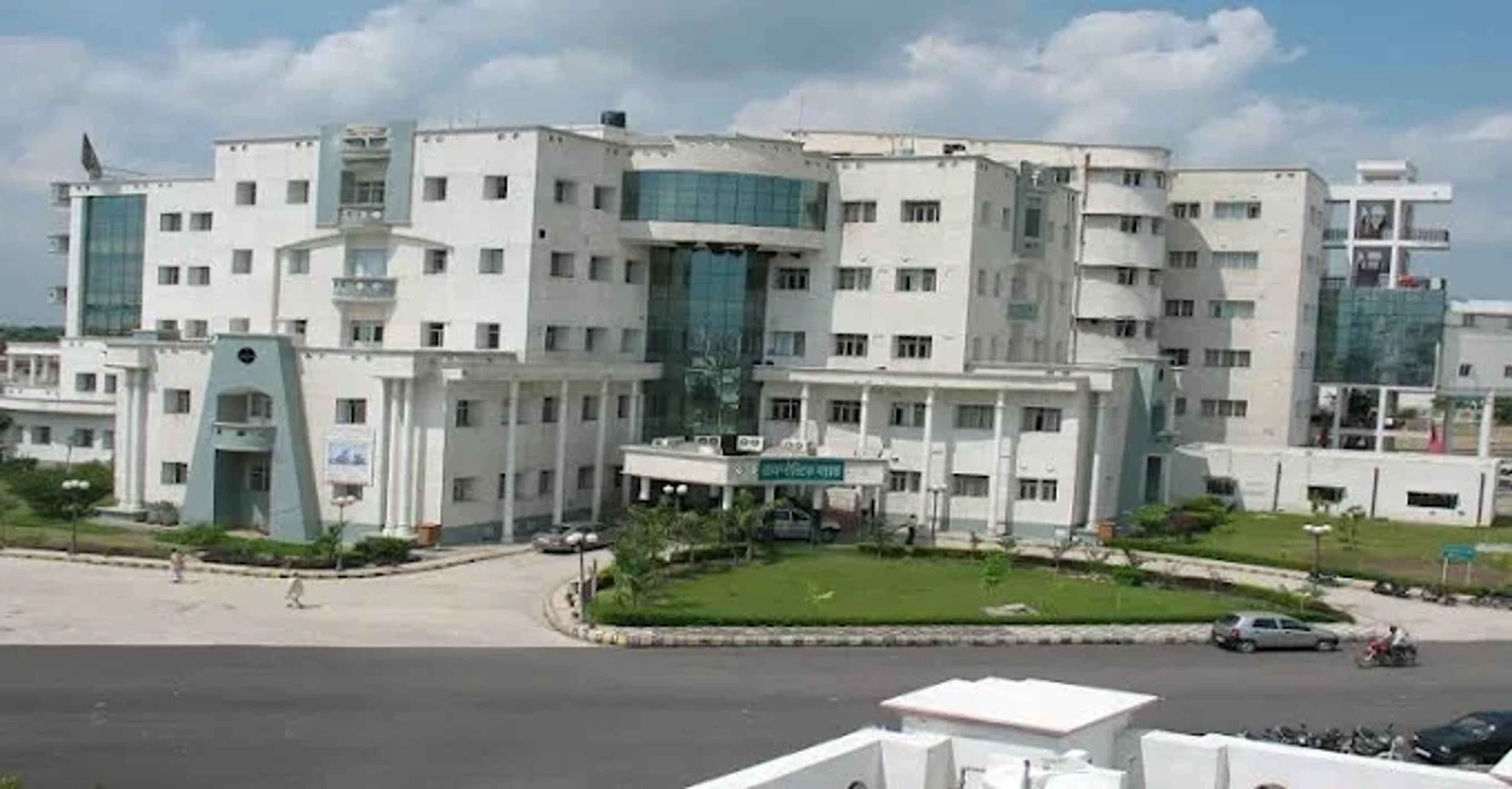

UP Rural Institute of Medical Sciences & Research, Etawah, Uttar Pradesh
Etawah, Uttar PradeshINR 2,40,000
Average Package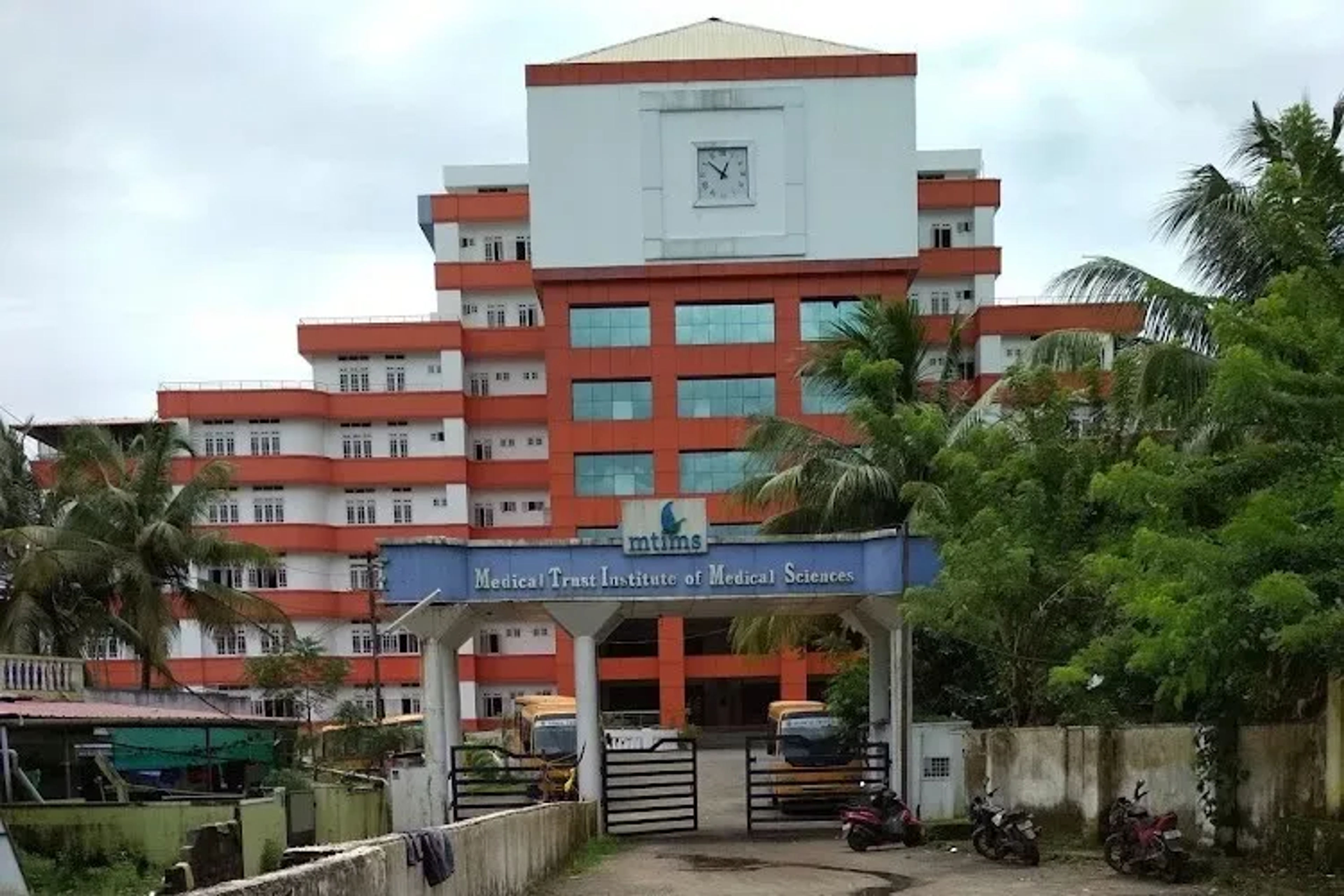
INR 5,00,000
Average Package
A.D.N. Institute Of Paramedical Sciences & Hospitals, Nagpur, Maharashtra
Nagpur, MaharashtraINR 3,50,000
Average Package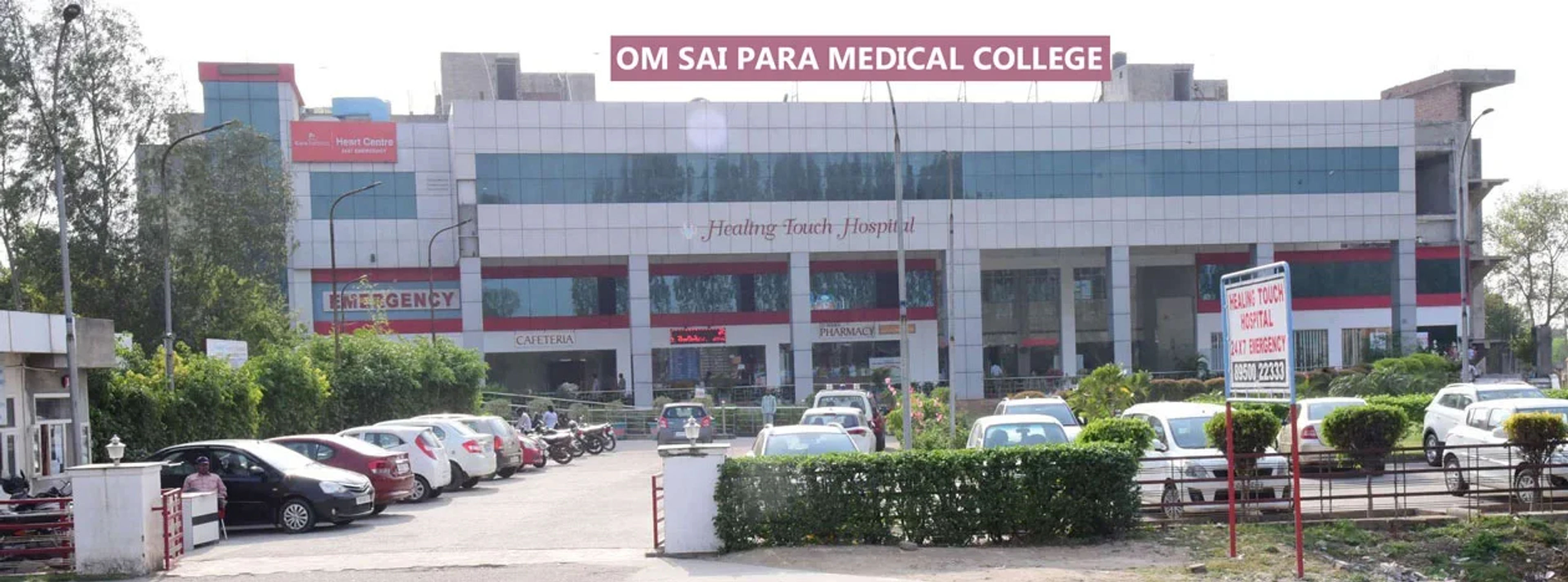
Om Sai Para Medical College - [OSPMC], Ambala, Haryana
Ambala, HaryanaINR 5,00,000
Average Package
Aligarh Institute of ParaMedical Sciences, Aligarh, Uttar Pradesh
Aligarh, Uttar PradeshINR 2,50,000
Average Package
INR 2,00,000
Average Package
Vivek Institute of Laboratory Medicine, Kanyakumari, Tamil Nadu
Kanyakumari, Tamil NaduINR 2,50,000
Average Package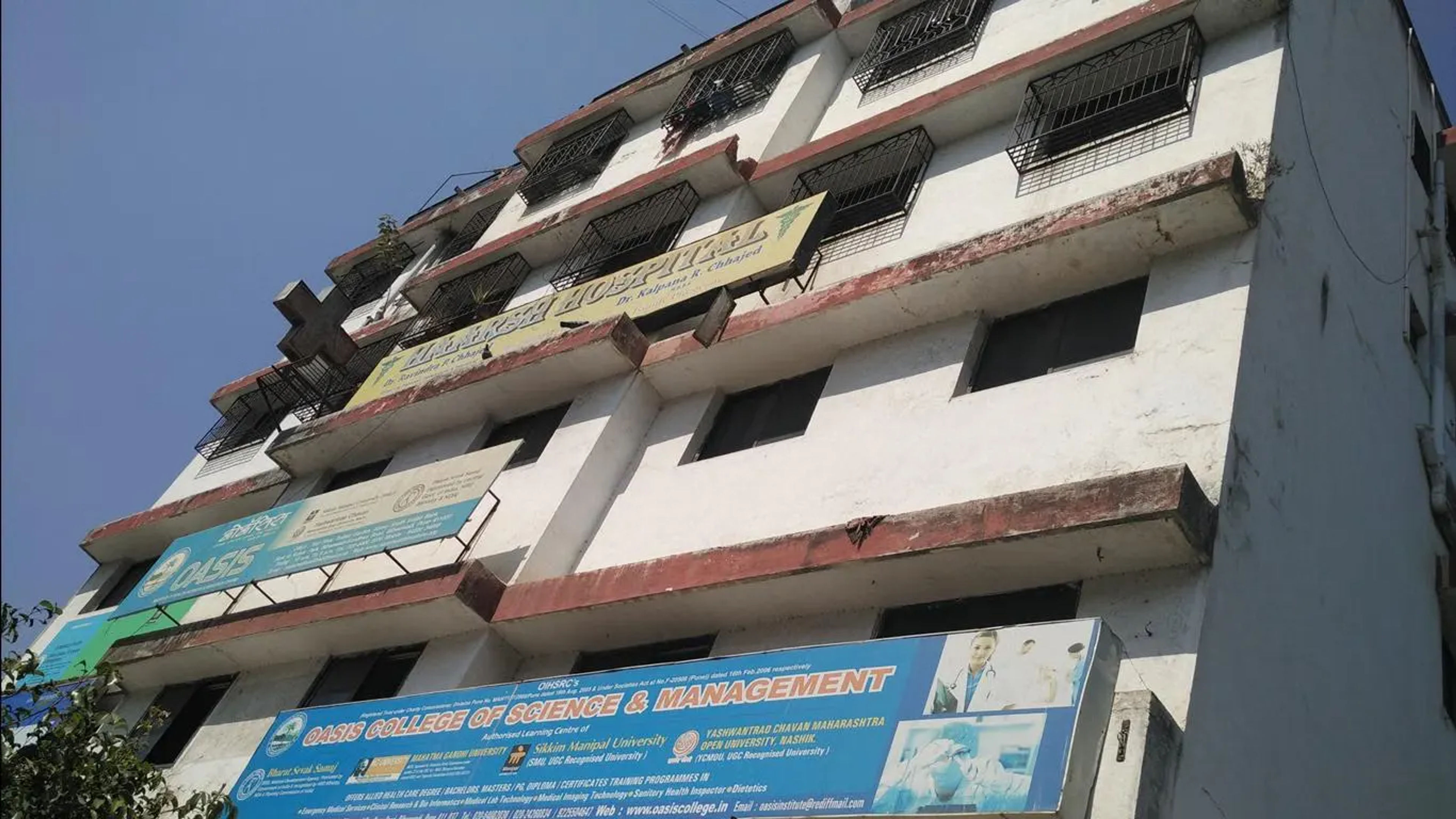
![Oasis College of Science and Management - [OCSM], Pune, Maharashtra](https://ik.imagekit.io/syustaging/SYU_PREPROD/Oasis-College-of-Science-and-Management---_OCSM__-Pune_-Maharashtra_F-TInNMjl5.webp?tr=w-3840 "Oasis College of Science and Management - [OCSM], Pune, Maharashtra")
Oasis College of Science and Management - [OCSM], Pune, Maharashtra
Pune, MaharashtraINR 2,00,000
Average PackageMaster in Medical Laboratory Technology [MMLT]
MMLT Course Eligibility
To be eligible for the MMLT course, candidates must have a B.Sc. in Medical Laboratory Technology or an equivalent degree from a recognised university. Some universities may offer relaxation in marks or age for SC, ST, OBC, or other reserved categories as per government rules. The category-wise eligibility details are given below.
Eligibility Component | Details |
Educational Qualification | Bachelor’s degree in Medical Lab Technology / Life Sciences / Allied Health from a recognized university |
Minimum Marks (General) | 50% – 55% aggregate in undergraduate degree |
Reserved Category Relaxation | 5% – 10% relaxation for SC/ST/OBC/differently abled candidates |
Sports Quota Relaxation | Some colleges offer mark relaxation for students under the sports quota |
Entrance Exam Requirement | Required in some institutes (e.g., CUET PG, NEET PG, or university-specific exams) |
Applicable Streams for UG | B.Sc. MLT, BMLT, Microbiology, Biochemistry, Biotechnology, or other related allied fields |
Statement of Purpose (SOP) | Required by some universities as part of the application process |
Letter of Recommendation (LOR) | Usually, 1–2 letters are required from academic/professional referees |
Additional Documents | Academic transcripts, category certificate (if applicable), entrance scorecard, photo ID |
Admission Mode | Merit-based / Entrance-based, depending on the institution |
FAQs
Ques 1. Is there any relaxation in MMLT admission for students under the sports quota?
Ans 1. Yes, certain colleges offer mark relaxation for sports quota candidates, based on their internal policies and seat availability.
Ques 2. Can a candidate with 45% in B.Sc. MLT apply for MMLT?
Ans 2. Most colleges require a minimum of 50–55% aggregate marks. However, SC/ST/OBC candidates may get a relaxation of 5–10% as per institutional norms.
Master in Medical Laboratory Technology [MMLT]
MMLT Course Admissions
For admission to the MMLT course, some institutes conduct entrance exams, while others offer admission based on marks in BMLT or B.Sc MLT. Candidates must apply with the required qualifications. After selection, the admission process usually includes counselling, document verification, and fee payment. The step-by-step admission process is given below.
Admission Status
- Admissions open at IMTS Institute for the 2025–26 session.
- Apply via imtsinstitute.com or through WhatsApp.
Minimum Qualification
- A Bachelor’s degree in Medical Lab Technology (any discipline) from a recognised university.
- Minimum required marks: 50–55%.
Note on Eligibility
- Correction: 12th pass is not sufficient for MMLT. A relevant graduate degree is mandatory.
Entrance Exam
- Required in many institutes: CUET PG, NEET PG, or institute-specific tests.
- Some colleges offer admission based on UG merit.
Merit-Based Admission
- Based on academic records, projects, work experience, and achievements.
Selection Rounds (if applicable)
- May include:
- Group Discussion (GD)
- Written Test
- Personal Interview (PI)
Key Documents Required
- 10th, 12th, and UG mark sheets
- Aadhaar card
- Transfer Certificate
- Passport-sized photo
- Letters of Recommendation (LORs)
- Statement of Purpose (SOP)
- CV/Resume
How to Apply
- Visit the university’s website, register using email/phone.
- Fill in academic and personal details, upload documents, and submit the form.
Admission Timeline
- Usually begins in May and closes by June/July.
- Always check for institute-specific deadlines.
Interview Round
- Conducted in-person, online, or in hybrid mode depending on the institute.
Offer & Enrollment
- Shortlisted candidates receive admission offers.
- Admission is finalised after fee payment and document verification.
Financial Aid
- Scholarships, grants, and loans are available in select institutions.
- A separate application may be required.
Orientation & Class Start
- Orientation takes place before the start of classes.
- Classes begin in July–August 2025 as per the university calendar.
FAQs
Ques 1. Does each college have an entrance exam for MMLT?
Ans 1. Not necessarily. Some universities conduct entrance exams; others offer admissions based on merit through the Marks of the B.Sc.
Ques 2. Which documents are mandatory during admission for MMLT?
Ans 2. Academic transcripts, SOP, LORs, ID proof, photo, and entrance scorecard, if applicable, will be required.
Some universities conduct entrance exams; others offer admissions based on merit through the Marks of the B.Sc.
Master in Medical Laboratory Technology [MMLT]
MMLT Fees
The fee structure for MMLT varies with the pattern of the college. Government and public universities usually charge ₹30,000 to ₹1,00,000 per year for the MMLT course. Private and deemed universities may charge between ₹1,00,000 and ₹3,00,000 per year. This typically covers tuition, lab use, and academic costs. A detailed fee breakdown is given below.
Type | Fee Range (Total 2 Years) | Typical Features |
Government | ₹10,000 – ₹1,00,000 | Very affordable, entrance-based, limited intake |
Private | ₹90,000 – ₹4,00,000+ | Varies widely; some offer scholarships |
Deemed | ₹2,50,000 – ₹5,00,000+ | Higher fees, top facilities, brand reputation |
FAQs
Ques 1. Are government colleges cheaper for MMLT compared to private ones?
Ans 1. Yes, government colleges usually charge from ₹10,000 to ₹1,00,000 for the entire course, making them far cheaper.
Ques 2. Do private colleges provide scholarships for MMLT students?
Ans 2. Certain private and deemed universities provide merit-based scholarships or financial aid schemes; however, one should check with individual institutes for availability.
Master in Medical Laboratory Technology [MMLT]
MMLT Course Placements
Top Recruiters/Placement Companies
MMLT graduates are employed by top diagnostic labs, hospitals, research centres, and biotech companies. Both the government and private sectors recruit them for roles in lab operations, pathology, and clinical testing. Some of the top recruiters of MMLT courses are listed below.
- Hospitals
- Clinics
- Nursing Homes
- Public health facilities
- Research establishments
- Clinical laboratories
FAQs
Ques 1. What types of organisations commonly hire MMLT graduates?
Ans 1. MMLT graduates are mainly employed by hospitals, diagnostic labs, pathology labs, clinical and research laboratories, and public health institutions involved in lab testing and diagnostics.
Ques 2. Are there government job opportunities for MMLT graduates?
Ans 2. Yes, MMLT graduates can find opportunities in government hospitals, public health labs, research institutes, and forensic departments, often through entrance exams or direct recruitment.
MMLT Course Salary Package
The salary after completing an MMLT varies based on the job role, experience, employer, and location. Freshers usually earn between ₹3,50,000 and ₹6,00,000 yearly, while professionals with experience or working in specialised labs can earn higher. Below is a section highlighting average salaries for common job roles in this field.
Job Roles | Average Annual Salary |
Lab Technician | ₹2,60,000 |
Health and Safety Officer | ₹4,10,000 |
Research Scientist | ₹8,60,000 |
Biochemist | ₹2,30,000 |
Healthcare Administrator | ₹4,00,000 |
FAQs
Ques 1. What is the period of the MMLT course?
Ans 1. The MMLT course is of 2 years duration, divided into 4 semesters and combines theoretical teachings with practical lab hours in pathology, microbiology, and clinical biochemistry.
Ques 2. Who is eligible for an MMLT program?
Ans 2. The candidate must have passed B.Sc. in Medical Laboratory Technology (BMLT) or any related field like Microbiology or Biochemistry with at least 50% marks from any recognised university. The candidate must have passed B.Sc. in Medical Laboratory Technology (BMLT) or any related field like Microbiology or Biochemistry with at least 50% marks from any recognised university.
Ques 3. What are the options for employment after MMLT?
Ans 3. Depending upon their skill levels, MMLT graduates can opt to work in hospitals, diagnostic labs, research centres, hospitals, or pharmaceutical companies in the capacity of lab technologists, pathology supervisors, or clinical biochemists.
Ques 4. What can be the average remuneration after MMLT?
Ans 4. The starting salary is from ₹3,00,000 to ₹5,00,000 Per Annum, which can go up with experience or specialisation in advanced techniques of diagnosis.
Ques 5. Can I pursue further studies after MMLT?
Ans 5. Yes, one can go for a Ph.D., an MBA in Healthcare, or short-term courses in Clinical Research/Molecular Diagnostics or related fields.
Scope/Career Options
After completing the MMLT course, graduates can find job opportunities in hospitals, diagnostic labs, research centres, and healthcare companies. Common roles include senior lab technologist, lab manager, clinical research associate, quality control officer, and teaching positions in paramedical colleges. More details are given below.
Job Title | Job Description | Salary Range (INR) |
Laboratory Manager | Responsible for managing the medical laboratories on a day-to-day basis, ensuring compliance with quality and safety standards, and supervising lab personnel. | ₹3,00,000 – ₹6,00,000/year |
Medical Technologist | Converts clinical data into codes in conformity with the ICD-10-CM and CPT coding systems to assist physicians in providing the correct diagnoses and procedures. | ₹3,00,000 – ₹4,75,000/year |
Lab Technician | Conducts routine diagnostic tests, records results, maintains equipment use, and maintains sample-handling measurements as per standard operating procedures. | ₹2,00,000 – ₹2,50,000/year |
Pathology Supervisor | Supervises lab testing in pathology; contributes to diagnosis and patient care via technical supervision and quality assurance in pathological labs. | ₹2,00,000 – ₹2,50,000/year |
FAQs
Ques 1. What are the best job roles after MMLT?
Ans 1. The graduates can work as Lab Managers, Pathology Supervisors, Clinical Researchers, or head into the public health or quality control sectors.
Ques 2. Are MMLT graduates eligible to teach?
Ans 2. Yes, an MMLT, along with some teaching certifications or a NET qualification, can be used to apply for faculty positions in paramedical colleges.

Not sure what you are looking for? Connect with our counsellors.
Login helps you find curated results for your requirement.