
Tashkent Medical Academy: Rankings, Fees, Courses, Admission 2026, Requirements & Scholarships
Tashkent, Uzbekistan • Public
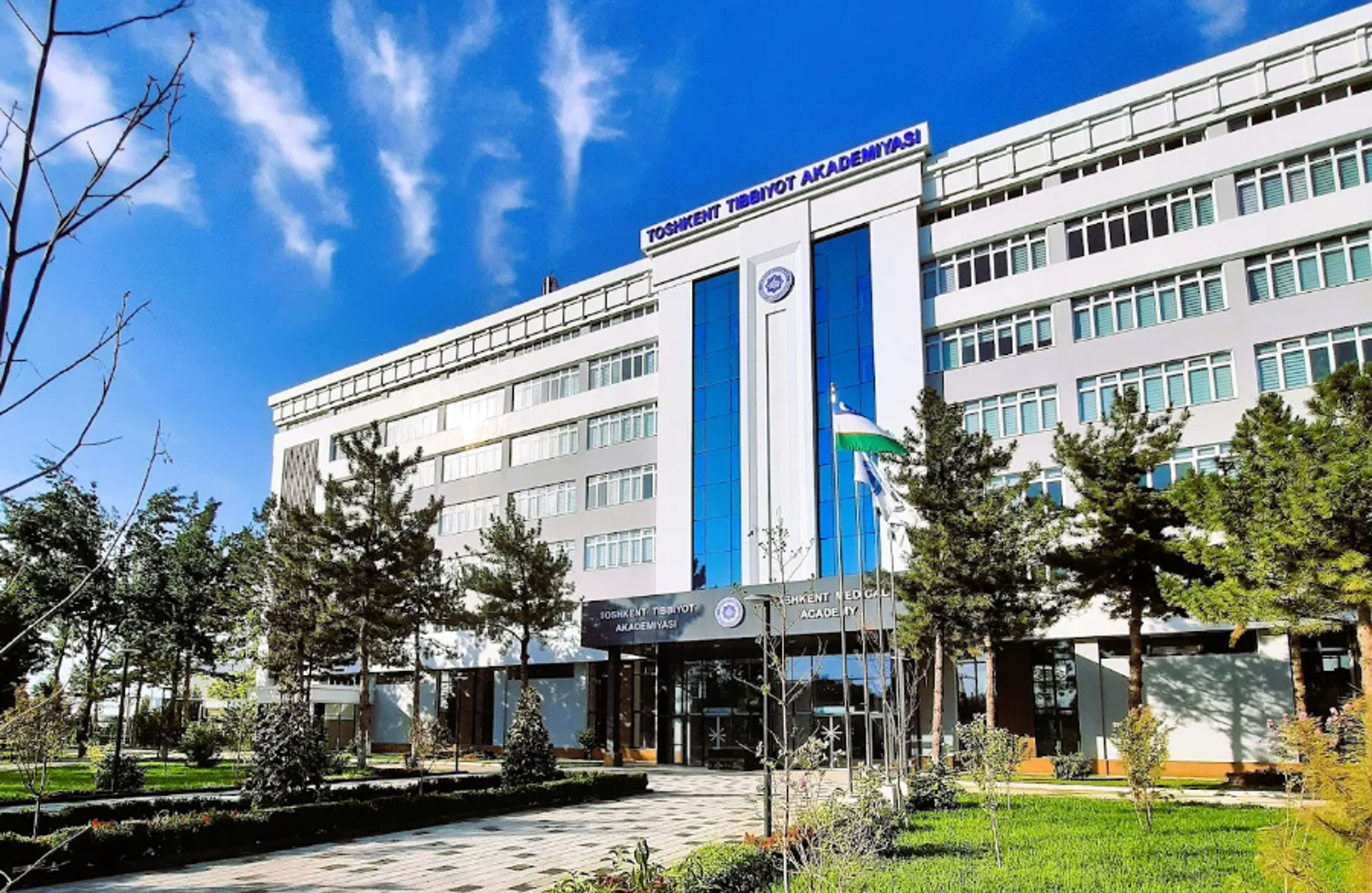
Tashkent Medical Academy
About Tashkent Medical Academy
Tashkent Medical Academy (TMA) was established in 2005 in Tashkent, Uzbekistan. It is approved by the National Medical Commission (NMC) and the Ministry of Higher Education and accredited by Secondary Specialised Education of Uzbekistan, WHO, UNESCO, and ECFMG. MBBS in Uzbekistan is the flagship course available to Indian students at Tashkent Medical Academy. Indian graduates from the institution can practice globally, including in India, after clearing FMGE/NEXT. As per uniRank, the Tashkent Medical Academy's world ranking is 7,699th, and the country rank in Uzbekistan is 17th.
The Tashkent Medical Academy fees for the MBBS program are around $3,500 per year for the 6-year course, including tuition. Additional expenses include the Tashkent Medical Academy hostel fee of $600 per year. The cost of living in Tashkent ranges from $210 to $400 per month, covering accommodation, food, and transport. MBBS admissions at TMA are based on the NEET UG exam.
Tashkent Medical Academy had a 100% FMGE pass percentage in 2024. The MBBS intakes at the institution are held in September every year.
☎️ Talk to an Expert Counsellor — FREE Call ☎️ |
|---|
Tashkent Medical Academy: Quick Highlights 2026
Here are some basic highlights about the Tashkent Medical Academy.

Particulars | Details |
Established | 2005 |
Recognition | WHO, ECFMG, FAIMER, and NMC |
Ranking (uniRank) | 17th in Uzbekistan 7,699th in Global rankings |
Duration of MBBS | 5+1 Years (one-year internship) |
Minimum Percentage for MBBS | 10+2 (50%) in PCB |
NEET Requirement | Yes |
Not Required | |
Processing Time for MBBS Admission | 15 to 60 Days |
Fees for MBBS | $3,500 (Annually) |
MBBS Hostel fee | $600/year |
Living Cost | $210–$400 per month |
Medium of Teaching | English |
MBBS intake | September |
Why Study MBBS at Tashkent Medical Academy?
Tashkent Medical Academy (TMA) is a prestigious and one of the oldest medical institutions in Central Asia, with a rich history of producing highly qualified medical professionals. Tashkent Medical Academy's world ranking is 7,699th. Here are several compelling reasons to consider studying MBBS at TMA:
- Globally Recognised: Tashkent Medical Academy's global recognition by the WHO and NMC ensures international degree validity, enabling further education or practice abroad after relevant licensing exams.
- Experienced and Qualified Faculty: TMA features highly experienced and dedicated faculty, including professors, doctors, and researchers committed to providing quality medical education and mentorship.
- Comprehensive and Updated Curriculum: The MBBS program at TMA follows international standards with a well-structured, regularly updated curriculum combining strong theory and extensive clinical training.
- English Medium of Instruction: For international students, TMA offers the entire MBBS program in English, effectively removing language barriers and facilitating a smoother learning process.
- Affordable Tuition Fees: Tuition fees at Tashkent Medical Academy are relatively cheap compared to those in many Western countries and private medical colleges in India, making it a financially accessible option.
Also Read: Study in Uzbekistan for Indian Students
Tashkent Medical Academy: Ranking 2026
Tashkent Medical Academy has been ranked by prominent ranking bodies like uniRank and EduRank. The table below shows the latest Tashkent Medical Academy rankings from various bodies.
Ranking Body | Country rank | World rank |
uniRank | 17th | 7,699th |
EduRank | 25th | 9,814th |
Tashkent Medical Academy: Recognition and Accreditation
Tashkent Medical Academy is recognised by the NMC, WHO, and other Russian authorities, as follows:
- World Health Organisation (WHO)
- National Medical Commission (NMC)
- World Federation for Medical Education (WFME)
- Educational Commission for Foreign Medical Graduates (ECFMG)
Tashkent Medical Academy: Course Duration
The course duration for MBBS at Kyrgyz Russian Slavic University is listed below.
Courses | Duration |
6 years (including 1-year internship) | |
PhD | 3-5 years |
Tashkent Medical Academy: Medium of Teaching
The Tashkent Medical Academy mainly teaches in English, particularly to Indian students.
Tashkent Medical Academy: FMGE Report
As per the FMGE results of 2024, Tashkent Medical Academy had a passing percentage of 100%.
Tashkent Medical Academy
Fees Stucture 2026
Tashkent Medical Academy offers an affordable MBBS program with a comprehensive fee structure covering tuition, accommodation, and other academic expenses. Check the table below for the Tashkent Medical Academy courses and fees.
Course | Yearly Tuition Fee | Yearly Hostel & Mess Fee |
$3,500 | $600 |
Also Read: MBBS Fees in Uzbekistan for Indian Students
☎️ Talk to an Expert Counsellor — FREE Call ☎️ |
|---|
Tashkent Medical Academy: MBBS Syllabus
The MBBS syllabus at Tashkent Medical University includes pre-clinical, para-clinical, early clinical, advanced clinical, and internship subjects in different years of the course. Go through the table below for the detailed MBBS syllabus at Tashkent Medical Academy.
Phase/Year | Core subjects (illustrative, grouped) |
Pre‑clinical (Year 1) | Human Anatomy, Histology, Cytology, Physiology, Medical/Bioorganic Chemistry, Biochemistry, General / Medical Psychology. |
Para‑clinical (Year 2–3) | Pathology, Microbiology, Pharmacology, Emergency Medicine, Patient Care, Community / Social Medicine, Forensic Medicine, Ecology, and Biostatistics. |
Early clinical (Year 3–4) | Internal Medicine, General Surgery, Pediatrics, Tuberculosis, Radiology, Urology, Neurology, Ophthalmology, and Medical Psychology. |
Advanced clinical (Year 4–5) | Obstetrics, Gynaecology, Infectious Diseases, Oncology, Traumatology, ENT (Otorhinolaryngology), Orthopedics, Narcology, Epidemiology. |
Internship (Year 6) | Rotations across Internal Medicine, Surgery, Pediatrics, Obstetrics & Gynaecology, Emergency Medicine, and other core departments, with supervised patient care. |
Tashkent Medical Academy: Faculties
The following faculties are available at the Tashkent Medical Academy to cover various subjects at the institution:
- Medical Faculty
- Medical-Pedagogical Faculty
- Medical-Prophylactic Faculty
- Higher Nursing Faculty
- Professional Training Faculty
Doctor of Philosophy [Ph.D]
Organization and Management of Higher Nursing
Laboratory Work
Tashkent Medical Academy
Admissions 2026

The Tashkent Medical Academy admissions involve submitting 10+2 mark sheets (50% in PCB), NEET qualification, passport, and applying online through TMA’s portal or authorised consultants. Based on the institution's decision regarding admission, students will receive the admission letter. After that, the candidate must get a student visa to travel to Canada.
☎️ Talk to an Expert Counsellor — FREE Call ☎️ |
|---|
Tashkent Medical Academy: Eligibility Criteria
The following are the essential eligibility criteria for Tashkent Medical Academy.
- Qualify for 10+2 with 50 % of marks with PCB.
- Clear the NEET UG exam
- Have the required Documents
- Hold a valid student visa
Tashkent Medical Academy: Documents Required
Here are the documents required for the Tashkent Medical Academy admission process:
- 10th and 12th Marksheets
- Transfer Certificate
- 6-8 Passport-size photographs
- Migration Certificate
- Passport
- Medical Insurance and HIV reports by a recognised Hospital
Tashkent Medical Academy
Career Opportunities
Indian students can find a wide range of options for medical practice after graduating from Tashkent Medical Academy. To be eligible for practicing medicine, they must clear the relevant licensing exam. Check the table below for the career opportunities along with their required exams and average yearly income.
Career path (after TMA MBBS/MD) | Licensing/board exam(s) typically needed | Approx. average salary (USD per year) |
Practice in India as a GP/junior doctor | FMGE/NExT (for NMC registration) | $5,000 – $10,000 |
Clinical practice in the USA (licensed MD) | USMLE Steps 1 & 2, residency match, then Step 3 | $160,000 – $240,000 |
Practice in the UK (NHS or private) | PLAB or UKMLA + GMC registration | $70,000 – $100,000 (£60k–£90k) |
Clinical practice in the Gulf (Saudi Arabia, UAE, etc.) | Local medical council registration + language/OSCE as needed | $48,000 – $100,000 (tax‑free, often with housing/allowances) |
PG/residency in Uzbekistan or CIS countries | Home‑country or host‑country licensing exams | $10,000 – $25,000 (highly variable by country) |
Research/academic career (global institutes) | Often PhD / MSc + national licensing, if also practicing | $30,000 – $80,000 (strongly depends on country and rank) |
☎️ Talk to an Expert Counsellor — FREE Call ☎️ |
|---|
Top Recruiters
Similar Colleges Abroad

No colleges available right now.
Tashkent Medical Academy
Scholarships 2026
The table below shows the details of the Tashkent Medical Academy scholarships available to Indian students.
Scholarship | Eligibility (incl. Indian students) | Benefits |
Government scholarship | High academic performance at TMA. | The monthly stipend amount is higher than the regular state scholarship. |
Rector’s Scholarship of Tashkent Medical Academy |
|
|
Abu Nasr Farabi scholarship | Students with outstanding academic performance and notable research output (articles, theses). | Special merit scholarship with an increased stipend and an official diploma/certificate named after Abu Nasr Farabi, valuable for academic CV. |
Merit-based internal tuition discount | Awarded by TMA to the 2nd year onwards based on semester performance. | Partial tuition fee reduction. |
Work–study financial aid at TMA | Students facing financial difficulty, including internationals, who are ready to work part-time on campus. | Opportunity to earn income through part-time campus jobs that help cover tuition and living expenses alongside studies. |
Sports/leadership/community service scholarships | Excellence in sports, leadership, or community service activities. | Additional scholarship funds or stipends. |
☎️ Talk to an Expert Counsellor — FREE Call ☎️ |
|---|
Tashkent Medical Academy
Faculty

Ophthalmology
Anesthesiology and Intensive Care
International Faculty
Medical and Biological Chemistry
Internal Diseases №3
Infectious Diseases
Recommended Colleges for You
No colleges available right now.
Tashkent Medical Academy
Infrastructure
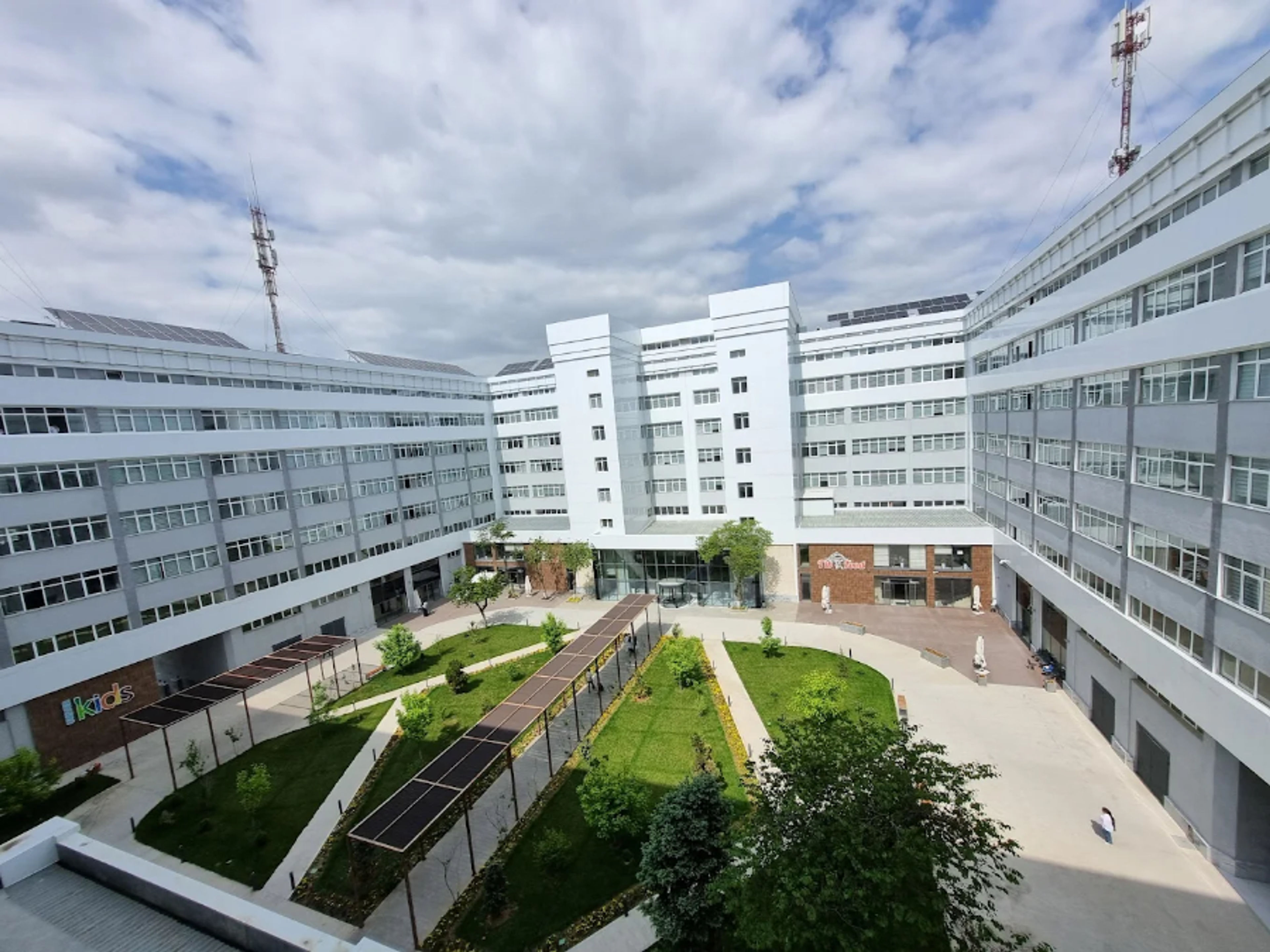
Tashkent Medical Academy boasts modern infrastructure with advanced labs, digital libraries, spacious lecture halls, and simulation centres, fostering an ideal environment for medical education and research.
Features | Details |
Academic facilities | Smart classrooms, well-equipped anatomy, physiology, biochemistry, simulation labs, central medical library, attached university clinics, computer rooms, etc. |
Sports facilities | On-campus sports stadium and outdoor grounds, football field, indoor gym/fitness centre, etc. |
Accommodation | Double or triple-sharing furnished rooms, with options for AC/non-AC. |
☎️ Talk to an Expert Counsellor — FREE Call ☎️ |
|---|
Tashkent Medical Academy: Hostels
Tashkent Medical Academy offers safe, affordable hostels ($600–1,000/year) with furnished rooms, Wi-Fi, Indian mess ($120/month), and 24/7 security, fostering a multicultural environment for international students. The MBBS hostel fee at Tashkent Medical Academy is $600 per year across all the 5 hostels at the institution. Indian students can get the following amenities at Tashkent Medical Academy:
- Well-furnished rooms
- Sports facilities
- Common room
- Meeting room
- Gym
- Computer room
- Kitchen
- Wi-Fi
- Security
Tashkent Medical Academy: Student Life
The key aspects of student life at Tashkent Medical Academy include learning, accommodation, extracurricular activities, etc. Below are the details of the Tashkent Medical Academy
Aspect | Typical experience at TMA |
Daily academic routine | Structured schedule: morning lectures, practicals/labs, afternoon classes or clinical rotations; long study hours expected for MBBS‑level subjects. |
Hostel/accommodation | Shared rooms in university hostel; 2–4 students per room; basic to decent facilities; some students also opt for private rooms. |
Food & dining | Hostel mess/canteen offering simple meals; many international students also cook in the hostel or nearby shared kitchens. |
Campus & facilities | Green campus with sports grounds, lecture halls, labs; students report sports (football, volleyball, etc.) and indoor games. |
Extracurriculars | Sports tournaments, medical quizzes, debate clubs, cultural shows, and the annual International Student Conference for research. |
Cultural life | Multicultural student body; festivals like Navruz, Diwali, and Eid are celebrated on campus. |
Social life | Active student‑run events, weekend competitions, dance and games; many international students form close‑knit groups. |
Work–life balance | Academically demanding but with time for sports, clubs, and occasional city outings; it depends on the year and exam load. |
Facilities
Cafeteria
Food Zone

Auditorium
Auditourm & Confrence Hall

Classrooms
College Classrooms
Hostel
Accommodation
Medical
On-Campus Dispensaries

Labs
Advanced Labs

Library
Central Library