



BSc MLT: Full Form, Course Details, Syllabus, Fees, Admission 2025, Top Colleges, Career Scope
Bachelor of Science [B.Sc] (Medical Laboratory Technology)
BSc MLT Course Overview
BSc MLT Latest Updates
- The 2025–26 MLT admissions cycle is currently open, with eligibility for 10+2 (PCB) and online application procedures ongoing.
- Some universities, like Chandigarh University, have extended admission deadlines until July 27, 2025.
- Distance-learning programs (e.g., B.Sc MLT) at select institutes currently have an application deadline of July 15, 2025.
The Bachelor of Science in Medical Laboratory Technology (B.Sc MLT) is a 3-year course where students learn about diagnostic tests and how to use lab equipment. It is meant for science students (PCB) who want to work in labs, hospitals, or research centres. Admission is mostly based on 10+2 marks, but some colleges may hold entrance exams or interviews. The course is available in over 400 colleges across India.
The fee for government colleges ranges between ₹20,000 and ₹50,000 per year, while the fee structure for private colleges may vary between ₹70,000 and ₹1,50,000 per year. Top recruiters include AIIMS, Dr. Lal PathLabs, Apollo Hospitals, and Metropolis Healthcare.
BSc MLT: Quick Highlights
Some of the quick highlights of the BSc MLT course are given below:
Particulars | Details |
Full Form of the Course | Bachelor of Science in Medical Laboratory Technology |
Course Level | Undergraduate |
Course Duration | 3 years (may include a 6-month to 1-year internship) |
Course Type | Degree |
Application Mode | Online/Offline (varies by institution) |
Entrance Test for the Course | CUET, NPAT, CUCET |
Course Fees | ₹50,000 – ₹2,50,000 (varies by college and state) |
Top Colleges for the Course | |
Top Specialisations After the Course |
|
Top Recruiters for the Course |
|
BSc MLT: Important Dates and Events 2026
Candidates MLT—Important to keep an eye on all important dates for B.Sc MLT admissions. These include application form release, last date to apply, entrance exam dates (if any), merit list announcements, counselling schedules, and final admission deadlines. The BSc MLT important dates and events are given below.
NPAT 2026
Event | Dates (Tentative) |
Online Registration | 1st Week of December 2025 |
Submission of Application Form | 3rd Week of May 2026 |
Exam Date Scheduling | 1st Week of January 2026 – 4th Week of May 2026 |
Online Computer-Based Test at Centres | 1st Week of January 2026 – 4th Week of May 2026 |
Declaration of Result | 1st Week of June 2026 |
Commencement of Counselling | June 2026 |
CUET Exam
Event | CUET 2026 Dates |
CUET Registration Form Start Date | 1st Week of March 2026 |
CUET Registration Last Date | Last Week of March 2026 |
CUET Application Fee Payment Last Date | Last Week of March 2026 |
CUET Application Correction Start Date | 1st Week of April 2026 |
Correction Window Last Date | 1st Week of April 2026 |
CUET City Slip Release Date | To be announced later on the website |
CUET Admit Card Release Date | 3–4 Days Before the Exam |
CUET 2026 Exam Dates | 2nd Week of May 2026 (Tentative) |
CUET Result Announcement | To be announced later on the website |
CUET 2026 Merit List Release Date | To be announced later on the website |
CUET UG Counselling Begins | To be announced later on the website |
FAQs
Ques 1. When will the CUET 2026 for B.Sc MLT be held?
Ans 1. CUET 2026 is expected to be held in the 2nd week of May 2026.
Ques 2. What is the last date for applying to NPAT 2026 for BSc MLT?
Ans 2. The closing of online applications for NPAT 2026 is expected in the 3rd week of May 2026.
Why Choose B.Sc MLT?
The B.Sc MLT is suitable for students interested in diagnostic sciences and laboratory work. This course offers hands-on training on testing, analyzing samples, and using lab equipment, which is an important process for correct disease diagnosis. With the growing demand for trained lab technicians in hospitals, clinics, and diagnostic labs, a B.Sc MLT offers good job opportunities and career growth in the healthcare field. The details are given below.
1. The Crucial Role in Patient Diagnosis:
Their reports are the basis of valid diagnoses and treatment of patients by the doctors. Giving treatment without accurate laboratory data is next to impossible.
2. Rising Demand in the Healthcare Sector:
The rise of diseases and pandemics has affected the demand for diagnostic services, as now prevention is at stake. Since people prefer to undergo health checkups regularly, this demand is on the rise for MLT professionals. It is a fast-growing field in both urban and rural health setups.
3. Wide Range of Employment Opportunities:
One can work in government/private hospitals or as a medical technologist in diagnostic labs, research centers, or blood banks. Forensic labs, pharmaceutical companies, and health NGOs provide opportunities as well. Such variety keeps the career exciting and dynamic.
4. Hands-on Training with Modern Equipment
Training of students in the usage of diagnostic tools and laboratory software equips them with modern means. Good hands-on knowledge in sample handling, equipment operation, and reporting is provided. This makes them well placed for facing the very technical task in modern laboratories.
5. Multiple Specialisation Options
One specialises post-graduation in the fields of haematology, Immunology, Microbiology, and Cytotechnology. Specialization develops an in-depth knowledge and exposes one to higher job roles. It is an attractive option for those seeking expertise in a narrow stream of lab science.
FAQs
Ques 1. Is B.Sc MLT a secure course for jobs?
Ans 1. Yes, it has a stable career due to increasing demand in diagnostics and healthcare.
Ques 2. What practical training is provided in B.Sc MLT?
Ans 2. Students undergo practical training in the analysis of samples, working with lab instruments and diagnostic tools.
BSc MLT: Duration
The B.Sc MLT is a 3-year full-time course, often followed by a 6-month to 1-year internship, depending on the university. The program is divided into six semesters, combining both theory and practical lab training. This helps students gain hands-on experience in clinical and diagnostic labs. The details of the BSc MLT course duration are given below.
Component | Details |
Total Duration | 3.5 to 4 Years (Including Internship) |
Academic Duration | 3 Years (Full-Time) |
Number of Semesters | 6 Semesters (2 per academic year) |
Internship Duration | 6 Months to 1 Year (Depending on college/university) |
Mode of Study | Regular / Full-Time |
Training/Practical Hours | Includes hands-on lab sessions every semester; intensifies during internship |
Evaluation Method | Semester exams, internal assessments, practicals, and viva-voce |
Final Year Focus | Internship, project work, advanced lab techniques, and hospital training |
FAQs
Ques 1. How many semesters are there in B.Sc. MLT?
Ans 1. The course consists of 6 semesters held over 3 years, plus time for an internship.
Ques 2. Is an internship compulsory in B.Sc. MLT?
Ans 2. Yeah, in basically all universities, a 6-month to a 1-year period of clinical internship is required.
B.Sc MLT Cut Off
B.Sc MLT cutoffs depend on the college and admission method, which is either through entrance exams or merit. For entrance-based admission, candidates must score above the cutoff to get selected. In merit-based admission, Class 12 science marks are used to decide the cutoff. The category-wise cutoff for the BSc MLT course is given below.
Category | Minimum Qualification | Required Subjects | Minimum Marks Required |
UR / EWS | Class 12 (10+2) | Physics, Chemistry, Biology/Mathematics | 50% |
OBC | Class 12 (10+2) | PCB / PCM | 45% |
SC | Class 12 (10+2) | PCB / PCM | 40–45% |
ST | Class 12 (10+2) | PCB / PCM | 40–45% |
UR / EWS – PwD | Class 12 (10+2) | PCB / PCM | 45% |
OBC/SC/ST – PwD | Class 12 (10+2) | PCB / PCM | 40% |
FAQs
Ques 1. What is the usual cutoff for B.Sc MLT admission in top colleges?
Ans 1. Usually, the range is 50-60% for the UR category; reserved categories may get a cutoff of 40-45%.
Ques 2. Does every college prepare its own merit list separately?
Ans 2. Yes, each institute has its own cutoff and accordingly takes a merit list depending on the volume of applications.
BSc MLT Seats
The total number of B.Sc MLT seats differs from college to college. Government colleges usually have fewer seats, while private colleges offer more. Knowing the seat availability helps students plan better for admission. The seat details are given in the table below.
State / UT | Govt. Colleges | Private Colleges | Govt. Seats | Private Seats | Total Seats |
Punjab | 3 | 10 | 180 | 600 | 780 |
Haryana | 4 | 8 | 150 | 500 | 650 |
Himachal Pradesh | 2 | 2 | 80 | 200 | 280 |
Chandigarh | 1 | 1 | 50 | 60 | 110 |
Rajasthan | 5 | 12 | 250 | 750 | 1000 |
Uttar Pradesh | 10 | 20+ | 400 | 1300 | 1700 |
Delhi | 3 | 3 | 120 | 200 | 320 |
Karnataka | 6 | 30+ | 300 | 1500+ | 1800+ |
Madhya Pradesh | 4 | 8 | 150 | 500 | 650 |
Maharashtra | 8 | 25+ | 300 | 1400+ | 1700+ |
Uttarakhand | 2 | 3 | 80 | 200 | 280 |
Tamil Nadu | 10 | 30+ | 400 | 1600+ | 2000+ |
Gujarat | 4 | 12 | 160 | 600 | 760 |
Kerala | 6 | 15 | 250 | 800 | 1050 |
Bihar | 3 | 5 | 100 | 300 | 400 |
Andhra Pradesh | 5 | 10 | 180 | 600 | 780 |
Chhattisgarh | 3 | 3 | 100 | 250 | 350 |
West Bengal | 5 | 8 | 200 | 500 | 700 |
Telangana | 4 | 12 | 180 | 700 | 880 |
Jharkhand | 2 | 2 | 80 | 200 | 280 |
FAQs
Ques 1. Which state has the highest number of B.Sc MLT seats?
Ans 1. The states of Tamil Nadu, Karnataka, and Maharashtra offer the largest number of seats across the various institutions.
Ques 2. Do private colleges have more seats than government colleges?
Ans 2. Yes, more often, private colleges tend to offer more seats than government colleges.
Bachelor of Science [B.Sc] (Medical Laboratory Technology)
BSc MLT Syllabus
The B.Sc MLT syllabus is designed to give students both theoretical knowledge and practical training. It covers subjects like biochemistry, pathology, microbiology, haematology, and lab management. Students also learn how to use lab equipment and perform diagnostic tests. More details about the course syllabus are given below.
Semester 1 | Semester 2 | Semester 3 | Semester 4 | Semester 5 | Semester 6 |
Human Anatomy I | Human Anatomy II | Pathology I | Pathology II | Immunohematology & Blood Banking | Clinical Endocrinology & Toxicology |
Human Physiology I | Human Physiology II | Clinical Haematology I | Clinical Haematology II | Clinical Enzymology & Automation | Advanced Diagnostic Techniques |
Biochemistry I | Biochemistry II | Microbiology I | Microbiology II | Parasitology & Virology | Diagnostic Molecular Biology |
Health Education & Health Communication | Bio-Medical Waste Management | Immunology & Serology I | Immunology & Serology II | Diagnostic Cytology | Clinical Endocrinology & Toxicology Lab |
PC Software Lab | Communication Lab | Histopathology & Histotechniques I | Histopathology & Histotechniques II | Principles of Lab Management & Medical Ethics | Advanced Diagnostic Techniques Lab |
Human Anatomy I Lab | Human Anatomy II Lab | Clinical Haematology I Lab | Clinical Haematology II Lab | Clinical Enzymology Lab | Diagnostic Molecular Biology Lab |
Human Physiology I Lab | Practical: Human Physiology II | Microbiology, Immunology & Serology I Lab | Microbiology, Immunology & Serology II Lab | Parasitology & Virology Lab | Internship Project |
Biochemistry I Lab | Practical: Biochemistry I | Histopathology & Histotechniques I Lab | Histopathology & Histotechniques II Lab | Diagnostic Cytology Lab |
FAQs
Ques 1. What are the major subjects in the syllabus of B.Sc MLT?
Ans 1. The major syllabus includes Biochemistry, Microbiology, Clinical haematology, Immunology, and Diagnostic Cytology.
Ques 2. Does the syllabus include practical training in laboratories?
Ans 2. Yes, practical/lab sessions are provided along with theory for every semester.
Medical Laboratory Technology
Bachelor of Science [B.Sc] (Medical Laboratory Technology)
BSc MLT Entrance Exams
The B.Sc MLT course is offered in many colleges through entrance exams. These exams test students on Class 12 subjects like Physics, Chemistry, and Biology. Some of the top BSc MLT entrance exams are mentioned below.
Name of the Exam | Remarks |
NPAT | Conducted by NMIMS for UG programs, including B.Sc (MLT) |
CUET | National-level exam accepted by central universities |
CUCET | Common entrance for selected central/state universities |
SET | Symbiosis Entrance Test for UG courses |
GAHET | Conducted by Ganga Group of Institutions |
FAQs
Ques 1. Is NPAT a must for all B.Sc MLT admissions?
Ans 1. No. NPAT is only for NMIMS. Other governing bodies may take CUET, SET, or merit entries.
Ques 2. How difficult are the entrance exams for B.Sc MLT?
Ans 2. They are usually based on Class 12 subjects like Physics, Chemistry, and Biology, so basic preparation is enough.

Karnataka Common Entrance Test
Exam Scope:
Graduate•Exam Date:
Apr 05, 2025
Bachelor of Science [B.Sc] (Medical Laboratory Technology)
Top Universities and Colleges for BSc MLT in India & Abroad 2025
Many top colleges and universities in India and abroad offer the B.Sc. in Medical Laboratory Technology course. In India, both government and private institutes give good classroom learning and lab training. In other countries, similar courses may be called Clinical or Medical Laboratory Science and often include advanced diagnostic techniques. The table below provides a list of the best colleges for a BSc MLT.
General Top Colleges for B.Sc MLT
The general top colleges for BSc MLT are given below:
College Name | Average Annual Fees |
Manipal Academy of Higher Education, Manipal, Karnataka | ₹1,20,000 |
₹1,45,000 | |
Siksha ‘O’ Anusandhan University, Bhubaneswar, Odisha | ₹85,000 |
King George’s Medical University, Lucknow, Uttar Pradesh | ₹73,000 |
SRM Institute of Technology, Kanchipuram, Tamil Nadu | ₹55,000 |
Christian Medical College (CMC), Vellore, Tamil Nadu | ₹23,255 |
₹1,00,000 | |
₹17,970 | |
Government Medical College, Kozhikode, Kerala | ₹18,910 |
Government Medical College and Hospital, Chandigarh | ₹9,500 |
Top Government Colleges for B.Sc MLT
The top government colleges for BSc MLT are given below:
College Name | Course Fees |
₹4,800 | |
GMCH, Chandigarh | ₹28,740 |
University College of Medical Sciences (DU), New Delhi | ₹30,000 |
S.M.S. Medical College, Jaipur | ₹63,000 |
₹98,100 | |
Christian Medical College & Hospital, Ludhiana | ₹1,30,000 |
Sanjay Gandhi Postgraduate Institute of Medical Sciences (SGPGIMS) | ₹2,20,000 |
Datta Meghe Institute of Higher Education and Research | ₹2,64,000 |
₹4,20,000 |
Top Private Colleges for B.Sc MLT
The top private colleges for BSc MLT are given below:
College Name | Course Fees |
₹1,800 | |
₹74,300 | |
St. John’s National Academy of Health Sciences | ₹81,970 |
Mahatma Gandhi Medical College, Sri Balaji Vidyapeeth | ₹90,000 |
Maharishi Markandeshwar University (MMU) | ₹98,000 – ₹2,64,000 |
Dr. D.Y. Patil Vidyapeeth, Pune | ₹2,25,000 |
VELS Institute of Science, Technology and Advanced Studies | ₹2,68,000 |
₹3,06,000 – ₹4,08,000 | |
Saveetha Institute of Medical and Technical Sciences | ₹3,95,000 – ₹5,00,000 |
FAQs
Ques 1. Name the major centres for B.Sc MLT in India.
Ans 1. The major ones are AIIMS, CMC Vellore, Manipal Academy, JIPMER, and SRM Institute.
Ques 2. Can I do a B.Sc MLT abroad?
Ans 2. Yes, in countries like the USA, the UK and Canada, similar degrees are offered under Clinical Lab Science.
BSc MLT: Abroad vs India
The BSc MLT in India and abroad differs in many ways. In India, the course is more affordable and offered by many government and private colleges. Studying abroad usually means access to advanced lab equipment, international healthcare standards, and higher fees. The table below shows the key differences between studying BSc MLT in India and abroad.
Aspect | India | Abroad (USA/UK/Canada/Australia, etc.) |
Course Name | B.Sc in Medical Laboratory Technology (MLT) | B.Sc in Medical Laboratory Science / Clinical Laboratory Science / Biomedical Science |
Course Duration | 3 – 4 years (including internship) | 3 – 4 years (varies by country & university) |
Eligibility | 10+2 (Science: PCB/PCM), Min. 50% | High school diploma with science subjects + English language proficiency (IELTS/TOEFL) |
Admission Process | Merit-based / Entrance exams (CUET, SET, NPAT, etc.) | Entrance tests (SAT/ACT optional), academic performance, SOPs, LORs, IELTS/TOEFL |
Curriculum Focus | Core focus on diagnostic lab procedures & pathology | More research-oriented, advanced diagnostics, and lab automation |
Internship/Training | Mandatory hospital/lab internship during the final year | Mandatory clinical placement/lab rotations throughout the course |
Average Fees | ₹50,000 – ₹2,50,000 per year | ₹10 – ₹25 lakhs per year (depending on country & university) |
Top Recruiters | Hospitals, diagnostic labs, research institutes, and blood banks | Hospitals, biotech firms, public health agencies, research labs, pharma companies |
Career Scope | Clinical lab technologist, lab manager, quality control analyst | Higher research roles, lab scientist, opportunities for post-grad & licensure |
Post-study Opportunities | M.Sc MLT, MBA (Healthcare), Government jobs, lab management | PG programs (MS, MPH), PR/job opportunities with global certifications |
FAQs
Ques 1. What is the foremost advantage of studying B.Sc MLT abroad?
Ans 1. The advantages of studying abroad are getting an advanced diagnostic facility, a research-oriented curriculum and worldwide acceptance.
Ques 2. Is B.Sc MLT cheaper in India?
Ans 2. Indian colleges have lower fees as compared to their international counterparts.
Top Colleges

Doon P.G. Paramedical College & Hospital, Dehradun, Uttarakhand
Dehradun, UttarakhandINR 4,70,000
Average Package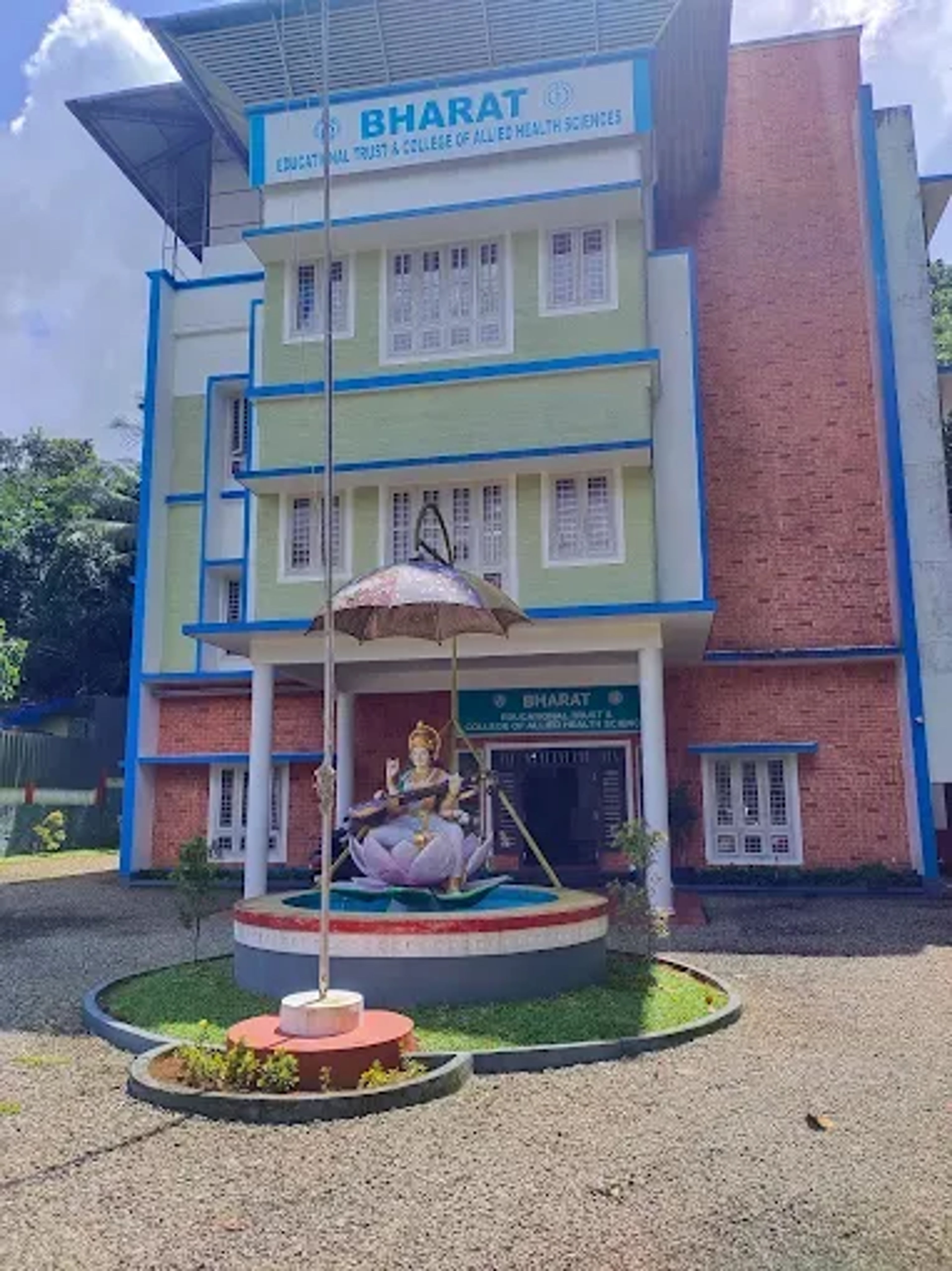
Bharath College of Parmedical Science, Kottayam, Kerala
Kottayam, KeralaINR 2,50,000
Average Package
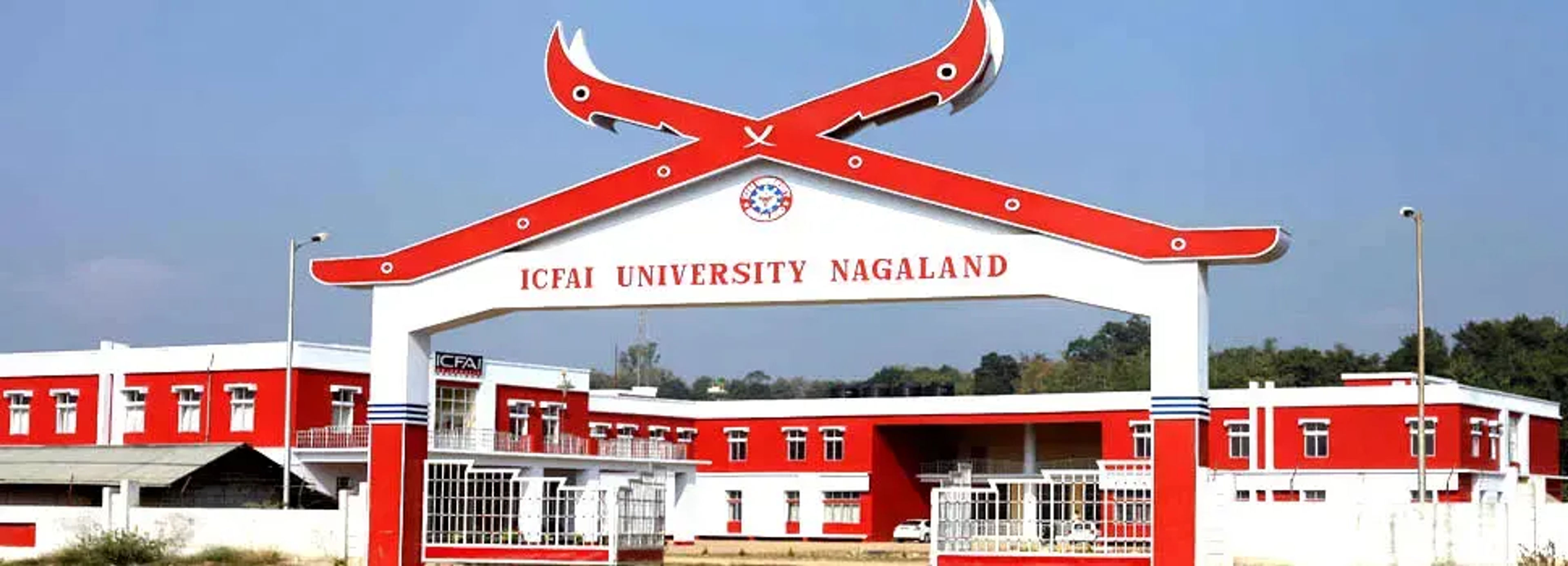
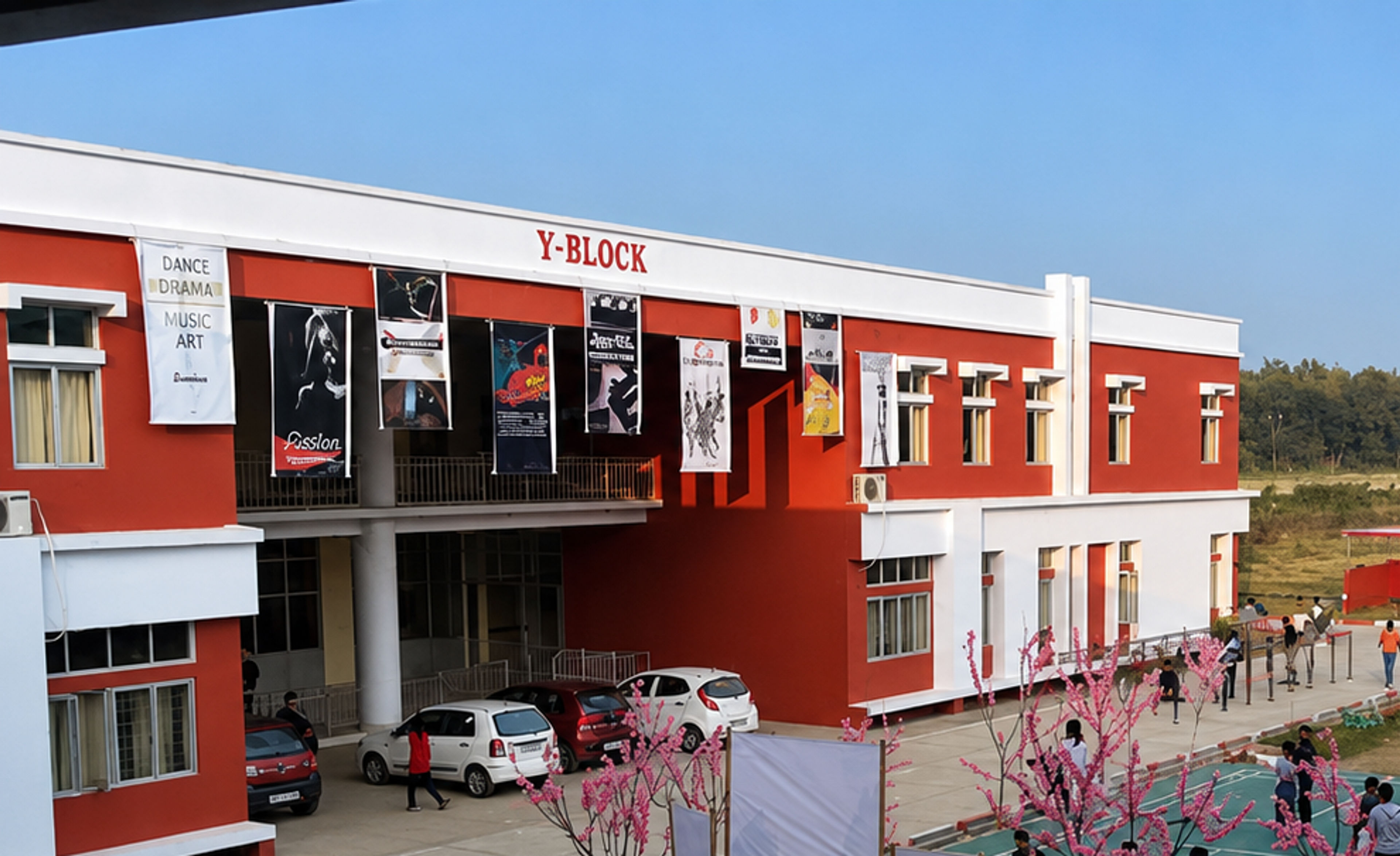
ICFAI University, Dimapur, Nagaland
Dimapur, NagalandINR 14,00,000
Average Package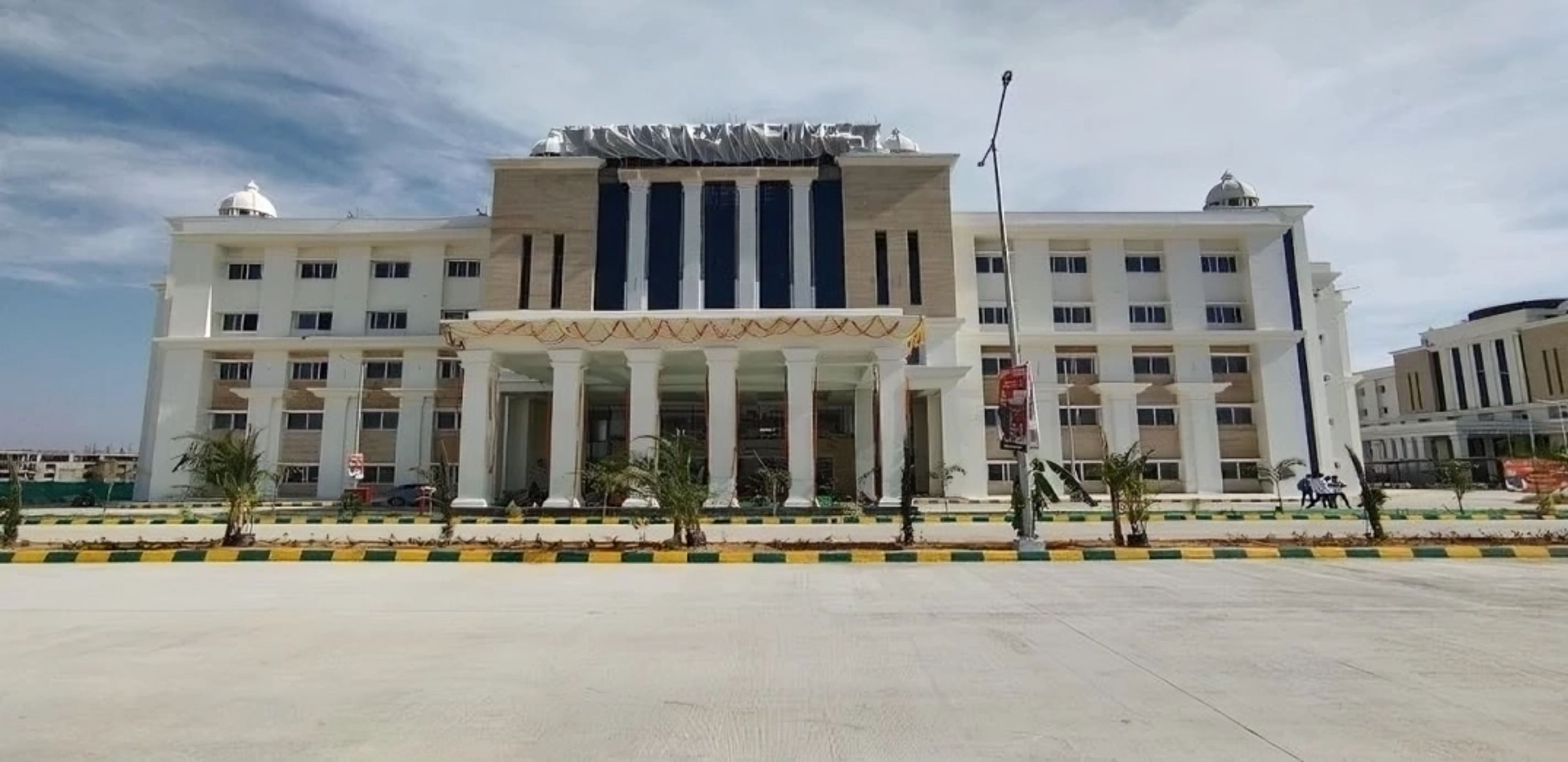
Chikkaballapura Institute of Medical Sciences
Chikkaballapur, KarnatakaINR 17,00,000
Average PackageBachelor of Science [B.Sc] (Medical Laboratory Technology)
BSc MLT Course Eligibility Criteria
To get admission into the 3-year B.Sc MLT, candidates must have passed 10+2 with Physics, Chemistry, and Biology or Mathematics from a recognised board. Some colleges may give mark relaxation for SC, ST, and OBC students. More details about BSc MLT eligibility are given below.
Eligibility Criteria | Details |
Educational Qualification | Must have passed Class 12th (10+2) from a recognised board in India. |
Minimum Marks Required | At least 50% aggregate marks in the qualifying examination. |
Compulsory Subjects | Should have studied Physics, Chemistry, Biology, and Mathematics in 10+2. |
Entrance Exams | Admission may be based on entrance tests, interviews, or merit-based systems. |
FAQs
Ques 1. What subjects should one study for the eligibility of B.Sc MLT?
Ans 1. Physics, Chemistry and Biology or Mathematics at the 10+2 level are a must for B.Sc MLT.
Ques 2. Is there a relaxation in qualifying marks based on category for B.Sc MLT?
Ans 2. Yes, normally, it is 5% to 10% in the minimum marks for SC/ST/OBC/PwD candidates.
Bachelor of Science [B.Sc] (Medical Laboratory Technology)
BSc MLT Course Admission
B.Sc MLT admission is mainly based on marks obtained in Class 12. While many colleges follow a merit-based system, some may conduct entrance exams. Applicants must meet the eligibility criteria, submit their applications within the deadline, and may also need to attend counselling or interviews. The full admission process is explained below.
Merit-Based Admission
Step 1: Eligibility: Must have passed 10+2 with Physics, Chemistry, and Biology/Mathematics; typically requires a minimum of 50% aggregate (varies by college).
Step 2: Application: Apply online or offline directly to individual colleges or universities.
Step 3: Selection Criteria: Admission is based on Class 12 marks. Colleges prepare and release merit lists using aggregate scores.
Step 4: Counselling Process: Shortlisted candidates are called for counselling to select their preferred course and college.
Step 5: Seat Allotment: Seats are allotted based on the merit list rank, course/college preference, and seat availability.
Step 6: Document Verification: Candidates must submit academic records, ID proof, photographs, and other necessary certificates.
Step 7: Final Admission: Granted, after document verification and seat confirmation.
Entrance-Based Admission
Step 1: Eligibility: 10+2 with Science (PCB/PCM) and around 50% aggregate (depending on the institution).
Step 2: Application: Register and apply for entrance exams such as CUET, NPAT, SET, or specific institutional tests.
Step 3: Selection Criteria: Based on entrance exam performance. Ranks are published and used for merit listing.
Step 4: Counselling Process: Candidates are invited for counselling based on their entrance exam ranks to choose a course and college.
Step 5: Seat Allotment: Based on entrance test scores, preferences, and availability of seats.
Step 6: Document Verification: Same as merit-based – submission of all required documents for final approval.
Step 7: Final Admission: Confirmed after rank-based seat allotment and document verification.
FAQs
Ques 1. Is BSc. MLT admission merit-based or entrance-based?
Ans 1. Both methods are followed. Some colleges admit on the basis of marks scored in 12th, while entrance tests are held for other colleges.
Ques 2. What documents are required at the time of admission?
Ans 2. Mark sheet of 10+2, Identity Proof, Category Certificate-if applicable, and some passport photographs.
Bachelor of Science [B.Sc] (Medical Laboratory Technology)
BSc MLT Fees
The B.Sc MLT fees depend on the type of college. Government colleges usually range between ₹20,000 to ₹50,000 per year, while private colleges may be between ₹70,000 to ₹ 1,50,000 per year. This fee generally covers tuition, lab charges, and other academic costs. A detailed fee structure is given below.
Type of Institution | Fee Range (Approx.) | Remarks |
Government Colleges | ₹10,000 – ₹50,000 per year | Lower cost, limited seats, entrance exam is often required |
Private Colleges | ₹50,000 – ₹1,50,000 per year | Higher fees, more facilities may have direct admission |
Deemed Universities | ₹1,00,000 – ₹2,50,000 per year | Includes institutions like Manipal, Amity, etc. |
Autonomous Institutions | ₹75,000 – ₹1,75,000 per year | Varies based on ranking, facilities, and location |
FAQs
Ques 1. How much is the average fee for BSc MLT in a government college?
Ans 1. The fee at a government college would be anything between ₹10,000 and ₹50,000 per year.
Ques 2. Are Deemed University costly as compared to Government or Private Universities ?
Ans 2. Yes, deemed universities usually cost , their fee structure is between ₹1,00,000 to ₹2,50,000 yearly.
Bachelor of Science [B.Sc] (Medical Laboratory Technology)
BSc MLT Placements
Top Recruiters/Placement Companies
B.Sc Medical Laboratory Technology graduates are in demand in hospitals, labs, pharma companies, and research centres. Both the government and private sectors hire skilled lab professionals for testing, pathology, and quality checks. The top recruiters for the B.Sc MLT course are listed below.
Government Sector | Private Sector / Corporates |
AIIMS (All India Institute of Medical Sciences) | Dr. Lal PathLabs |
ESIC (Employees’ State Insurance Corporation) | SRL Diagnostics |
CGHS, State Health Depts. | Thyrocare Technologies |
Indian Railways (Medical Wing) | Apollo Hospitals |
DRDO / CSIR / ICMR Labs | Fortis Healthcare |
Government Medical Colleges | Metropolis Healthcare Ltd |
JIPMER, PGIMER, SGPGI | Narayana Health / Max Healthcare |
Directorate of Health & Family Welfare | SevenHills, Suburban Diagnostics, Sai Biocare Pvt Ltd |
FAQs
Ques 1. Which companies hire B.Sc MLT graduates?
Ans 1. Top recruiters in the industry include AIIMS, Dr. Lal PathLabs, SRL Diagnostics, Fortis, and Metropolis.
Ques 2. Is there any government job after B.Sc MLT?
Ans 2. Yes, jobs are there in ESIC, CGHS, AIIMS, Indian Railways, and state health departments.
B.Sc MLT: Salary Package
The salary for B.Sc. MLT graduates depend on job role, experience, location, and employer type. Freshers usually earn between ₹2.5 to ₹4.5 LPA, while experienced professionals can earn ₹5 LPA to ₹8 LPA. The table below shows the average salaries for common job roles.
Level | Job Role | Average Salary (INR per annum) | Top Range (INR per annum) |
Freshers (0–2 years) | Lab Technician, Assistant | ₹2.0 – ₹2.5 LPA | ₹3.0 LPA |
Mid-Level (2–5 years) | Pathology Tech, Imaging Tech | ₹2.5 – ₹3.5 LPA | ₹4.2 LPA |
Experienced (5+ years) | Lab Manager, Research Asst. | ₹4 – ₹6 LPA | ₹8+ LPA |
Teaching / Faculty | Lecturer / Assistant Prof. | ₹3 – ₹4.5 LPA | ₹6 LPA |
Top-tier Positions | Medical Officer / Consultant | ₹5 – ₹7 LPA | ₹10 LPA+ |
Scope/Career Options After BSc MLT
After completing a B.Sc. in Medical Laboratory Technology, students can work in hospitals, labs, research centres, and healthcare companies. Common job roles include lab technician, pathology assistant, research associate, and quality control officer. With experience, they can move into lab management, teaching, or advanced testing roles. The detailed structure of career options for the B.Sc MLT is given below:
Career Option | Job Role / Description | Work Sector |
Medical Laboratory Technician | Tests and analyses blood, urine, and tissue samples for the diagnosis of diseases. | Hospitals, Clinics, Diagnostic Labs |
Pathology Technician | Helps pathologists in analysing samples, making slides, and other laboratory tests. | Pathology Labs, Hospitals |
Radiology/Imaging Technician | Operate imaging equipment such as X-ray, CT scan and MRI for diagnostic purposes. | Diagnostic Centers, Hospitals |
Blood Bank Technician | Manages blood donations, storage, cross-matching, and transfusions. | Blood Banks, Multispecialty Hospitals |
Clinical Research Assistant | Supports medical research and clinical trials through data collection and analysis. | Research Institutes, CROs |
Laboratory Manager | Supervise lab operations, manage staff, and maintain quality control. | Large Hospitals, Research Labs |
Medical Officer (Lab Services) | Coordinate lab activities, quality assurance, and patient testing services. | Govt/Pvt Hospitals, Healthcare NGOs |
Medical Record Technician | Maintain, organize, and secure patient health records and test data. | Hospitals, Insurance Companies |
Medical Writer / Documentation | Prepare scientific documents, lab manuals, case reports, and research summaries. | Pharma Companies, Medical Journals |
Lecturer / Educator | Teach medical lab technology to students at universities or paramedical colleges. | Colleges, Universities, Skill Institutes |
FAQs
Ques 1. What is a B.Sc. in Medical Laboratory Technology?
Ans 1. B.Sc MLT is a 3 to 4-year undergraduate course that imparts to the student concerning the performance of diagnostic tests, the handling of laboratory instruments, and the analysis of various samples (blood, urine, tissues) that might aid in the diagnosis of diseases through laboratory procedures.
Ques 2. What is the eligibility for B.Sc MLT?
Ans 2. Candidates must pass 10+2 (Science stream) with Physics, Chemistry, and Biology/Mathematics with aggregate marks of at least 50% from any recognised board.
Ques 3. Is NEET required for B.Sc MLT admission?
Ans 3. No, NEET is not required for B.Sc MLT. Usually, admission is given on a merit basis or through university-level entrance exams such as CUET or NPAT or sometimes by the institute's own entrance exams.
Ques 4. What are the career options after completing the B.Sc MLT?
Ans 4. Graduates can work as Lab Technicians, Pathology Technicians, Radiology Technicians, Medical Officers, Research Assistants, or proceed to further studies in M.Sc. MLT, or Hospital Management.
Ques 5. What is the average salary after a B.Sc MLT in India?
Ans 5. Freshers can expect a starting salary of ₹2.0 – ₹3.5 LPA. With experience and higher roles (e.g., Lab Manager, Researcher), the salary can go up to ₹6–8 LPA or more.
Ques 6. What job profiles can I apply for after a B.Sc MLT?
Ans 6. Lab Technician, Pathology Technician, Research Assistant, Radiology Technician, etc.
Ques 7. Is teaching a viable career after B.Sc MLT?
Ans 7. Yes, graduates can be given opportunities to teach in paramedical and allied health colleges.

Not sure what you are looking for? Connect with our counsellors.
Login helps you find curated results for your requirement.