








Study in Germany for Indian Students: Universities, Courses, Costs, Scholarships & Placements
Discover Universities, Courses, Eligibility, Scholarships & More
Germany
Overview
Study in Germany has become one of the wisest decisions among the Indian graduates who want to pursue their masters degree. German masters’ programs come with exceptional theoretical as well as practical knowledge. As per the recent data, Germany hosts over 43,000 Indian students, making India the second-largest group of international learners in the country. With 400+ public universities and more than 2,000 English-taught courses, Germany provides high-quality education in fields like Engineering, Business Management, Computer Science, Medicine, and Applied Sciences. Master in management program is one of the most sought-after courses to study in Germany.
The top universities to study in Germany are:
- IU International University of Applied Sciences
- FOM University of Applied Sciences
- Technical University of Munich
- LMU Munich
- University of Hamburg
- Heidelberg University
The average cost of studying in Germany at public universities is very low or even free, with students only required to pay a semester contribution ranging between €100 and €1,500 per semester. The tuition fees at private universities in Germany ranging approximately from €5,000 to €15,000 per year.
To apply, students must meet minimum admission criteria such as 70% in 12th grade for bachelor’s courses, or a relevant bachelor’s degree with 6.5+ CGPA for postgraduate programs. The admission requirements to study in Germany also include language proficiency like IELTS scores between 6.0-7.0 for English programs, or B2-level German proficiency for German-taught courses. Many programs in business and engineering also accept GRE or GMAT scores for admission.
☎️ Talk to an Expert Counsellor — FREE Call ☎️ |
|---|
Study in Germany: Quick Highlights
To help students quickly understand the essentials of studying in German universities, here we have illustrated the most important study in Germany facts in the below table.
Particulars | Details |
Language to Study | English and German (many master’s programs are available in English) |
Popular Courses | Engineering, Computer Science, Business Management, Medicine, Applied Sciences |
Top Universities in Germany |
|
Average Tuition Fees | Public universities: €0 - €1,500 per semester Private universities: €5,000 - €15,000 per year (varies) |
Average Living Cost | €620 - €1,360 per month |
Admission Intakes |
|
Study in Germany Requirements | Valid passport, student visa, academic documents, IELTS/TOEFL (for English-taught courses), APS certificate, proof of funds, and acceptance letter. |
Why Study in Germany?

Germany is one of the most preferred study destinations for international students, especially for those planning to pursue master’s programs. Here are the key reasons why students choose to study in Germany:
- No or Low Tuition Fees:
Most German public universities charge no tuition fees at all for international students. Even private universities have reasonable fees compared to other European countries. This makes study in Germany highly cost-effective. - World-Class Education:
Germany is known for its top-ranked universities, advanced research facilities, and strong academic standards. Many institutions like IU International University of Applied Sciences, FOM University of Applied Sciences, and Technical University of Munich are ranked among the best in the world for applied sciences, engineering, and technology programs. - Wide Range of Courses:
Students can choose from many popular courses in Germany, especially in engineering, computer science, business, management, and technical fields. These courses are designed to match global job market requirements. - Strong Career Opportunities:
Germany has a powerful economy and high demand for skilled professionals. After completing their studies, students get an 18-month post-study work visa to find jobs in leading companies. - English-Taught Programs:
Many master’s programs in Germany are offered in English, so students do not need to speak fluent German to start their studies. This makes Study in Germany for Indian Students easier and more accessible. - Safe and Student-Friendly Country:
Germany offers a safe, multicultural, and welcoming environment. Cities like Berlin, Munich, and Stuttgart have large international student communities.
Popular Courses in Germany
Germany offers a wide range of in-demand courses across prestigious universities. Whether students are interested in building a career in Mechanical Engineering, pursuing a degree in Business Administration, or specializing in Computer Science and IT, the country has it all. Studying in German universities gives access to practical knowledge, modern laboratory facilities, and expert-led programs.
In this section, we have mentioned the most popular courses in Germany for international students along with their duration and academic level.
Course Name | Duration | Degree Type |
Engineering | 3 - 4 Years | Bachelor’s/Master’s Degree |
Business Management | 3 - 4 Years | Bachelor’s/Master’s Degree |
Computer Science & IT | 3 - 4 Years | Bachelor’s/Master’s Degree |
Medicine & Healthcare | 6 Years | Bachelor’s Degree |
Architecture | 3 - 4 Years | Bachelor’s Degree |
Law | 3 - 4 Years | Bachelor’s Degree |
Applied Sciences | 3 - 4 Years | Bachelor’s/Master’s Degree |
Explore Some of the Popular Courses
Courses to Study in Germany | |
Top Destination to Study in Germany
There are several cities in Germany that offer excellent academic facilities for students. These cities are not only academically friendly, but they also provide a welcoming atmosphere to live in, especially for international students. The most popular cities include Munich and Berlin.
Here are some of the best destinations to study in Germany:
- Munich
- Berlin
- Stuttgart
- Hamburg
- Aachen
Admission Intakes for German Universities
The timeline for applying to German universities is one of the most important aspects international students must know for successful admission. Germany generally offers two intakes: the winter intake and the summer intake.
The winter intake is the primary Germany admission intake that is conducted in September or October. Whereas the summer intake is considered the secondary admission intake that falls in March or April.
To understand it better, here is a quick comparison of both intakes.
Particulars | Winter Intake (Primary) | Summer Intake (Secondary) |
Starting Months | September/October | March/April |
Ending Months | February/March | July/August |
Courses Offered | Majority of courses (UG & PG) | Limited Programs (mainly Master’s) |
Competition | Higher due to more applicants | Lower due to fewer applicants |
Top Exams for Admission to German Universities
To study at German universities, international students often need to take certain entrance exams that prove their language skills or academic qualification. Below are some of the most important exams for admission to German universities, including English-language tests, German-language tests, and subject-specific exams.
Exam | Purpose | Minimum Requirement |
IELTS | English Proficiency | 6.0 - 7.0 |
English Proficiency | 79 - 100 | |
TestDaF | German Language | B2/C1 |
Graduate Admission | 300+ | |
GMAT | Management Programs | 600+ |
TestAS | Bachelor's Admission | Varies by universities |
Study in Germany For International Students: Visa Process
Obtaining the German student visa is the mandatory step to study in Germany. It is an essential entry requirement for every international student to get admission into Germany.
Here is the step-by-step process of how to get a student visa for Germany:
Step 1: Get an Admission Letter
The first step is to apply to a German university and receive an official admission letter. This letter is required to begin the visa process.
Step 2: Prepare All Required Documents
Students must collect all the necessary documents before applying. The main documents required for a Germany student visa are:
- Valid passport
- University admission letter
- Passport-size photos
- Academic certificates
- Proof of English or German language skills (if required)
- Proof of financial funds (Blocked Account or Sponsorship Letter)
- Health insurance
- Filled visa application form
Step 3: Open a Blocked Account
Most students need to open a Blocked Account in Germany. This shows that they have enough money to cover their living expenses. The required amount is usually around €11,000 – €12,000 for one year.
Step 4: Book an Appointment at the German Embassy
Students must book a visa appointment at the German Embassy or Consulate in their home country. It is advised to book early because appointment slots fill up quickly.
Step 5: Attend the Visa Interview
During the appointment, the students will have to submit all documents and may have a short interview about their study plans, course, and financial details.
Step 6: Pay the Visa Fee
Students need to pay the required visa fee. The cost may vary depending on nationality and the embassy's guidelines.
Step 7: Wait for Visa Approval
After submitting the application, students must wait for the visa decision. The processing time takes a few weeks. Students are advised to regularly check the status of their application.
Step 8: Travel to Germany
Once the visa is approved, students can book their flight and begin their journey to study in Germany.
168
Universities
10800 EUR
Cost of Living
48
Work permit duration
400000
International Students
Germany
Top Universities in Germany for Indian Students
Germany has undoubtedly some of the best universities that are known for their world-class master’s programs globally. These universities make study in Germany a high-value destination for career-focused Indian students.
Here are some of the top universities in Germany preferred by Indian and international students:
University Name | Location | Popular Courses |
IU International University of Applied Sciences | Berlin, Bad Honnef | Business & Management, IT & Technology, Marketing & Communication, Social Sciences, Health, Design & Architecture |
FOM University of Applied Sciences | Multiple Cities (Cologne, Frankfurt, Hamburg, etc.) | Business Administration, Engineering, IT, Health Management, Social Sciences |
Technical University of Munich | Munich | Engineering, Computer Science, Medicine, Business, Natural Sciences |
Ludwig Maximilian University of Munich | Munich | Medicine, Law, Humanities, Social Sciences, Business |
University of Hamburg | Hamburg | Medicine, Business, Law, Engineering |
Heidelberg University | Heidelberg | Medicine, Biology, Law, Business, Psychology |
RWTH Aachen University | Aachen | Engineering, Computer Science, Business, Natural Sciences |
Free University of Berlin | Berlin | Medicine, Political Science, Economics, Law, Business |
☎️ Talk to an Expert Counsellor — FREE Call ☎️ |
|---|

FOM University of Applied Sciences
Aalen, Baden-Wurttemberg, Germany • Private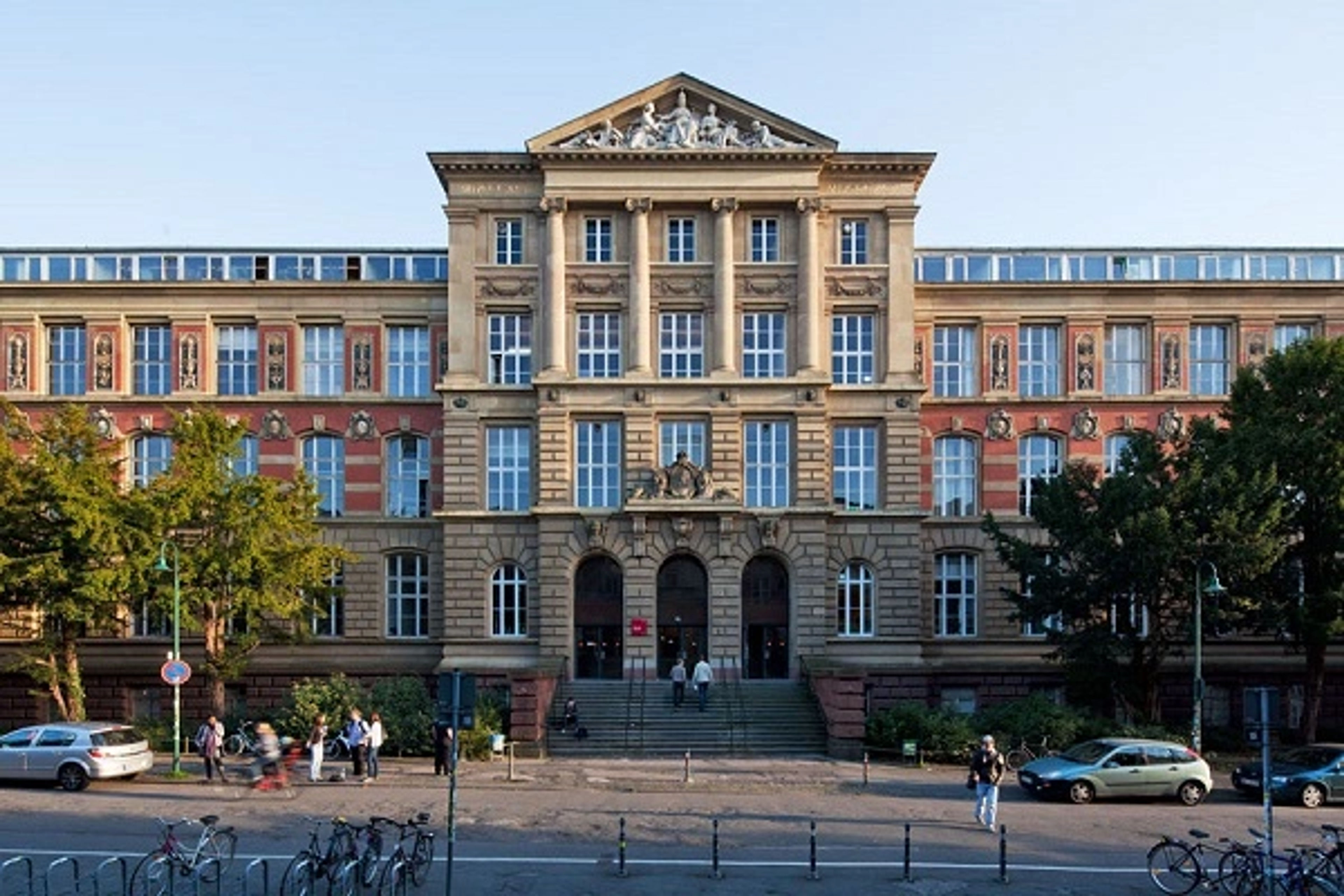
Technische Universität Berlin Berlin, Germany
Berlin, Berlin, Germany • PublicEUR 721
1st Year Tuition Fees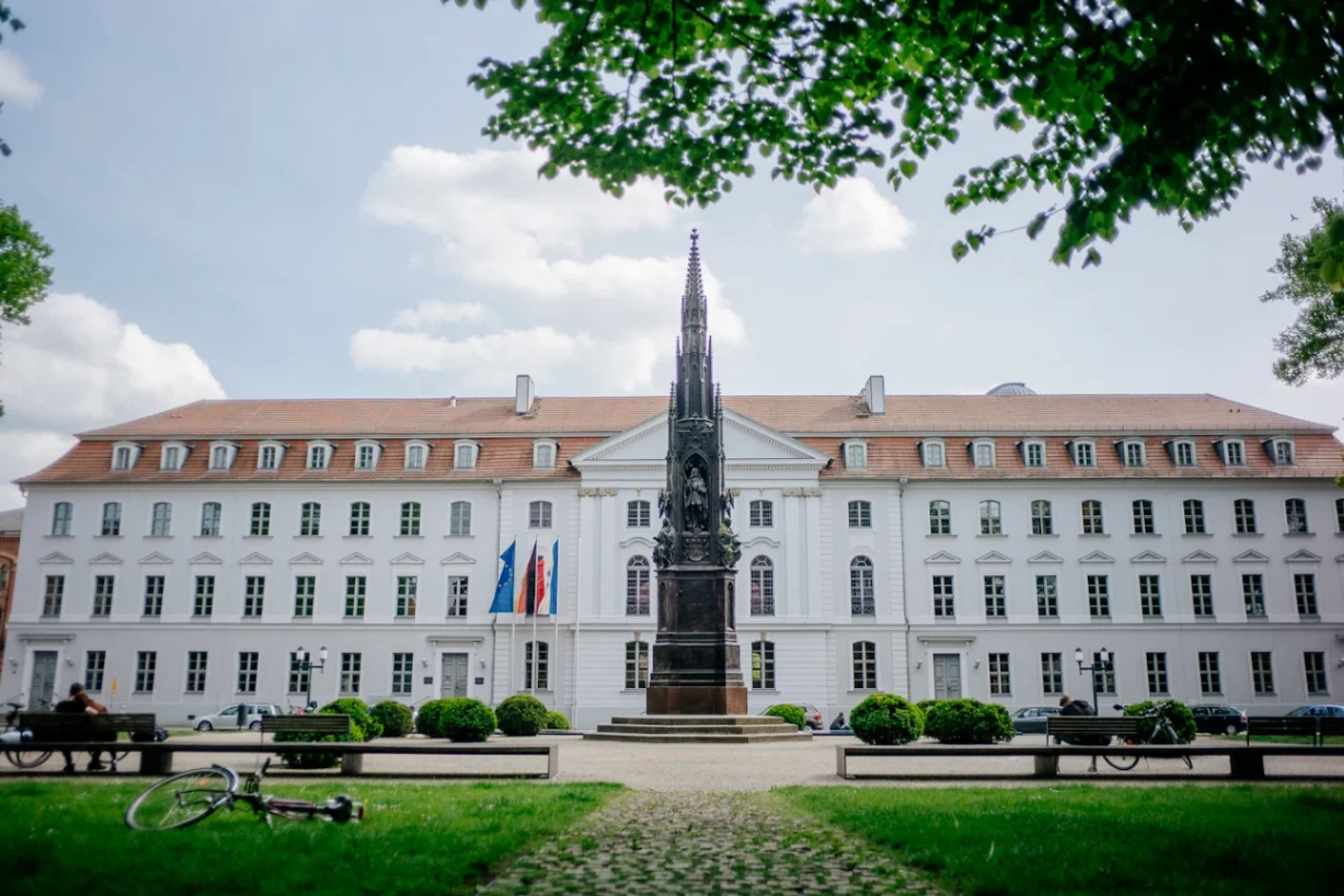
University of Greifswald
Greifswald, Mecklenburg-Vorpommern, Germany • Public
University of Duisburg-Essen Essen, Germany
Essen, North Rhine-Westphalia, Germany • PrivateEUR 700
1st Year Tuition FeesGermany
Guides

India–Germany Higher Education Roadmap: German Universities to Open Campuses in India

MBBS in Germany 2026: Fees, Eligibility, Universities, Admission & Career Scope

Heidelberg University Scholarship 2026: Fully Funded Study in Germany for Indian Students

Engineering in Germany 2026-27 for Indian Students

Masters in Automotive Engineering in Germany: Top Universities, Admissions, Cost of Studying, Scholarships, and Jobs

BTech in Germany: Fees , Top Colleges, Admissions, Placements & Salary
MS in Computer Science in Germany: Top Universities, Admissions, Cost, Scholarships, and Scope

MS in Cyber Security in Germany: Top Universities, Deadlines, Admission Requirements, Fees, Scholarships, Placements

MS in Economics in Germany 2026 – Top Universities, Fees, Eligibility & Jobs

MS in Electrical Engineering in Germany: Top Universities, Admissions, Cost, Scholarships and Job Opportunities
Germany
Cost of Studying in Germany for Indian Students
One of the biggest attractions of pursuing higher education in Germany is the affordability. Yes, the tuition fees in Germany are highly affordable for Indian students. Public universities in Germany generally offer free of cost education with just a semester contribution fee. However, the private universities in Germany charge on an average of €5,000 - €15,000 per year.
Study the table below for the university-wise tuition fees in Germany for Indian students.
University Type | Tuition Fees |
Public University | €0 - €1,000 (mostly free; only semester contribution) |
Private University | €5,000 - €15,000 per year |
☎️ Talk to an Expert Counsellor — FREE Call ☎️ |
|---|
Germany
Study In Germany:Scholarships
Germany provides various scholarships to assist international students financially. The scholarships are also one of the major reasons why International students prefer to study in Germany. These include government-sponsored, university-specific, and other scholarships.
Some of the top scholarships for international students in Germany are tabulated below.
Scholarship Name | Type | Benefits |
DAAD Scholarships | Government-Funded | Monthly stipend, travel allowance, health insurance |
Germany Scholarship (Deutschlandstipendium) | Government & Private | €300 per month |
Erasmus+ Scholarships | EU-Funded | Monthly financial support, travel grants |
Heinrich Böll Foundation Scholarship | Foundation | Monthly stipend + funding for study & research |
Friedrich Ebert Stiftung Scholarship | Foundation | Monthly allowance + health insurance |
RWTH Aachen International Academy Scholarships | University-Specific | Tuition fee support or partial funding |
TU Berlin Scholarships | University-Specific | Financial aid based on merit or need |
☎️ Talk to an Expert Counsellor — FREE Call ☎️ |
|---|
Germany
Cost of Living in Germany
The cost of living is also one of the most important aspects to consider when studying abroad.
Students must be aware of the living cost in Germany along with the cost of studying. This helps to assess the total cost of studying in Germany. Generally, the cost of living depends on the lifestyle and preferences of the students. It covers rent, food, transportation, study materials, internet, and other miscellaneous expenses.
The table given below provides the approximate average cost of living in Germany for Indian students.
Category | Average Monthly Expenses (€) | Average Monthly Expenses (₹) |
Rent | €300 – €700 | ₹25,500 – ₹59,500 |
Food | €150 – €250 | ₹12,750 – ₹21,250 |
Health Insurance | €80 – €120 | ₹6,800 – ₹10,200 |
Transportation | €20 – €100 | ₹1,700 – ₹8,500 |
Telephone/Internet | €20 – €40 | ₹1,700 – ₹3,400 |
Study Materials | €20 – €50 | ₹1,700 – ₹4,250 |
Leisure Activities | €30 – €100 | ₹2,550 – ₹8,500 |
Total | €620 – €1,360 | ₹52,700 – ₹115,600 |
Note: The monthly living costs mentioned in the table are approximate. It may vary depending on the student’s lifestyle.
In final words, Germany is the best and most value-driven study destination for Indian students who want to pursue higher education abroad.
☎️ Talk to an Expert Counsellor — FREE Call ☎️ |
|---|
About the Author
I am Pragati Srivastava, an experienced content writer with over 3.5 years of expertise in crafting high-quality content across various niches, including education, technology, lifestyle, and business. I specialize in creating well-researched, clear, and engaging educational content that helps students make informed decisions about higher education, study-abroad opportunities, and career planning.