


Study in Hungary for Indian Students: Top Universities, Courses, Admission 2026 Fees & Scholarships
Discover Universities, Courses, Eligibility, Scholarships & More
Hungary
Study in Hungary for Indian Students 2026 Overview
Latest Updates:
- The Stipendium Hungaricum scholarship for 2026-27 is the primary scholarship route for international students to study in Hungary.
- Study in Hungary competition for admission has reached historic highs. For the 2025-26 academic cycle, the Stipendium Hungaricum program received a record 80,000 applications, marking a 20% increase from the previous year.
Study in Hungary is immensely popular among international students due to its affordability, high-quality Education in English, and EU and NMC-recognised degrees. As per recent estimates, approximately 10,000 Indian students are currently studying in Hungary. Studying in Hungary, popular courses for Indian students include Medicine, Nursing, and Engineering (Masters/Bachelors in Computer Science). As Hungary positions itself as a cost-effective alternative to Western Europe, we can see a steady increase in the visa grants for Indian students.
MBBS in Hungary for Indian students is globally recognised and taught in English. It requires no separate entrance exam or any tests. The basic eligibility criteria for MBBS in Hungary are to have 55% in PCB (10+2) and a NEET score.
The study in Hungary fees for general medicine range between €15,000 and €17,500 per year; while the fees for engineering and business courses range between €2,500 and €6,000 per year; however, this varies. The cost of living in Hungary is approximately €6,000 to €9,000 per year. Some of the Top Hungarian Universities include:
- University of Debrecen
- Eötvös Loránd University (ELTE)
- University of Gyor
- University of Pecs
- University of Szeged
- University of Miskolc
- Semmelweis University
- Budapest University of Technology and Economics
- Budapest Metropolitan University
Hungary has many prominent medical universities that can offer you Nursing courses. Hungarian universities offer globally recognised Nursing degrees to Indian students, which are more affordable than other European destinations to study Nursing. Nursing in Hungary intakes are usually held in September, and the application deadline is in June or July every year. Nursing tuition fees in Hungary range between €5,000 – €8,100 per year. Students after completing their studies in Hungary are eligible for a 9-month job-seeking visa, allowing them to access the Schengen Labour Market. This SYU expert guide on Study in Hungary will cover the top universities, courses, costs, scholarships, etc.
Study in Hungary: Quick Highlights
The following table shows a quick overview of the study in Hungary courses.
Particulars | Details |
Cost of Studying in Hungary |
|
Cost of Living in Hungary | €6,000 to €9,000 per year |
Part-time Work | 24 hours Per Week |
Post-study Work Visa | 9-Months Study to Work Visa (for job search) |
Top Universities in Hungary |
|
Why Study in Hungary?
Studying abroad is a crucial decision for every student. The following are the key reasons making Hungary a good choice for Indian students to study abroad.

- Affordability: The tuition fees in Hungary are extremely low; for example, General Medicine requires €15,000 - €17,500 per year, and Engineering and Business require €2,500 to €6,000 per year. Added to that, living costs in Hungary range between €6,000 and €9,000 per year. The living costs in cities like Debrecen or Szeged are significantly lower than in Western Europe, making it budget-friendly for Indian students.
- Medicine (MBBS) Opportunities: Hungary is a top destination for medical students. The degrees are recognized by the WHO, EU, and India’s NMC. The top medical universities in Hungary include the University of Debrecen, University of Pécs, Semmelweis University, and University of Szeged. Admission is based on an entrance exam rather than purely on NEET ranks (though NEET qualification is required for practice in India).
- Schengen Access: As a member of the Schengen Area, a Hungarian student visa allows you to travel visa-free to 29 European countries during your holidays.
- Stipendium Hungaricum: This is one of the `world's most generous government scholarship programmes, offering full tuition coverage, a monthly stipend, free dormitory places, and medical insurance to thousands of international students annually.
- Robust Academics: Universities like Semmelweis are world-renowned for health sciences. Hungarian education follows the Bologna Process, ensuring degrees are compatible with standards across the European Union.
- Safety and Culture: Hungary is consistently ranked among the safer countries in the world. It offers a rich cultural history, thermal baths, and a vibrant student life in Budapest.
Top 10 Reasons to study in Hungary
The top 10 reasons for which students can choose to study in Hungary are given below:
- Amazing academic reputation
- Hungarian diploma has a prestige
- Wide choice of degrees
- Welcoming culture
- Cultural attractions
- Hungarians have won 16 Nobel Prizes
- Travel connections
- English language education
- Admission requirements are straightforward
- Affordable costs
Summer Universities Bring Global Perspectives to Hungary
Hungarian universities carry on to enhance their global profile with the help of summer university programmes that have a combination of academic learning, intercultural exchange and professional development. Current initiatives at Corvinus University of Budapest, the University of Pécs, Széchenyi István University, and Ludovika University of Public Service showcase the ways by which these programmes bring together academics, students and professionals globally to collaborate, learn and exchange ideas.
Summer in Hungary for International Students
Summer in Hungary has long days and warm weather. It is a season in which the landscapes, creative spirit and traditions of the country come alive. For global students, June is the start of a period which is filled with cultural imemrsion, exploration and a detailed understanding that makes Hungary unique.
Study in Hungary: Important Websites
The following are some important websites to plan and apply for study in Hungary for 2026.
Purpose | Website |
To know the top universities and All About Studying in Hungary Programs | |
Apply for the scholarship | |
Check if your country is eligible for Stipendium Hungaricum scholarship | |
Calculate budget/expenses |
What is the Education System in Hungary?
The education system in Hungary aligns with the European Bologna Process. The following is the typical education system followed in Hungary.
Study in Hungary: Degree Structure and Duration
The most significant difference for Indian students is the duration of degrees. The table below shows the degree structure and duration in Hungary.
Level/Programme | Features |
Undergraduate (Bachelor’s) | Most BA/BSc degrees take 3 to 3.5 years (6-7 semesters) to complete. |
Postgraduate (Master’s) | Master's degrees typically last 1 to 2 years (2-4 semesters). |
Undivided Master’s (OTM) | Medicine, Dentistry, Pharmacy, and Architecture are often taught as "One-Tier Master" programmes. These last 5 to 6 years and lead directly to a Master's degree equivalent. |
PhD (Doctoral) | Doctoral programmes usually last 4 years (2 years study + 2 years research). |
Note: The One-Tier Master (OTM) system is particularly popular among Indian students pursuing Medicine (MD), as it combines the Bachelor's and Master's phases into a single continuous track.
What are the top universities in Hungary?
The following are the top 10 universities in Hungary based on the QS World Ranking 2026.
Universities | QS World University Rankings 2026 |
University of Debrecen | 563 |
Eötvös Loránd University (ELTE) | 584 |
University of Szeged | 597 |
Budapest University of Technology and Economics | 711 |
University of Pécs | 741 |
Hungarian University of Agriculture and Life Sciences | 1001 |
Széchenyi István University | 1001 |
Óbuda University | 1001 |
University of Miskolc | 1201 |
University of Pannonia | 1201 |
Read More: Top MBBS Universities in Hungary
What are the popular courses to Study in Hungary?
The top universities in Hungary offer most courses in every discipline. However, some of the studies in Hungary courses like medicine and engineering, are highly popular among Indian students. The table below mentions some of the popular courses offered at top universities in Hungary.
Discipline | Top Courses in Hungary |
Medical & Health Science |
|
Engineering & IT |
|
Business & Economics |
|
Natural Sciences |
|
What are the Top-ranked courses in Hungary for international students?
The STEM and Health Sciences courses are amongst the top courses in Hungary for international students. Popular courses in Hungary for Indian students include General Medicine, Dentistry, and Veterinary Medicine. Following closely are Computer Science and International Business. Approximately 40,000+ international students study in Hungary, with a large percentage enrolled in these English-taught programmes.
MBBS in Hungary
Indian students are likely to prefer MBBS in Hungary as a destination to study quality medical education in Europe at relatively low costs. Hungarian medical schools have English-speaking programmes with well-developed facilities, excellent clinical exposure, and a curriculum that is in tandem with the European standards, and hence, the Hungarian medical schools are appealing to international medical students. Graduates attaining this degree can study or practice in other countries because, given the degree, major medical organisations like the National Medical Commission (NMC) of India, the World Health Organization (WHO), and other European agencies recognise the degree.
The MBBS programmes in Hungary are of 6 years, with the academic year beginning in September. The eligibility criteria of Indian students require them to have 10+2 with Physics, Chemistry, and Biology, and a qualifying NEET score; however no requirement of IELTS/TOEFL.
Besides the quality and cost of studies, Hungary offers a secure and friendly atmosphere to students, and there are many scholarship opportunities, such as Stipendium Hungaricum, which are offered to help international students with their costs.
Particulars | Details |
Duration | 6 Years (Including Internship) |
Medium of Instruction | English |
Eligibility | 10+2 (PCB) + NEET Qualification |
Academic Year | Starts in September |
Not Required | |
Recognition | NMC (India), WHO, EU Recognised |
Cost of Living | Affordable compared to Western Europe |
Nursing in Hungary
The nursing program in Hungary provides Indian students with a quality education in healthcare, which is a blend of theoretical and clinical training. The courses are accepted by European and international medical organisations, and in most universities, nursing courses are taught in English to suit the international students.
Go through the highlights of Nursing studies in Hungary given in the following table.
Particulars | Details |
Duration | 4 years |
Top colleges | Eötvös Loránd University, University of Pecs, University of Debrecen, etc. |
Eligibility criteria | 12th pass with 50% from PCB stream |
Entrance exam | Oral or written exam, varying with each university. |
Medium of Teaching | English available |
English proficiency | |
Tuition Fees | €5,000 – €8,100 (Annually) |
Earning potential | €16,000 - €28,000 (Yearly) |
Intake | September |
Nursing Courses in Hungary
The ranking of the best universities in Hungary to pursue nursing as an Indian student is presented in the table below with the name of the program, the duration of the program and the approximate annual tuition fee in the year 2026.
Universities | Program | Yearly Tuition Fees (Estimates) | Eligibility Criteria for Admission |
Eötvös Loránd University | Bachelor of Science in Nursing (BSc Nursing) | €6,300 – €6,400 | 12th pass with PCB; English proficiency |
University of Szeged | Bachelor of Science in Nursing (BSc Nursing) | €7,000 | 12th pass in science; English proficiency |
University of Pécs | Bachelor of Science in Nursing (BSc Nursing) | €5,800 – €6,600 | 12th pass with science subjects; English proficiency |
University of Debrecen | Bachelor of Science in Nursing (BSc Nursing) | €6,300 – €6,400 | 12th pass with PCB; English proficiency |
Semmelweis University | Bachelor of Science in Nursing (BSc Nursing) | €8,100 | 12th pass with PCB; English proficiency |
University of Miskolc | Bachelor of Science in Nursing (BSc Nursing) | €5,000 | 12th pass with science subjects; English proficiency |
Nursing in Hungary: Important Dates
The important upcoming events related to nursing in Hungary include the application to the courses and the intake process. Below are the tentative dates for nursing admissions in Hungary for Indian students.
Events | Tentative Dates |
Nursing in Hungary application deadline | June - July 2026 |
Fall Intake | September 2026 |
What are the key features of studying MD (Medicine) in Hungary?
The Medical degree in Hungary is a 6-year undivided programme taught entirely in English. It includes clinical practice in hospitals. Degrees from Semmelweis, Debrecen, Szeged, and Pécs are automatically accepted in the EU and recognized by the NMC (India), GMC (UK), and USMLE (USA). The tuition fee averages €16,000 per year, which is significantly lower than private medical colleges in India or universities in the UK/US.
How to get admission in the Medicine courses in Hungary?
The following is the step-by-step process to apply for the MD course in Hungary.
- Research the University: Select your preferred universities (e.g., Debrecen, Semmelweis).
- Check Eligibility: You typically need 10+2 with Physics, Chemistry, and Biology.
- Entrance Exam: Unlike the UK/USA where applications are document-heavy, Hungary requires you to pSecond-largest
What are the top destinations to study in Hungary?
Budapest is the most popular city in Hungary for studying. The table below shows some of the popular cities in Hungary based on the QS World Ranking.

City | Key Feature |
Budapest | The Capital, hub of culture, ELTE, Semmelweis, and Corvinus are here. |
Debrecen | Second-largest city, huge international student community. |
Szeged | A sunny, safe "University Town" atmosphere. |
Pécs | A historic city with a Mediterranean feel and the oldest university. |
Study in Hungary: Admission Intakes
There are generally 2 admission intakes available for studying in Hungary for international students. The following are the key intake sessions for study in Hungary.
Intake | Application Deadline |
Fall / September Intake | January – February (apply by Jan/Feb) |
Spring / February Intake | October – November (varies by university) |
What is the admission timeline for studying in Hungary?
The September intake is the key intake for admission to top universities in Hungary. The following is the timeline of the September intake in Hungary.
Month / Period | Process / Stage | Details |
|---|---|---|
November – January | Applications Open | University applications begin; major scholarship applications (especially Stipendium Hungaricum) open during this period. |
15th January | Scholarship Deadline | Last date to apply for the Stipendium Hungaricum Scholarship. |
February – April | Entrance Exams | Online or center-based entrance exams and interviews are conducted by universities. |
May – June | Results & Offer Letters | Universities announce results and issue Admission/Offer Letters to selected candidates. |
July – August | Visa Process | Students apply for a Hungary student visa (processing time: 3–6 weeks). |
September | Arrival & Orientation | Students arrive in Hungary and attend university orientation programs before classes begin. |
How to apply for Stipendium Hungaricum 2026 for studying, in Hungary?
To apply for the Stipendium Hungaricum scholarship, students have to follow a two-step process. The most common mistake students make is applying only on the Hungarian website and forgetting their home country’s specific requirements. The application for Stipendium Hungaricum scholarship 2026 is open and typically closes around January 15th 2026. The following is the process for applying for the scholarship.
What is the double application requirement for Stipendium Hungaricum scholarship?
You must submit two separate applications to be considered for the Stipendium Hungaricum scholarship.
- Hungarian Government: Through the Stipendium Hungaricum official portal.
- The Home Country Authority or Sending Partner: Example MoE (Ministry of Education) or UGC in India.
Stipendium Hungaricum Scholarship 2026: Step-by-step Process
The following is the step-by-step process to apply for the Stipendium Hungaricum scholarship for 2026/27.
Step 1: Check Eligibility: Check for the study fields available for your country. For example some countries only send students for STEM courses while some allow for Humanities.
Step 2: Register on Online System: Visit the application portal and create an account.
Step 3: Upload Documents: Upload all the required documents. The following are the documents required for Stipendium Hungaricum scholarship.
- Motivation Letter
- Language Proficiency Certificate
- School Certificates
- Academic Transcripts
- Passport
- Medical Certificate
Step 4: Submit Application to Sending Partner: While applying on the Hungarian website apply with your sending partner as well. Follow their instructions to submit a duplicate application or a ‘statement of intent.
Step 5: Wait for the Selection: If the application passes the technicalities and you are nominated by the home country, Hungarian Universities will directly contact you.
What are the Top Exams for Admission to Universities in Hungary?
Here is a list of Top Exams in Hungary:
- University Entrance Exams: The most critical exam for Medicine/Engineering. Conducted by the universities themselves (Biology/Chem/Maths).
- IELTS/TOEFL: Proof of English proficiency. Note: This is often waived if the student passes the University's oral entrance interview or if their previous education was in English.
Disadvantages of Studying in Hungary
Studying in Hungary has gained popularity among Indian students due to its affordability and Stipendium Hungaricum Scholarship. But with a number of benefits, there are distinct challenges students often face after enrolling in a Hungarian University. Based on the experiences of the international students, the following are the primary disadvantages of studying in Hungary.
- Language Barriers: Hungarian (Magyar) is one of the most difficult languages in the world to learn. While most of the young people in Budapest speak English, older ones and those in remote locations frequently do not. This often makes many simpler tasks like paying bills and visiting clinics more difficult than you can think. Further, you may find yourself trapped in an International Students Bubble, unable to connect with the culture.
- Red Tapism: Hungarian administration is famous for being slow and paper-heavy. This makes it difficult for international students to obtain and renew even a residence permit. While International students have insurance, navigating the public healthcare system in Hungary is difficult. Wait time is often long, and finding English-speaking staff in a Hungarian public hospital is often difficult.
- Financial Reality: Hungary has faced significant inflation recently. Because of this, the cost of groceries and rent has increased a bit. So, the budget you read online from “2020” might be totally insufficient today in 2026. Furthermore, finding a job in Hungary for international students is very difficult. Even if you find a job the wages are very low.
- Academic Inconsistencies: Some of the international students in Hungary feel that the English-taught programs are watered-down than their Hungarian counterparts. There is a perception among students that some universities treat international programs primarily as a revenue source. Further, Hungarian academic culture heavily relies on self-study.
Study in Hungary for International Students: Visa Requirements
To enter Hungary for studies, non-EU citizens need a Residence Permit for Studies (D-Type Visa). You must have an acceptance letter, proof of payment of tuition fees, and proof of financial sustainability.
The visa application fee is approximately €110 (paid in local currency equivalent). Processing takes 15 to 30 days.
What is the step-by-step process to apply for the Hungarian student visa?
The following is the step-by-step process to apply for a student visa in Hungary.
Step 1: Receive the Final Acceptance Letter from the university.
Step 2: Pay the tuition fee (at least the first semester/year) to receive payment confirmation.
Step 3: Secure accommodation (dormitory certificate or rental contract) – mandatory for visa.
Step 4: Purchase comprehensive health insurance.
Step 5: Book an appointment at the VFS Global or Hungarian Consulate in your country.
Step 6: Submit documents (Bank statements showing approx €9,000, Passport, Academic records).
Step 7: Attend the visa interview.
What are the post-graduate work visa opportunities for international students in Hungary?
International students who graduate from a Hungarian university are eligible for the "Study-to-Work" Residence Permit.
- Duration: 9 months.
- Purpose: To find a job relevant to your degree or start a business.
- Requirement: You must apply for this before your student residence permit expires. Once you find a job, you switch to a standard Work Permit/EU Blue Card.
Students Life in Hungary
Life outside the classroom is actually where the real magic happens in Hungary.
You might think you are coming here just for the degree, but the student life is going to be the thing you remember most. It is very vibrant and affordable compared to Western Europe. Most international students say they didn't expect to have this much fun on a budget.
If you are in Budapest, your social life will probably revolve around the "ruin bars." These are basically old, abandoned buildings turned into very bars with mismatched furniture and crazy art. Szimpla Kert is the famous one, you have to go at least once. But it's not just drinking. In spring and summer, everyone just sits by the Danube River. You grab a slice of pizza or a drink and just watch the sunset; it is completely free, and the vibe is unmatched.
For students in Debrecen, it is a bit different but still cool. You have the Great Forest Park (Nagyerdei Park) right next to the university. It’s huge. Students go there to jog, study or just hang out at the Water Tower, which is actually a bar now. In Szeged, they call it the "City of Sunshine" for a reason. The whole town feels like a big campus, everything is within walking distance, and the nightlife is very centered around student clubs like JATE Club.
Affordable Student Life
There are a lot of reasons why students choose to study in Hungary, in which its universities are considered to be a top destination for foreign students. The education quality is high, and Hungary provides affordable tuition fees. Moreover, the universities are situated in beautiful cities with a lot to provide in terms of history and culture. Budapest is the capital of Hungary, is a specifically popular destination and is a home to most of the world-renowned universities.
Is Hungary Affordable for Students?
This is the best part. You don't need to be rich to enjoy student life in Hungary.
- Food: You can get a huge slice of pizza for like 1 euro. The university canteens offer lunch menus for very cheaply, maybe 3-4 euros for a full meal.
- Transport: Public transport is amazing. As a student, you get a huge discount. A monthly pass in Budapest is super cheap; you can ride the tram, metro, and bus as much as you want.
- Fun: Movie tickets, gym memberships, and entry to clubs are way cheaper than in UK or Germany.
- Weekends and Travel: Hungary is in the middle of Europe, so travel is easy. But you should explore the country first. You can take a train to Lake Balaton on the weekend.
Basically, the lifestyle is very chill. People study hard, yes, but they also know how to relax. You will find friends from all over the world because the international community is huge now. Just be open to trying the local food like Lángos (it's fried dough with cheese and sour cream, very unhealthy but delicious), and you will fit right in.
Job Reality in Hungary
After completing studies in Hungary. The flashy brochures will tell you "High Demand for English Speakers!" but reality on the ground in 2026 is complicated. It is not impossible, but it is not a cake walk either.
Do English-speaking Candidates Get Hired in Hungary?
First big shock for many students. You think that because Budapest is an international city, you can survive with English only. But finding a good job in Hungary is harder.
In 2024 and 2025, we see a shift. Before, Service Centers (SSCs) were hiring everyone with a pulse who spoke English. Now? They prefer you speak English + German, French, or Dutch. If you only speak English, you are fighting with 500 other international students for the same position. Start learning Hungarian. Even a basic A2 level makes the HR lady smile at you instead of tossing your CV in the trash.
Can I Get a Job in Hungary Easily?
Recruiters in Hungary are famous for "ghosting". You do an interview, you feel good, they say "we'll call you next week"... and then silence. Forever. Do not take it personally. It is just how it works here. Keep applying.
Some of the top working fields in Hungary are mentioned below.
- IT & Engineering: Always hiring. If you are a Python developer or an Electrical Engineer, you can get a job in Hungary very easily. You can even demand money.
- Customer Service / SSC: Still the biggest employer for foreigners. But very boring work.
- Teaching English: Possible, but pays very less. Good for side money, bad as a career option in Hungary.
Is it Very Difficult to Get a Visa in Hungary?
The rules for work visas in Hungary changed in January 2025. It is stricter now.
- For Graduates: Good news is you still have the "Job-seeking residence permit". This gives you 9 months after graduation to find work. Do not forget, you must apply for this 15 days before your student card expires! If you miss this date, you are in trouble.
- Guest Worker Quota: The government capped the "guest worker" permits at 35,000 for 2025. This means companies are more picky. They don't want to do paperwork for junior roles unless you are really special.
- The Golden Ticket: If you have high skills (IT, Engineering, Research), ask for the "Hungarian Card". It is much better than normal work permit—easier for family to join you later.
Salary in Hungary vs. Cost of Living
A "fresh graduate" salary in a corporate job might be around 450,000 to 600,000 HUF Gross (this is before tax). But, a decent one-bedroom flat in Budapest (not crumbling down, not in the middle of nowhere) is easily 200,000 - 250,000 HUF plus utilities.
After tax (33.5% goes away), you might have just enough to pay rent, and buy food & drinks. Saving money is very hard in first 1-2 years. You live paycheck to paycheck.
13
Universities
570 EUR
Cost of Living
24
Work permit duration
37500
International Students
Hungary
Top Universities in Hungary
Hungary hosts several top universities renowned for affordability and quality studies. Some of the top-ranked universities and their popular courses are listed in the table below.
Universities | Location | Popular Courses |
Debrecen | Mechanical Engineering, Civil Engineering, and Chemistry. | |
Eötvös Loránd University (ELTE) | Budapest | Economics, Education and Psychology, Humanities, Informatics, Law, Science, and Social Sciences. |
University of Szeged | Szeged | Medicine, Dentistry, Business and Economics, and Agricultural and Engineering programs. |
Semmelweis University | Budapest | General Medicine, Pharmaceutical Sciences, Dentistry, Nursing, Dietetics, Optometry, Physiotherapy, Midwifery, Public Health, and Health Tourism Management |
Budapest University of Technology and Economics | Budapest | Computer Science, Chemical Engineering, Mechanical Engineering, Applied Mathematics, and Finance. |
University of Pécs | Pécs | Business Administration, Psychology, Architectural Engineering, Civil Engineering, Nursing, and Biotechnology. |
Hungarian University of Agriculture and Life Sciences | Gödöllő | Agricultural, food, Environmental Engineering, Animal Husbandry, Food Science, Tourism and Hospitality, And Agribusiness Management. |
Széchenyi István University | Győr | Mechanical, Electrical, And Vehicle Engineering. |
Óbuda University | Budapest | Computer Science, Cybersecurity, and Robotics. |
Miskolc | Mechanical Engineering, Computer Science Engineering, and Hydrogeological Engineering, as well as programs in Materials Engineering, Environmental Engineering, and Nursing. | |
University of Pannonia | Veszprém | Business Administration, Engineering, and Data Science. |
Győr | Engineering (Especially Vehicle, Civil, and logistics), Business and Economics, and Arts and Humanities. | |
Budapest Metropolitan University | Budapest | Tourism and Hospitality Management, Media and Communication Studies, and Design. |
Dont Miss:Top Nursing Colleges in Hungary


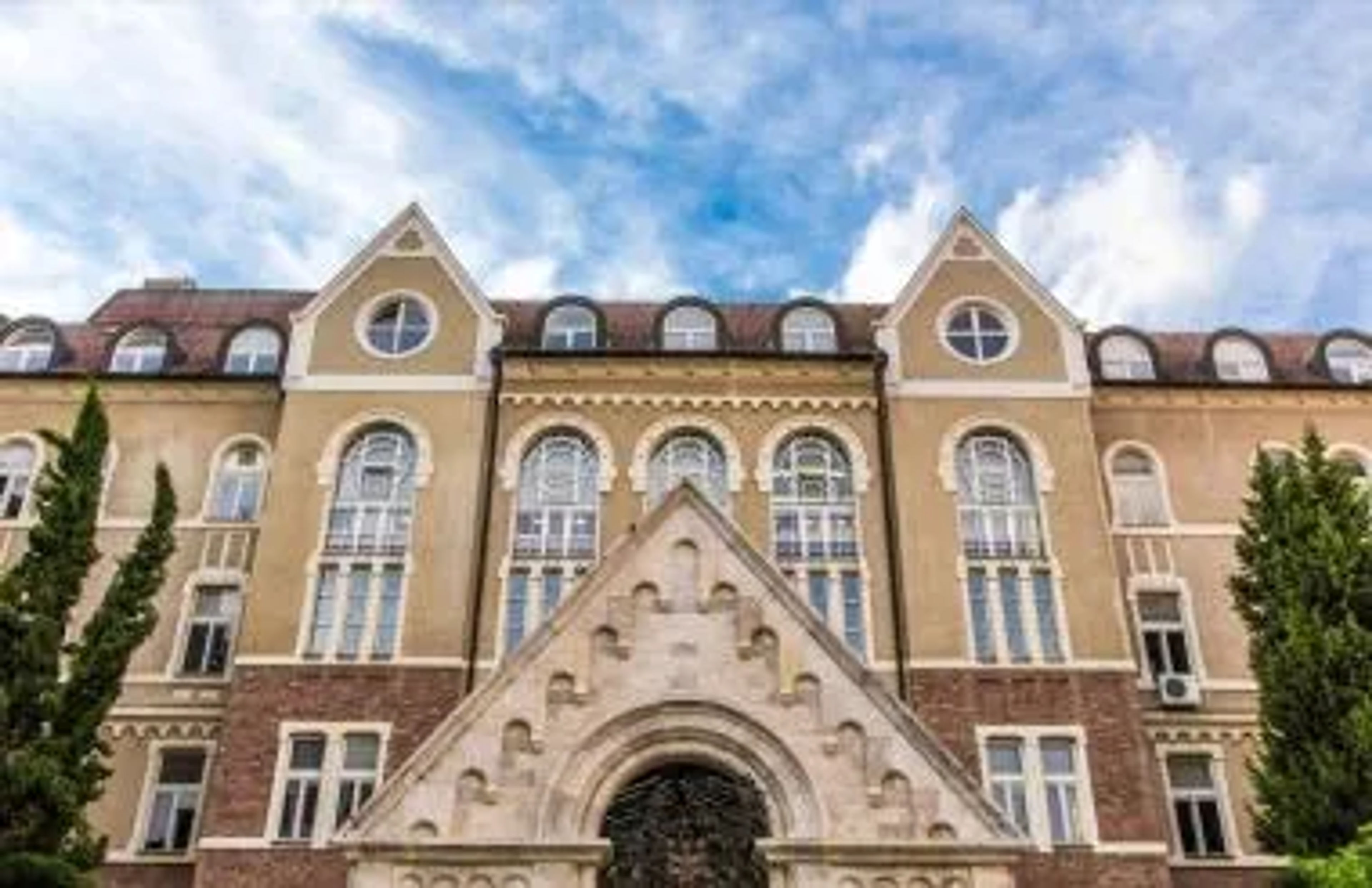
University of Pecs
Budapest, Central Hungary (Közép-Magyarország), Hungary • Public


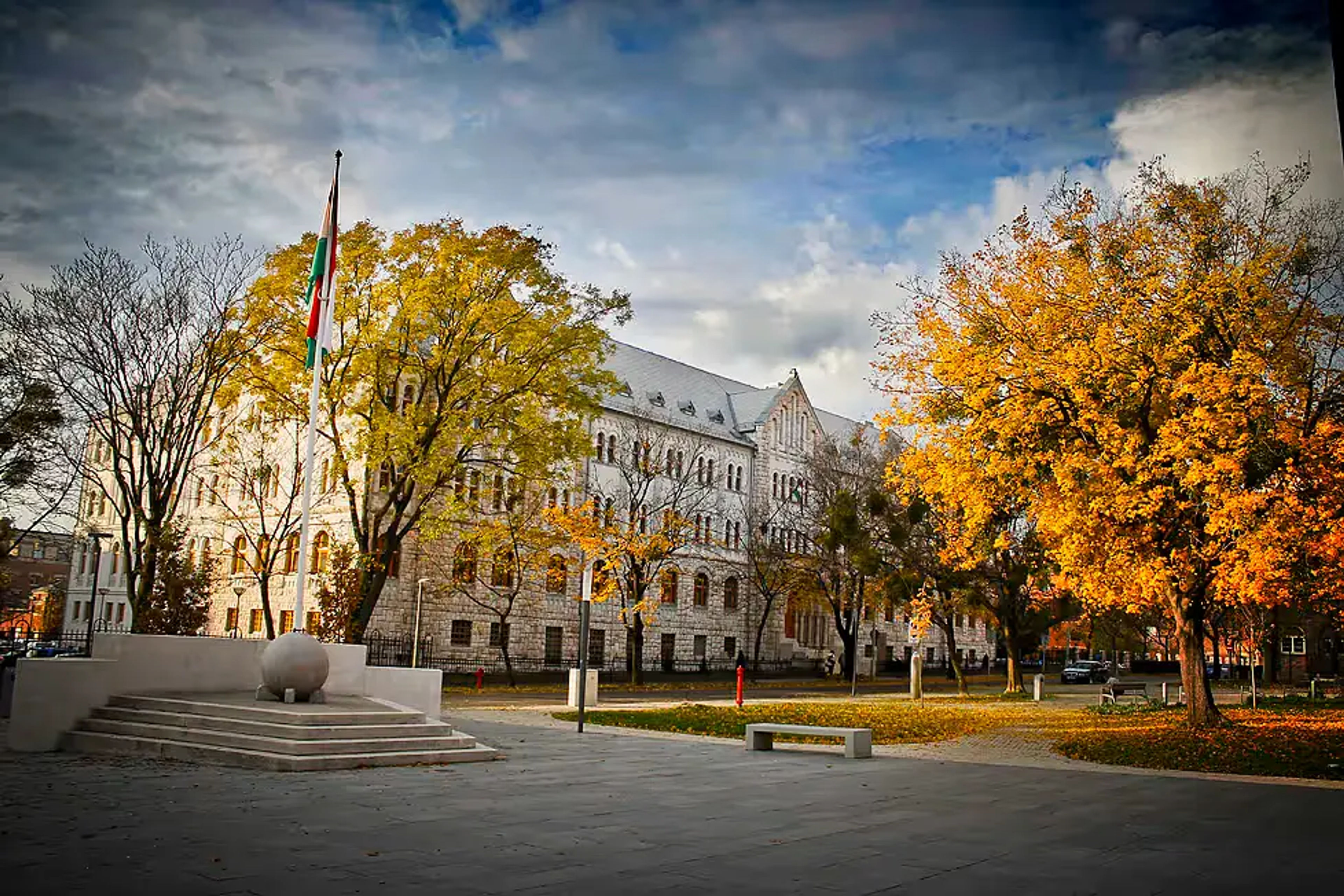
University Of Debrecen
Debrecen, Northern Great Plain (Észak-Alföld), Hungary • Government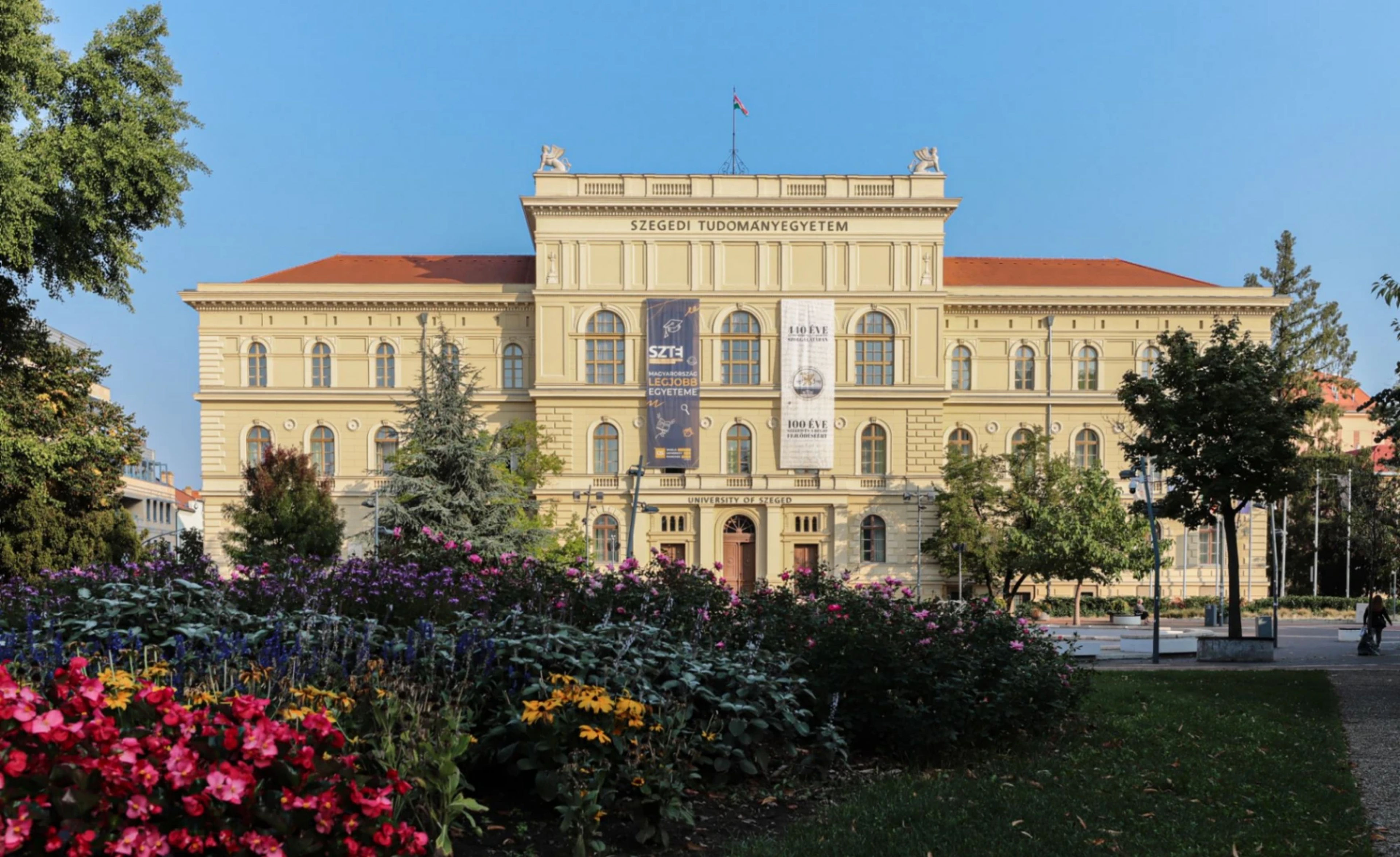
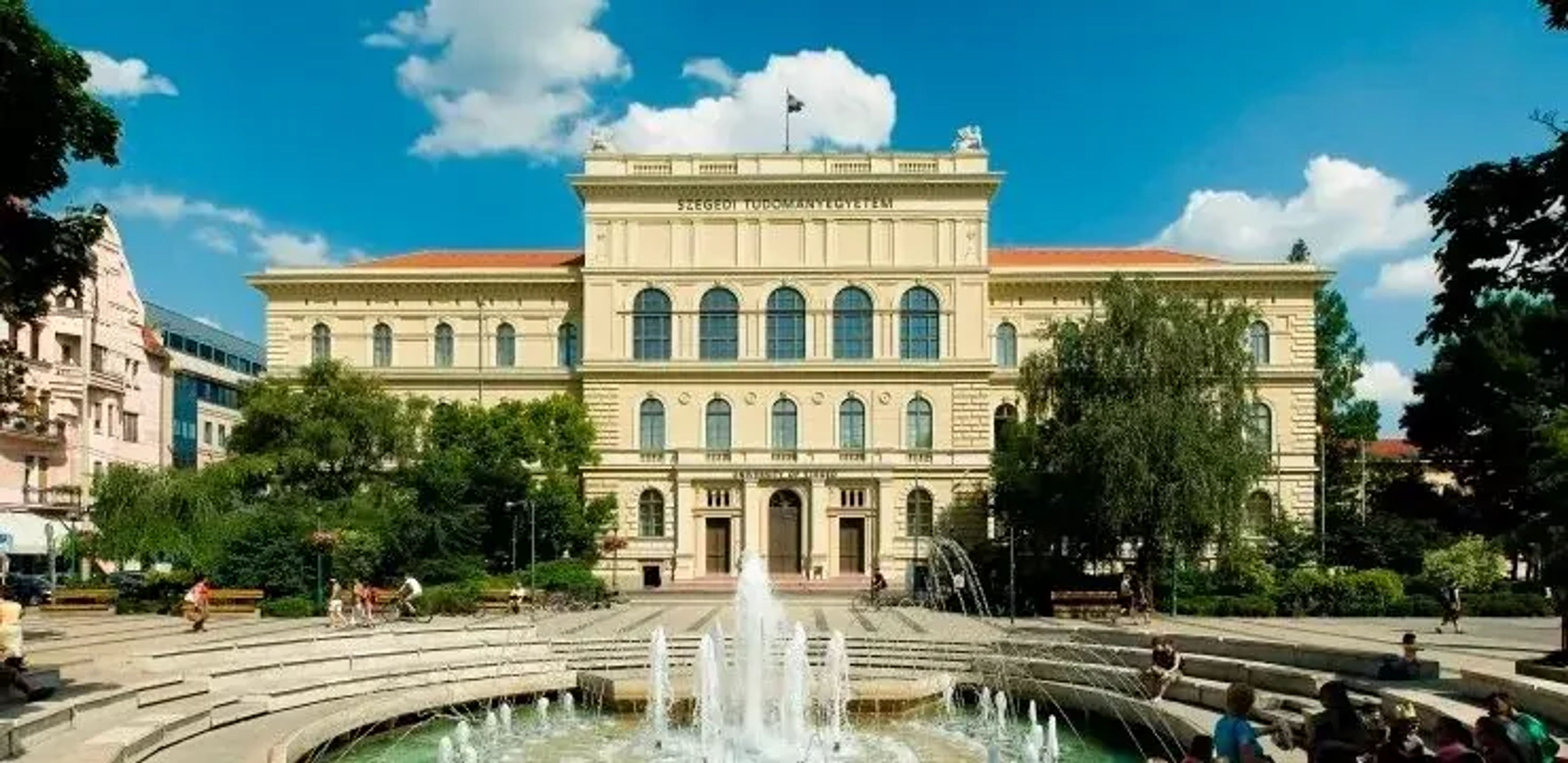
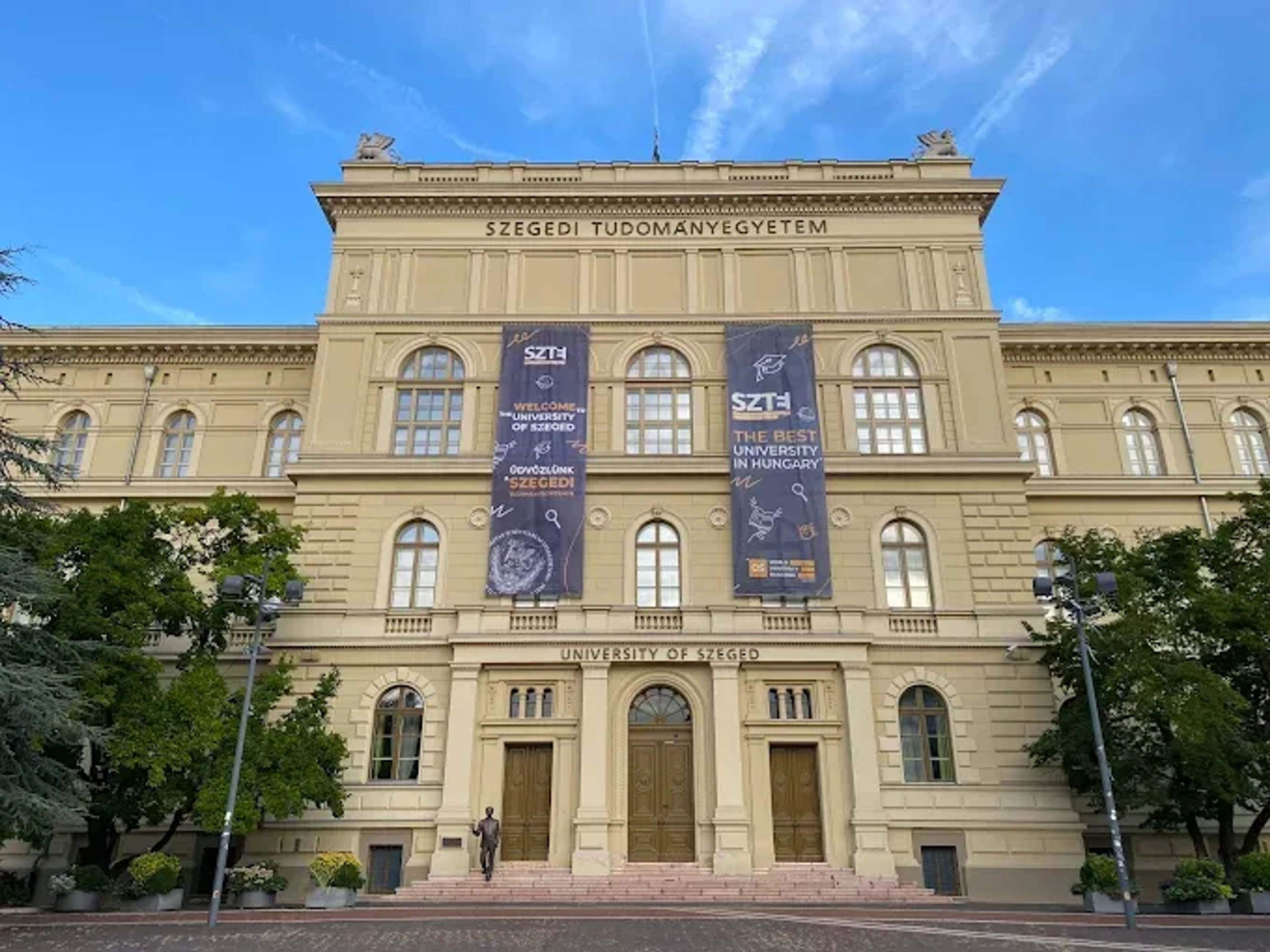
University of Szeged
Budapest, Central Hungary (Közép-Magyarország), Hungary • Public
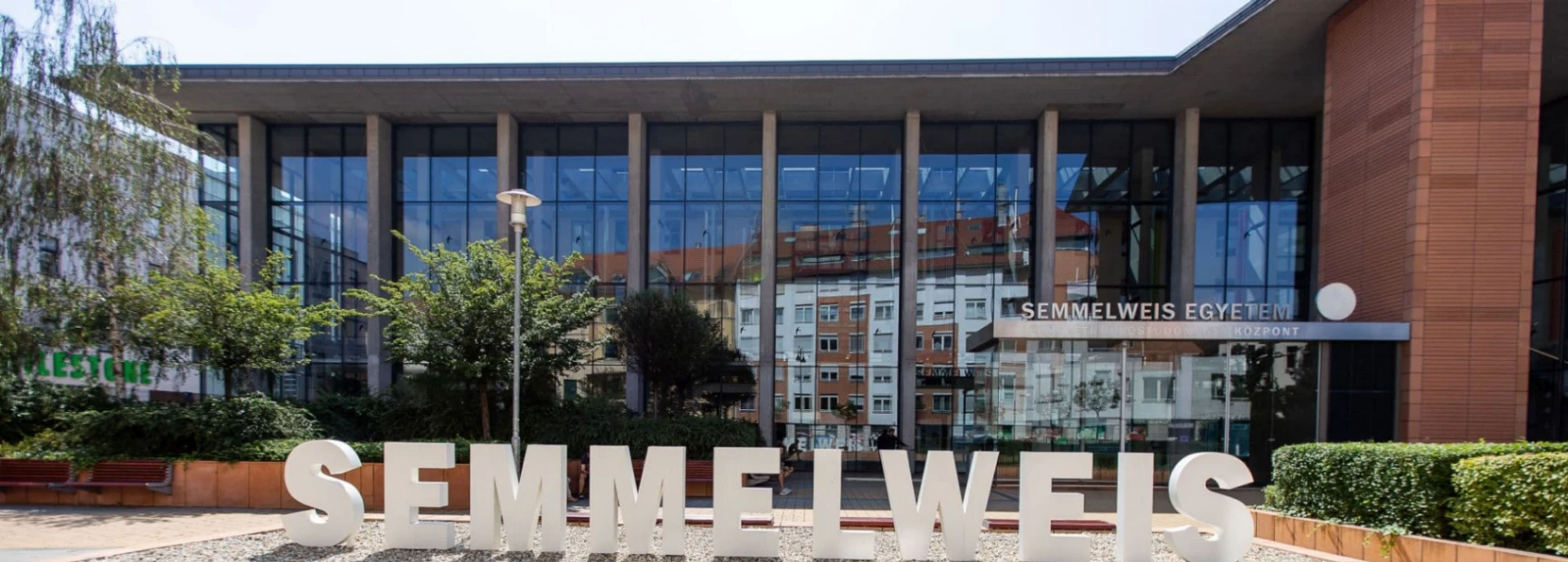
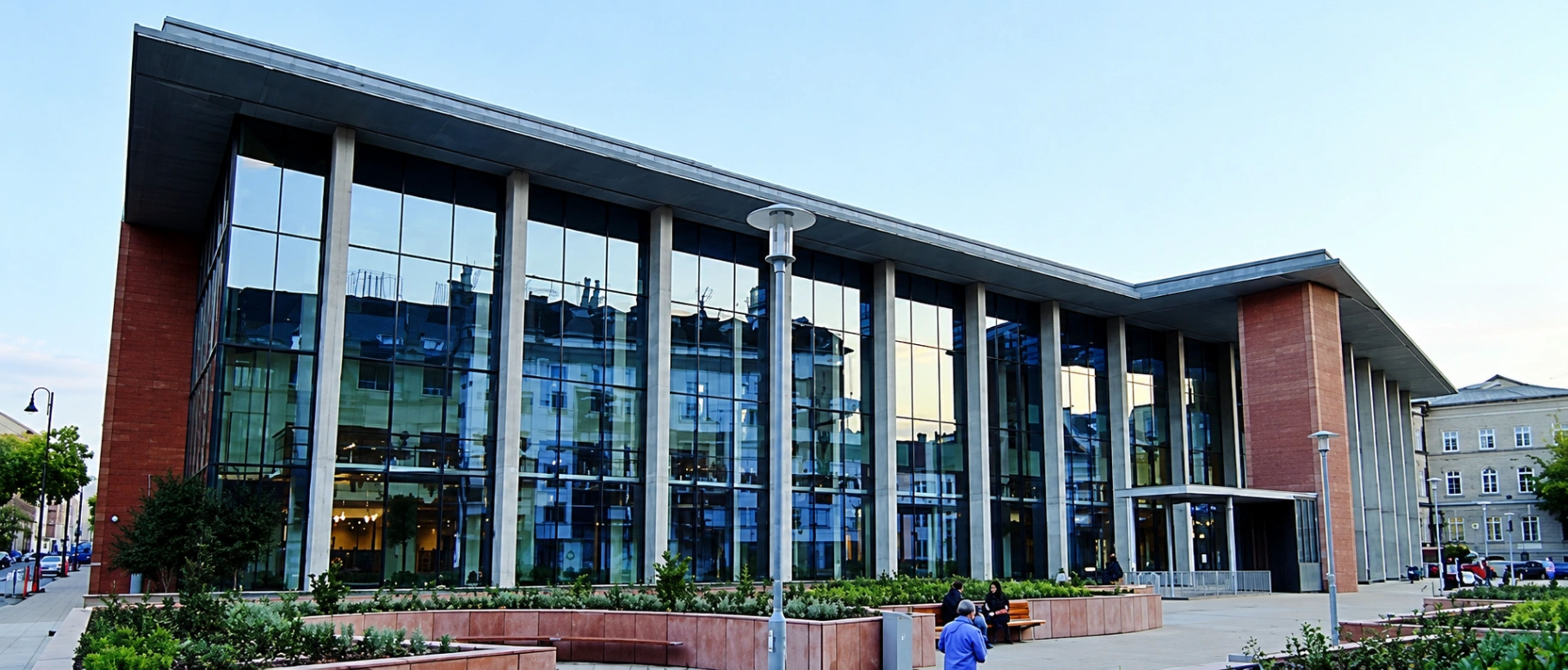
Semmelweis University
Budapest, Central Hungary (Közép-Magyarország), Hungary • PublicUSD 4,600
1st Year Tuition FeesHungary
Guides

MBBS in Hungary 2026: Fees, Eligibility, Top Universities & Admission Process 2026

Top Nursing Colleges in Hungary for Indian Students: Courses, Fees, Admissions 2026,Placements

Nursing in Hungary 2026: Fees, Eligibility, Top Colleges, Admission & Career Scope

Stipendium Hungaricum Scholarship 2026: Eligibility, Benefits, Dates, Courses & How to Apply
Hungary
Cost Of Studying in Hungary
The study in Hungary is highly affordable compared to Western Europe. For instance, the annual tuition fees for non-medical degrees range between €2,500 and €6,000, while those for a medical degree are between €15,000 and €17,500. The table below shows the cost of studying in Hungary for different programs.
Course Type | Annual Tuition Fees |
Business & Arts | €2,500 - €4,500 |
Engineering & IT | €3,500 - €6,000 |
Medicine (MBBS/MD) | €15,000 - €17,500 |
Nursing | €5,000 – €8,100 |
Dentistry | €16,000 - €17,000 |
Pharmacy | €8,000 - €10,000 |
What are the Different Components of the Cost of Studying in Hungary?
The following are the various components of the cost of studying different courses in Hungary.
Cost Components | Details |
Tuition Fees | Paid annually or per semester. Medical courses require higher fees. |
Application & Exam Fees | Universities charge a non-refundable application fee (€150) and an Entrance Exam fee (€250-€350). |
Living Expenses (Maintenance Funds) |
|
Health Insurance | Mandatory for a visa. Approx €200-€300 per year (if not covered by the university). |
Hungary
Cost of Living in Hungary 2026
The following table shows the cost of living in Hungary for international students.
Expense Category | Budapest (Monthly) | Rest of Hungary (Monthly) |
Rent (Accommodation) | €300 – €600+ | €150 – €350 |
Groceries & Food | €150 – €250 | €120 – €200 |
Transport | €8.50 (Student Pass) | €5 – €12 |
Utilities (Gas/Elec/Net) | €80 – €140 | €60 – €100 |
Mobile Phone | €10 – €25 | €10 – €25 |
Personal & Leisure | €100 – €200 | €60 – €120 |
Study Materials | €15 – €35 | €10 – €30 |
Total Estimated | €663 – €1,258 | €415 – €837 |
Hungary
Hungary Scholarships for Indian Students
To mitigate the cost of studying in Hungary, various scholarships are available for international students. Hungary offers excellent financial aid, most notably the Stipendium Hungaricum. The table below shows the top study in Hungary for international students.
Scholarship Name | Details |
Stipendium Hungaricum |
|
Hungarian Diaspora Scholarship |
|
Erasmus+ |
|
Bilateral State Scholarships |
|
Check: Stipendium Hungaricum Scholarship 2026: Eligibility, Benefits, Dates, Courses & How to Apply
Is there any education loan to study in Hungary?
Yes, Indian students can get education loans for studying in Hungary through Indian banks and financial institutions that offer education loans for studying abroad.
How can Indian students get an education loan to study in Hungary?
The following are the key channels through which Indian students can get an education loan to study in Hungary.
- Through Indian banks: Many Indian banks offer education loans for overseas studies. These can be secured or unsecured, and loan amounts can go up to a certain limit, sometimes higher for international education than for domestic studies.
- Through specialized lenders: Companies like HDFC Credila (now part of HDFC) specialize in education loans for studying abroad.
- Using loan assistance services: Some online platforms and consultancies have dedicated financial wings that help students find and apply for suitable education loans.
Dont Miss:Study Abroad Scholarships 2026
Can I work part-time in Hungary to cover my study expenses?
Yes, students can work part-time to cover their expenses to an extent. The following are the allotted working hours for students enrolled in full-time or part-time courses in Hungary.
Term Time | Accepted Working Hours |
In-Term | 30 Hours per week |
Out-Term | Full-time |
Also Check:
Popular Destination to Study Abroad | |
Study in Hungary: FAQs
Ques: How much does it cost to study in Hungary?
Ans: The cost to study courses in Hungary varies by discipline and the university students choose. General Medicine tuition ranges from €15,000 to €17,500 per year, though this varies, while Engineering and Business courses cost between €2,500 and €6,000 annually. Additionally, living expenses are estimated between €6,000 and €9,000 per year.
Ques: Is a Hungary visa free for Indians?
Ans: The Hungarian visa is not free. Non-EU citizens, including Indians, must apply for a D-Type Visa (Residence Permit), which has an application fee of approximately €110. However, this visa grants visa-free travel to 29 Schengen countries during holidays, which is subject to relevant travel documents and applicable Schegen entry and stay requirements.
Ques: Is Hungary expensive for Indian students?
Ans: The country is considered a budget-friendly alternative to Western Europe. Tuition fees are low, and living costs in cities like Debrecen or Szeged are significantly cheaper than in other European nations, making it affordable for Indian students. Students must separately plan their monthly budgets for accommodation, transportation, food, insurance and personal expenses.
Ques: How much is English spoken in Hungary?
Ans: The academic environment is highly English-friendly. Universities offer high-quality education entirely in English, particularly for popular courses like Medicine (MD) and Engineering, catering to over 40,000 international students. English is broadly used in university settings; however, proficiency among the local residents can differ significantly between cities and regions.
Ques: Who can sponsor me to study in Hungary?
Ans: The primary sponsor is the Hungarian Government through the Stipendium Hungaricum scholarship, which covers tuition and provides a stipend. Alternatively, Indian students can self-fund using education loans from Indian banks or specialized lenders like HDFC Credila.
