Study in Bulgaria for Indian Students: Universities, Courses, Costs, Scholarships & Placements
Discover Universities, Courses, Eligibility, Scholarships & More
Bulgaria
Study in Bulgaria Overview
Study in Bulgaria is becoming a popular option for students who want quality education at an affordable cost. Many students from Asia, the Middle East, and Europe study in Bulgaria because many courses are offered in English. Popular bachelor's degrees for bachelor's students studying in Bulgaria are Medicine (MBBS), Engineering, Computer Science, Business, and Arts in Tourism. For master's programs, students can study MBA, MSc IT, MEng, MA and Management programs. The degrees you earn when you study in Bulgaria are recognised worldwide and help you build a successful career.
The cost of studying in Bulgaria is lower than in many other European countries. Most bachelor’s courses for students who study in Bulgaria cost about €1,000–€4,500 per year, while Medicine, Dentistry and Pharmacy are higher, around €6,000–€10,000 per year. Most master’s courses cost about €2,000–€5,000 per year, and medical master’s programs are around €6,000–€9,000 per year. Monthly living expenses for students who study in Bulgaria are usually €450–€750, including room, food and transport. Cities like Sofia, Plovdiv, Varna and Burgas are safe, modern and comfortable for international students.
Top universities to study in Bulgaria include Sofia University, Medical University Plovdiv. New Bulgarian University of National and World Economy (UNWE) and the Technical University of Sofia. These universities offer experienced faculty, modern laboratories and practical, industry-linked training. Students who study in Bulgaria also have opportunities to find jobs or internships in sectors like IT, healthcare, business and tourism.
Study in Bulgaria: Quick Highlights
The table below shows key details for students planning to study in Bulgaria.
Particulars | Details |
Teaching Language | English (most programs) |
Popular Courses |
|
Document Requirement |
|
Scholarships | Some universities offer merit-based or need-based scholarships for international students |
Work Opportunities | Part-time jobs allowed for students; internships available in IT, business, tourism and healthcare |
Why Study in Bulgaria?
Bulgaria is a European country where international students have many opportunities. Here are some reasons to choose to study in Bulgaria:
- High Standard of Education: Universities in Bulgaria have a high educational standard, and they offer degrees that are recognised and valued in Europe. You can study medicine, engineering, business, information technology, and the arts.
- Low Tuition Fees: Tuition fees in Bulgaria are lower than in the majority of Europe.
- Erasmus & Exchange Scheme: Some universities let you spend 1-2 semesters studying or undertaking work experience in another European country.
- Beautiful Country: Bulgaria has mountains, beaches, and cities with plenty to do and see.
- Employment Opportunities: Graduates can find employment in information technology, business, engineering, and tourism. Furthermore, students can also undertake part-time work studies after applying for permits.
- Dual Degree Programs: Some universities offer programs where students graduate with a degree from Bulgaria and a degree from an affiliated university abroad.
- Safety: Bulgaria is a safe country for international students, and it is considered safe.
- Mild Winters and Warm Summers: Winters are mild and summers are hot.
- Degree Programs in English: Many programs are taught in English, so international students can study in English.
- Top Universities: Some of the most-renowned universities are Sofia University, American University in Bulgaria, Varna University of Management, and Medical University Sofia.
- International Degrees: Degrees are recognised in Europe and worldwide.
Study in Bulgaria: Popular Courses
Some popular subjects to study in Bulgaria at the bachelor's and master's level are Medicine, Dentistry, Pharmacy, Engineering, IT and Computer Science, Business and Management, and Tourism and Hospitality. Students wanting to study in Bulgaria are drawn to these subjects as they have good career opportunities in Europe following successful completion of studies, and because Bulgaria offers low fees, quality education, and degrees recognised throughout the EU.
Study in Bulgaria: Bachelor's Courses
Study in Bulgaria Bachelor's Courses are low-cost and available in English in Medicine, Dentistry, Pharmacy, Engineering, IT & Computer Science, Business & Management, and Tourism & Hospitality. Students who study in Bulgaria receive EU-recognised degrees, practical education, and access to jobs in Bulgaria and other European countries.
Courses | Popularity / Why it’s popular |
Medicine | Very popular with international students, strong medical universities and hospital training |
Dentistry & Pharmacy | High demand in healthcare, good European career options |
IT & Computer Science | Growing tech sector, modern skills and good job prospects |
Engineering (Civil, Mechanical, Electrical) | Quality technical education and industry-relevant knowledge |
Business & Management | Industry-focused programs in finance, marketing, and international business |
Tourism & Hospitality | Bulgaria’s tourism (mountains and seaside) gives options for internships and jobs |
Study in Bulgaria: Masters Courses
Master's programs to study in Bulgaria are affordable, and many of these programs are taught in English in disciplines such as Medicine & Health Sciences, Dentistry & Pharmacy, Engineering, IT & Computer Science, Business & Management, and Tourism & Hospitality. Students who study in Bulgaria for their master’s degree receive advanced knowledge and practical education while earning a degree recognised across Europe.
There are plenty of good career opportunities available after completion of the program, either in Bulgaria or in other European countries, for students who study in Bulgaria. The following table provides simple details of popular master’s courses for students to explore while considering studying in Bulgaria.
Courses | Popularity / Why it’s popular |
Medicine & Health Sciences | Very popular for students who study in Bulgaria for advanced medical skills and hospital training |
Dentistry & Pharmacy | Good choice to study in Bulgaria, strong demand in clinical and pharmacy jobs in Europe |
IT & Computer Science | High demand, modern tech skills, and a strong job market in Bulgaria and Europe for those who study in Bulgaria |
Business & MBA | Global business exposure, leadership and management training for students who study in Bulgaria |
Engineering (Various) | Industry-focused learning, practical projects, and good career scope for engineering students who study in Bulgaria |
Tourism & Hospitality | Bulgaria’s tourism sector offers internships and jobs, ideal for students who study in Bulgaria in this field |
What is the Admission Process for Study in Bulgaria?
The table below shows the main steps you need to follow to get admission and study in Bulgaria.
Step | Details |
Pick Course & University | Choose your course and shortlist universities in France. |
Check Requirements | Check marks/grades, English/French level, and any required tests (GRE/GMAT, etc.). |
Prepare Documents | Keep passport, mark sheets, LORs, SOP, CV and language test scores ready. |
Apply Online | Apply through the university website or the Campus France portal. |
Get Admission Letter | If selected, you receive an official admission/offer letter. |
Apply for a Student Visa | Use the admission letter to apply for a French student visa. |
Arrange Housing & Travel | Book accommodation (hostel/flat) and your flight to France. |
Register at the University | After arrival, complete university registration and attend orientation. |
Study in Bulgaria: Documents Required
The following documents are usually needed for university admission and a Bulgarian student visa.
- Passport – Valid for your full stay in Bulgaria.
- Photos – Recent passport-size photos.
- School Certificates – 10th, 12th and college marksheets/degrees.
- Language Proof –
- English course: IELTS/TOEFL (if needed)
- Bulgarian course: Bulgarian language proof (or plan to take language course there)
- Resume – Your education and experience.
- Motivation Letter / SOP – Why you want to study in Bulgaria.
- University Offer Letter – Admission/acceptance letter.
- Money Proof – Bank statement / sponsor letter / scholarship letter.
- Health Insurance – Medical insurance for your stay.
- Other Papers (if asked) – Police clearance, birth certificate, translated documents, visa form, etc.
Top exams for Admission to Universities in Bulgaria
The main exams for university admission in Bulgaria include mainly IELTS, TOEFL, PTE Academic, and the Duolingo English Test to demonstrate the English language. For Medicine and Dentistry, several universities also require some sort of entrance exam in the subjects of Biology and Chemistry. For bachelor's admission, students will need good marks in 12th grade, and there are admission exams for master's programs, where students will need good marks in their bachelor’s degree. The Indian student should also qualify for NEET, based on Indian rules, to study MBBS/Medicine in Bulgaria.
Exams / Requirement | Details |
The most commonly accepted English test for admission to Bulgarian universities. | |
Widely accepted alternative proof of English language skills. | |
Accepted by many universities as another English proficiency option. | |
Online English test; accepted by some institutions as an easy option. | |
Entrance exam (Bio & Chem) | Often required for admission to Medicine and Dentistry programs in Bulgaria. |
12th Grade Marks | Needed for eligibility to bachelor’s programs in Bulgaria. |
Bachelor’s Degree Marks | Main academic requirement for admission to master’s programs. |
NEET (Indian students) | Must be qualified as per Indian rules to study MBBS/Medicine in Bulgaria. |
Study in Bulgaria: Visa Process
The visa process for study in Bulgaria is straightforward if you follow the steps. First, you receive an offer letter from a university in Bulgaria and then you gather all of your documents and apply for a D-type student visa in advance with either the Bulgarian Embassy or VFS. You may be called in for an interview. After your visa is approved, you will be able to travel to Bulgaria and also apply for a residence permit for your Study in Bulgaria.
Particulars | Details |
Receive Offer Letter | Get accepted into a recognised university or college in Bulgaria. |
Gather Documents | Collect passport, photos, academic marksheets, financial proof, health insurance and acceptance letter. |
Submit Visa Application | Apply for a D-type student visa at the Bulgarian Embassy/VFS with forms and visa fees. |
Attend Interview (if required) | If the embassy calls you, attend the interview and explain your study plans and finances. |
Visa Processing | The embassy checks your documents and decides on your visa. |
Travel to Bulgaria | After visa approval, book your ticket and travel to Study in Bulgaria. |
Apply for a Residence Permit | After arriving in Bulgaria, apply for a residence permit for the duration of your course. |
5
Universities
Cost of Living
Work permit duration
International Students
Bulgaria
Top Universities in Bulgaria
This lists some of the best universities that international students attend in Bulgaria. The costs stated are estimated annual starting fees and may vary depending on the course and university.
University Name | City | Fees |
Sofia University St. Kliment Ohridski | Sofia | €2,500 per year |
New Bulgarian University | Sofia | €3,000 per year |
Technical University of Sofia | Sofia | €2,000 per year |
Varna Free University "Chernorizets Hrabar" | Varna | €2,000 per year |
University of Plovdiv Paisii Hilendarski | Plovdiv | €2,000 per year |
Angel Kanchev University of Ruse | Ruse | €2,000 per year |
St. Cyril and St. Methodius University of Veliko Tarnovo | Veliko Tarnovo | €2,000 per year |
American University in Bulgaria | Blagoevgrad | €6,000 per year |
University of National and World Economy | Sofia | €2,000 per year |
Medical University-Varna | Varna | €6,000 per year |

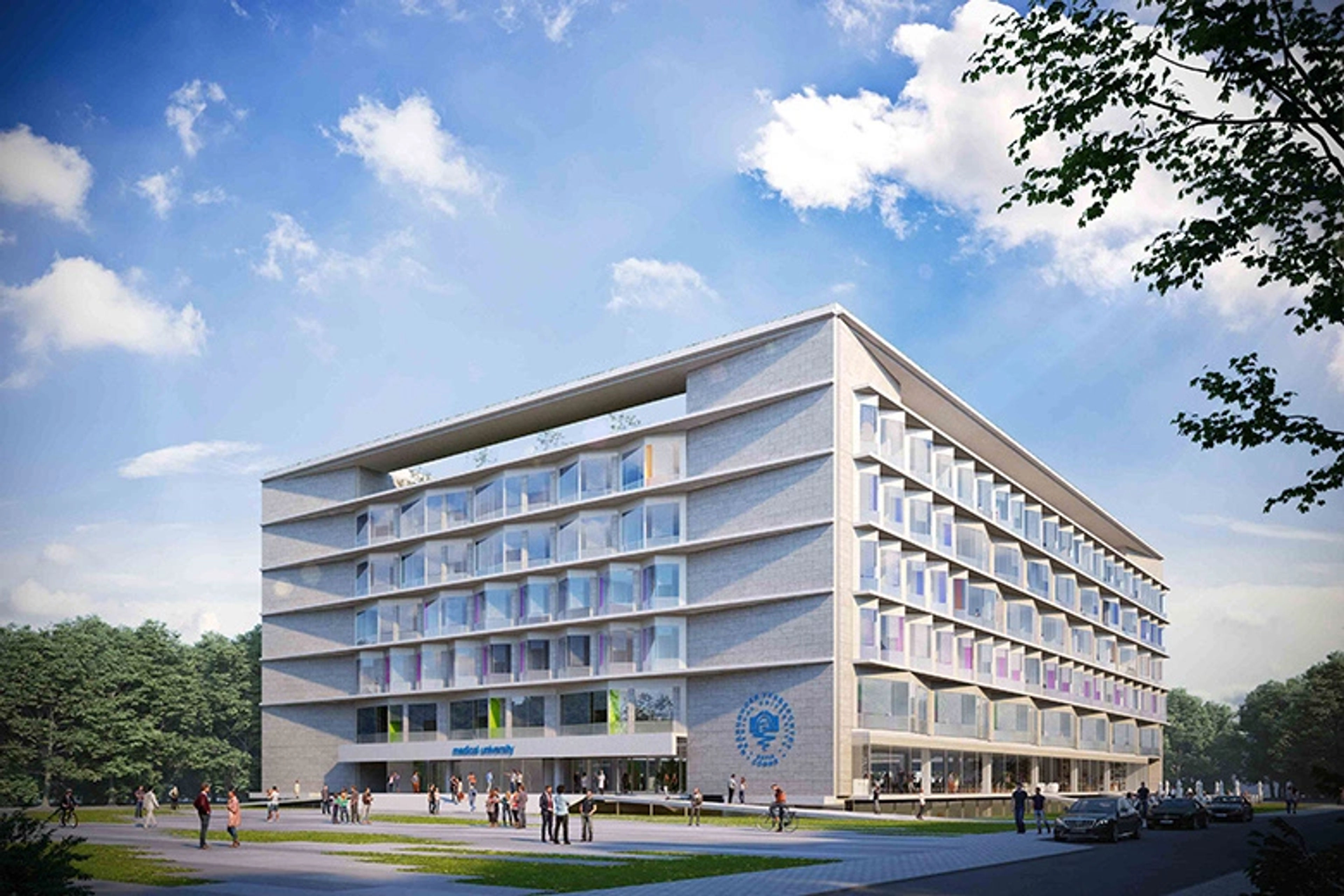
Sofia Medical University
Sofia, Sofia City, Bulgaria • Public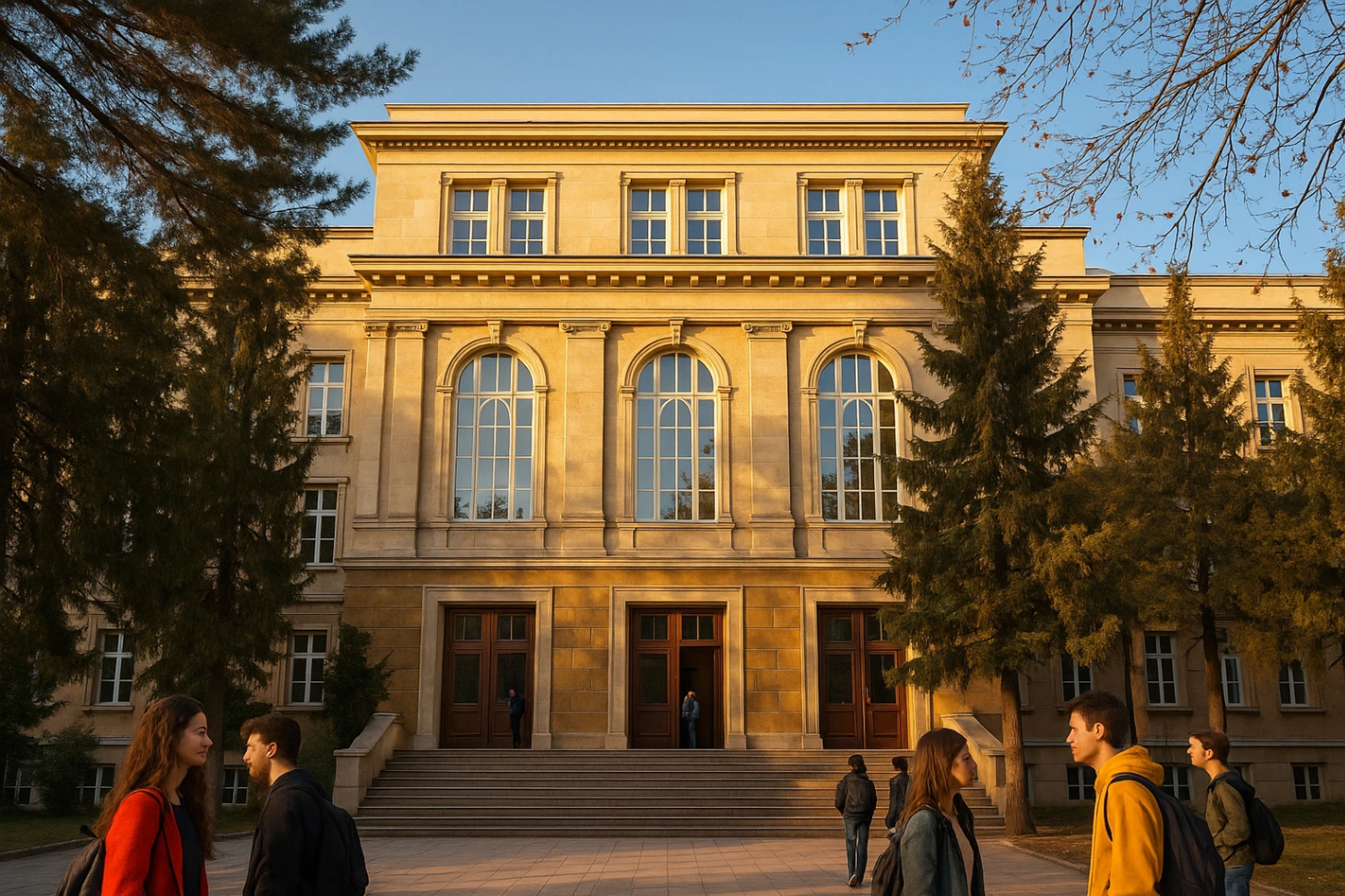
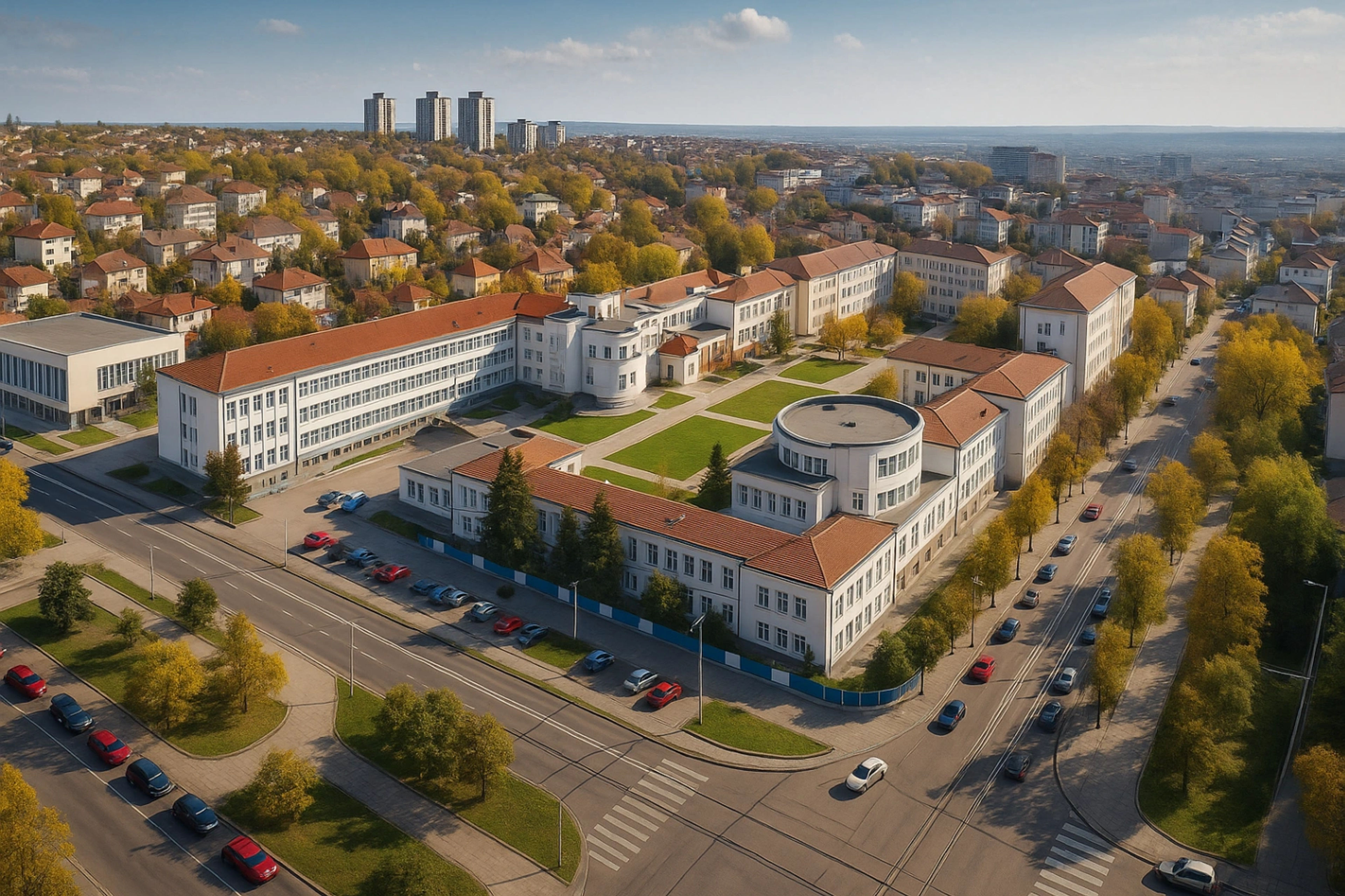
Medical University Of Pleven
Pleven, Pleven, Bulgaria • Public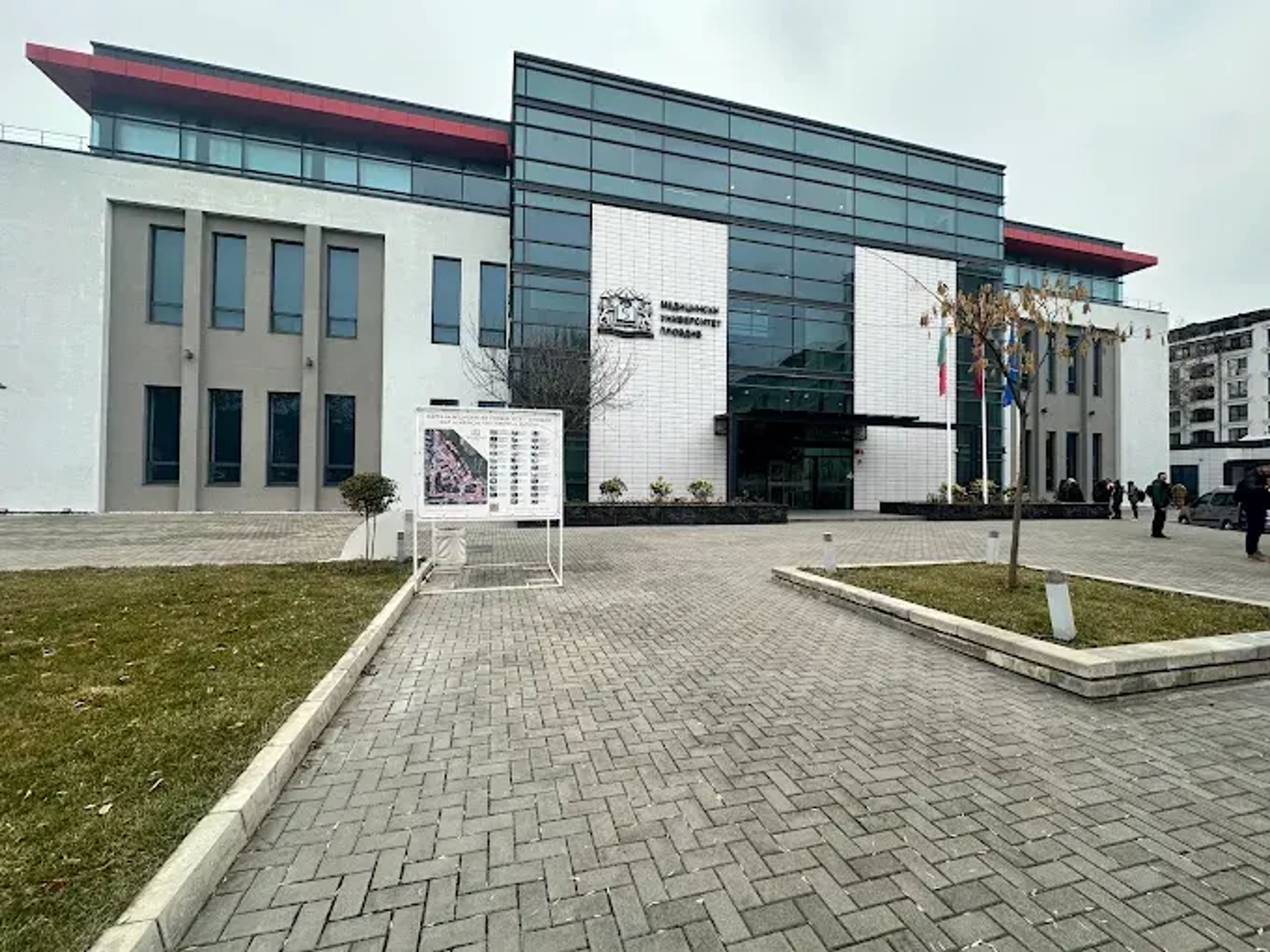
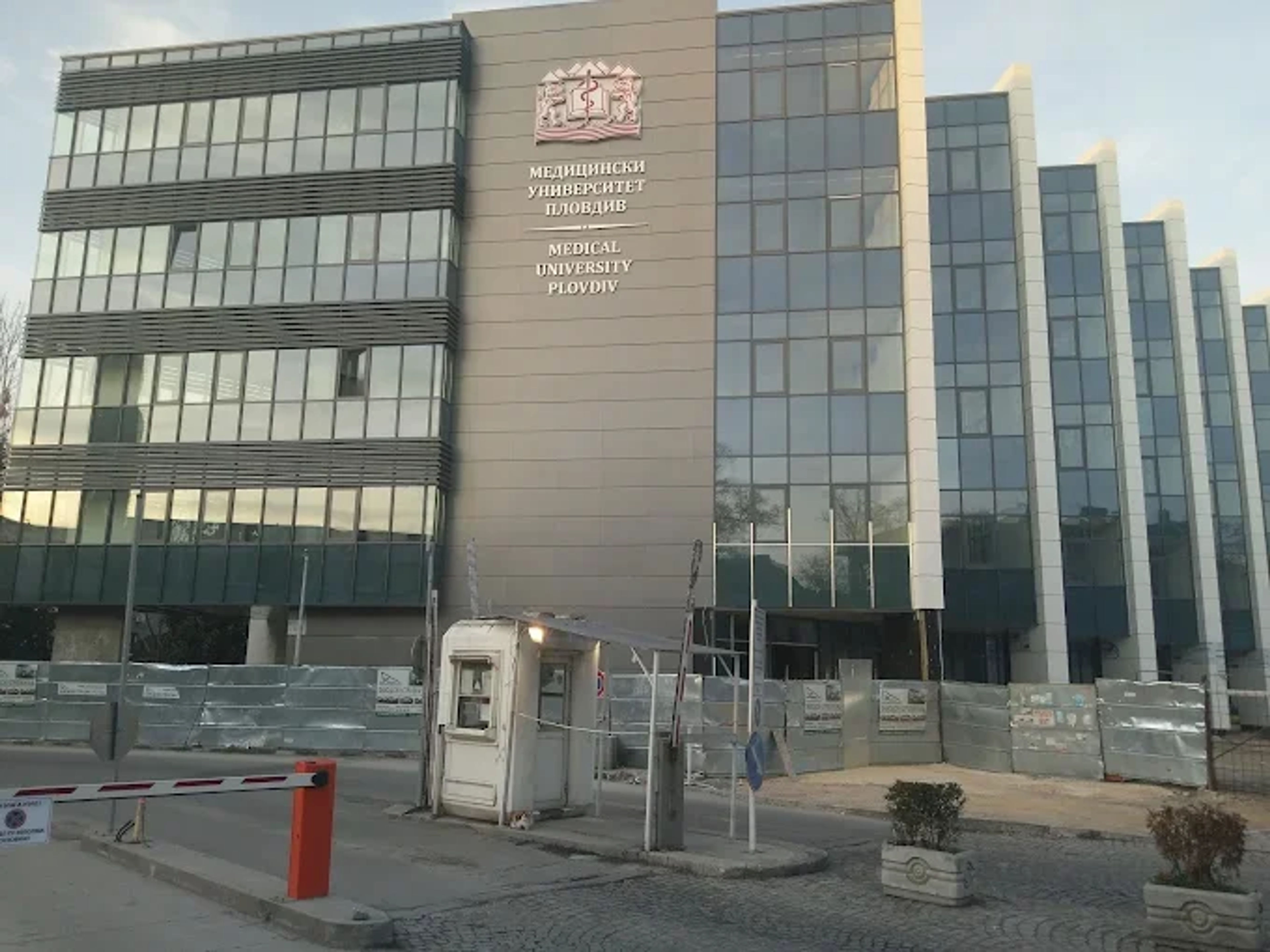
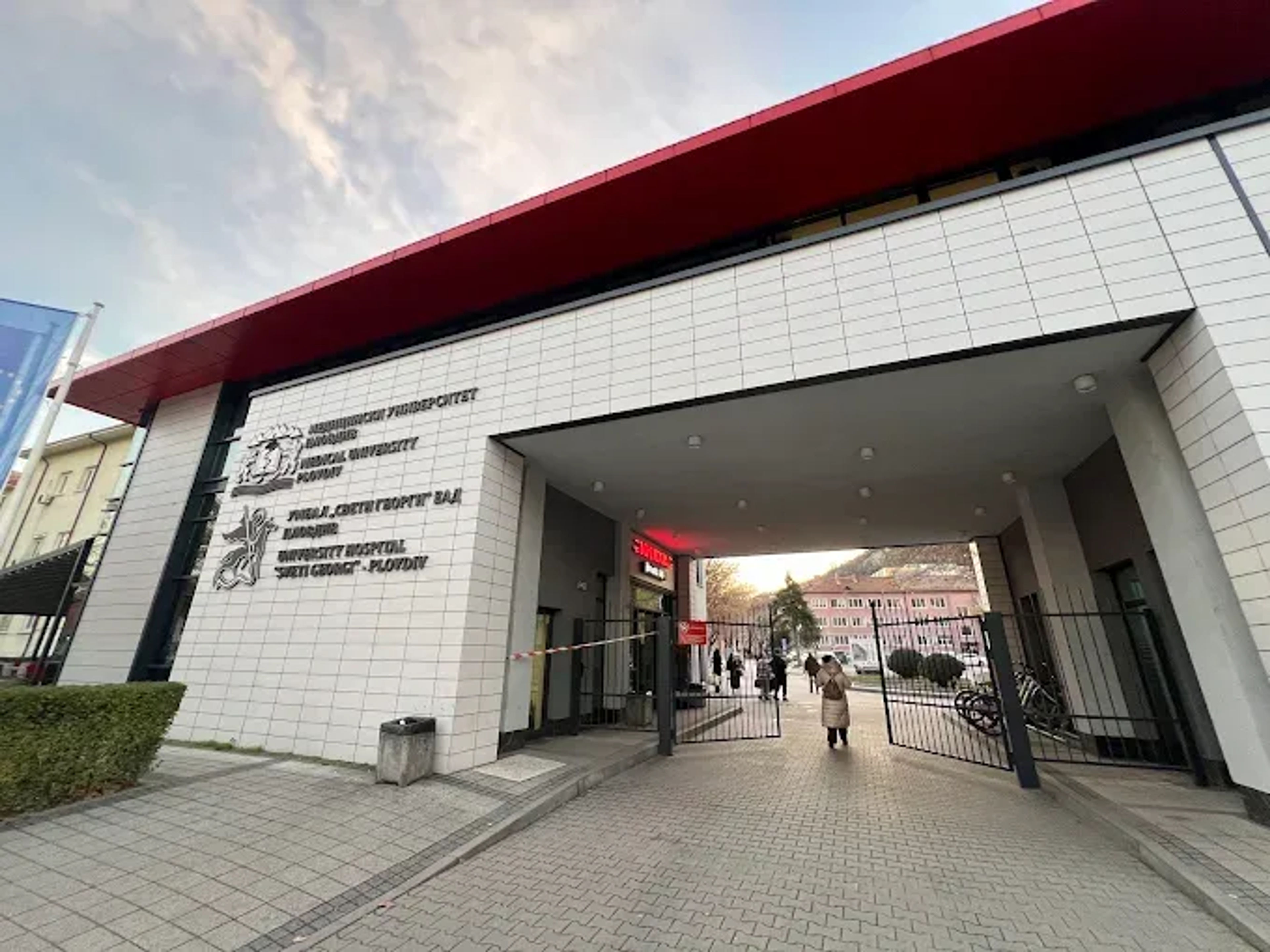
Plovdiv Medical University
Plovdiv, Plovdiv, Bulgaria • Public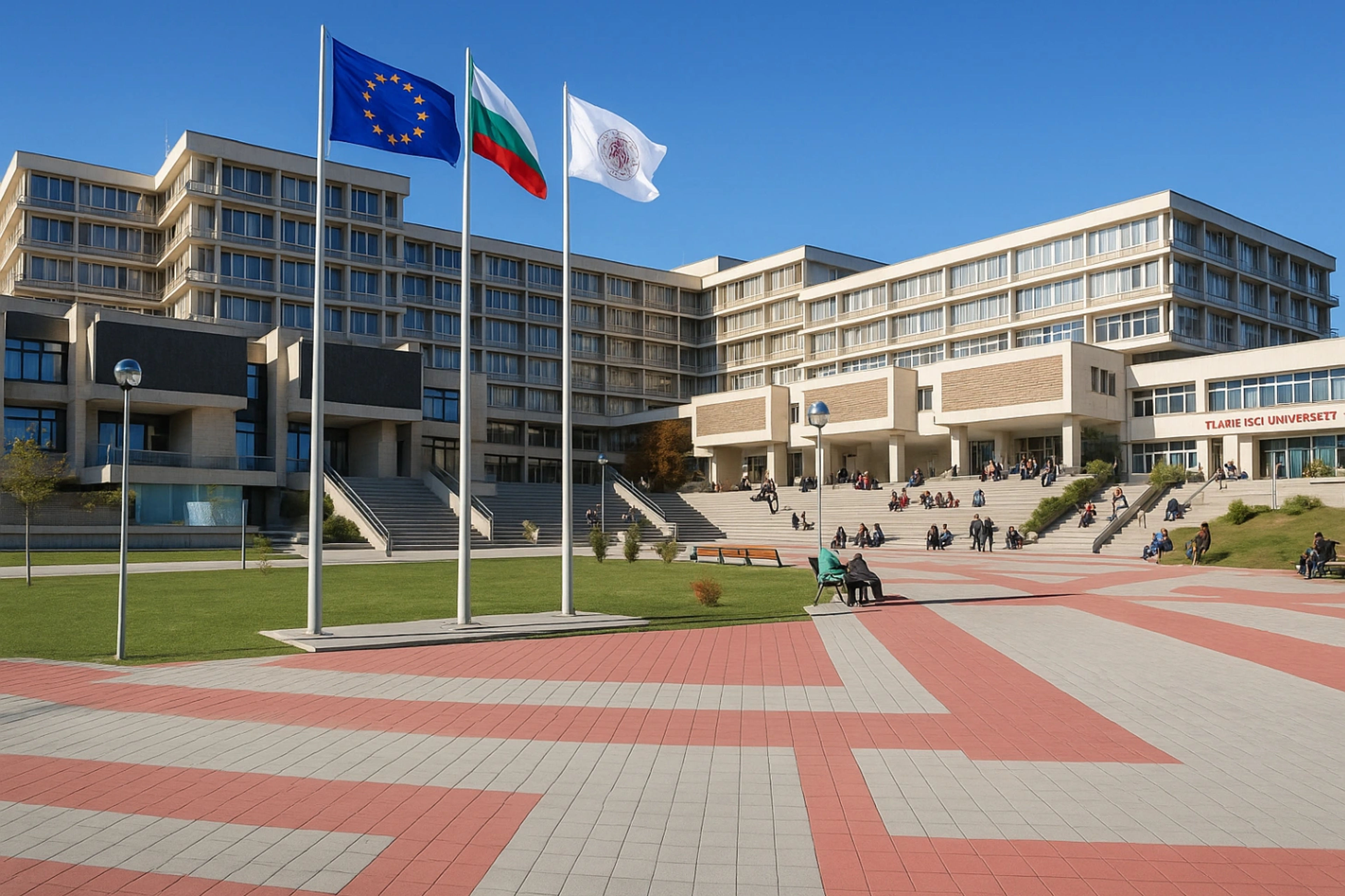

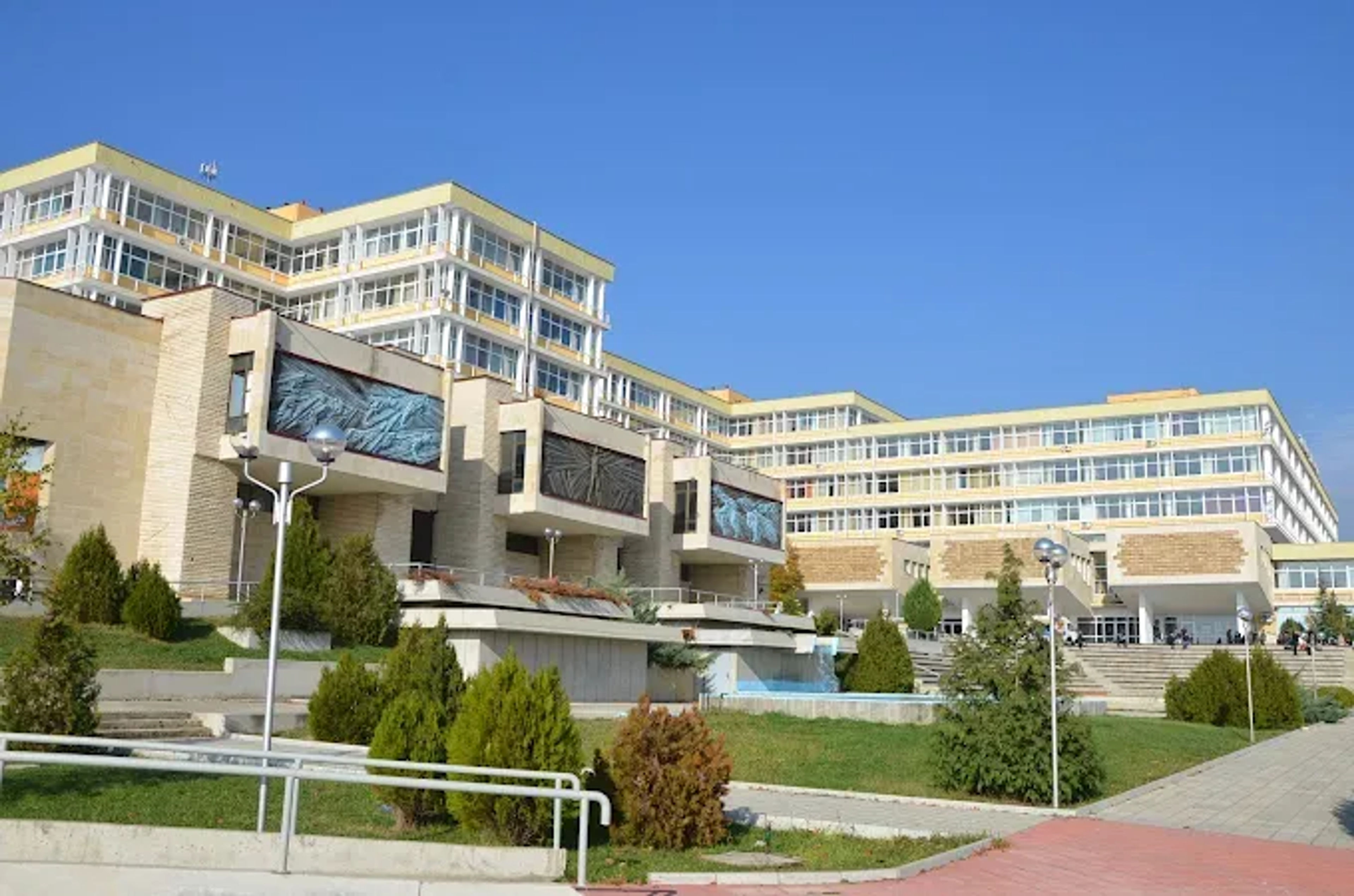
Trakia University
Stara Zagora, Stara Zagora, Bulgaria • Public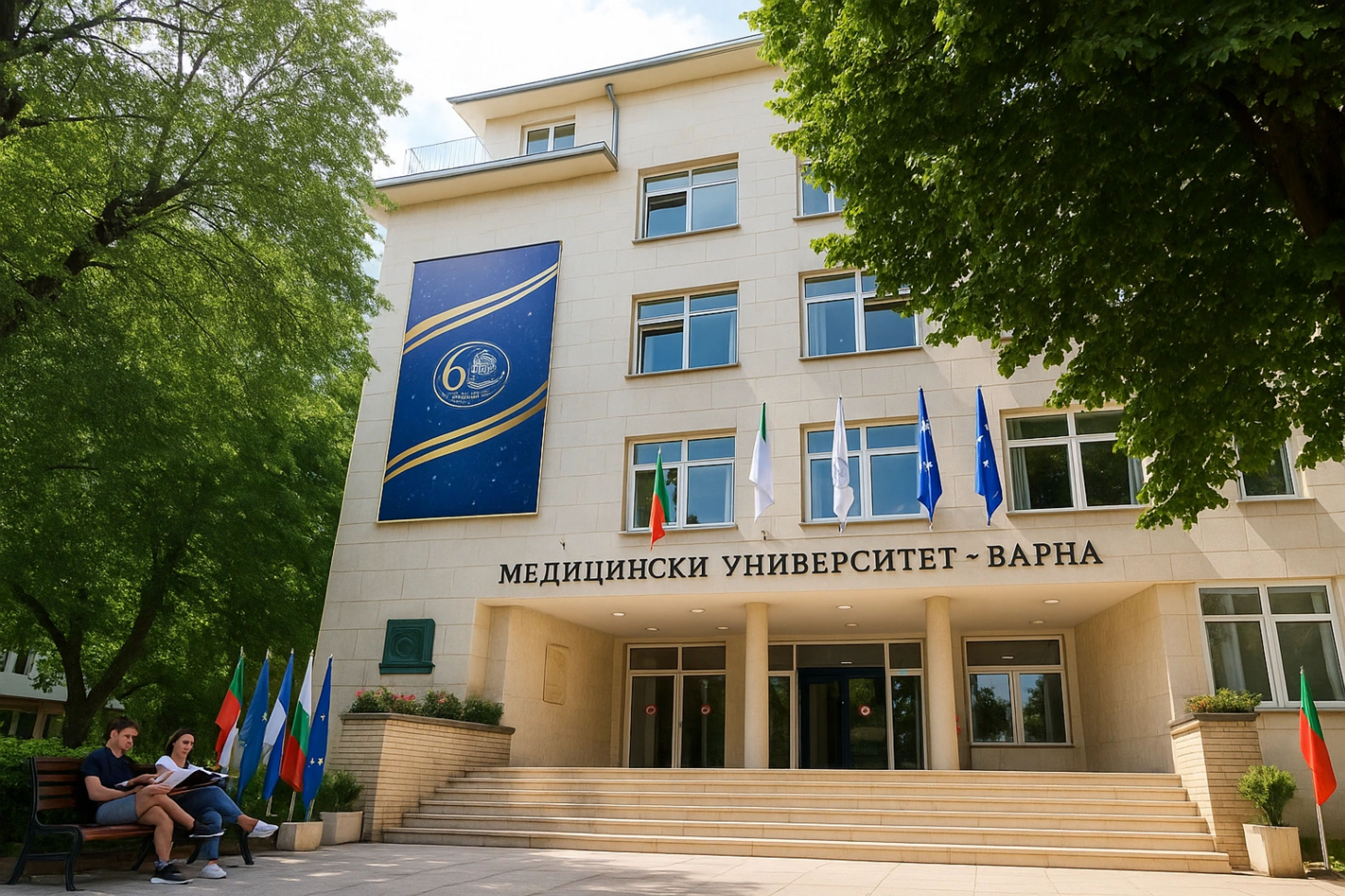

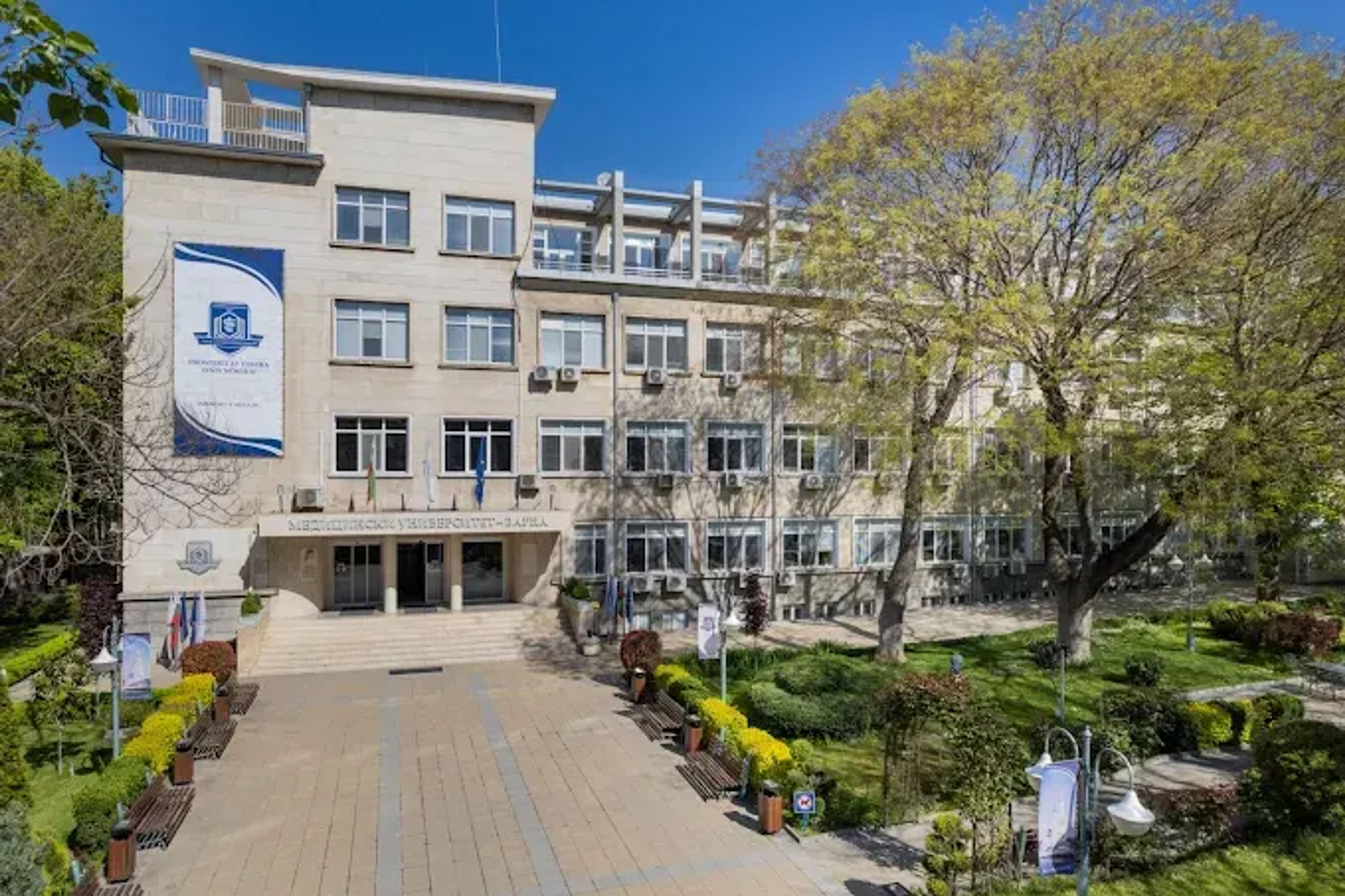
Medical University Of Verna
Piedmont, Piedmont, Bulgaria • PublicBulgaria
Guides

Study in Romania Scholarship 2026: Eligibility, Benefits & Application Process for Indian Students
Bulgaria
Cost Of Studying in Bulgaria
Bachelor's course fees to study in Bulgaria are low and affordable for most fields. The tuition fees for bachelor’s degree programs, such as Business, Management, Economics, IT & Computer Science, Engineering, Humanities, and Tourism have average tuition fees of around €1,000 – €4,500 per year, while medical programs, including Medicine, Dentistry and Pharmacy have higher tuition fees, around €6,000 – €10,000 per year. Overall, students who study in Bulgaria get a good balance of low fees and quality education.
Course Type / Field | Approx. Annual Fees (EUR) |
Business, Management, Economics | €1,000 – €4,000 |
IT & Computer Science | €3,000 – €4,200 |
Engineering (Civil, Mechanical, etc.) | €2,500 – €4,500 |
Humanities & Social Sciences | €2,500 – €4,000 |
Tourism & Hospitality | €2,500 – €4,000 |
Medicine (MBBS-type) | €7,500 – €10,000 |
Dentistry | €8,000 – €10,000 |
Pharmacy | €6,000 – €8,200 |

Study in Bulgaria: Masters Course Fees
Master's course fees to study in Bulgaria are low compared to many other European countries. If you study in Bulgaria, a master's course like Business, Management, MBA, IT and Computer Science, Engineering, Humanities and Tourism usually costs about €2,000 – €5,000 per year. For Medicine, Health Sciences, Dentistry and Pharmacy, the fees are higher, around €6,000 – €9,000 per year. Overall, students who study in Bulgaria get a good education at a reasonable cost.
Course Type / Field | Approx. Annual Fees (EUR) |
Business, Management, MBA | €2,000 – €5,000 |
IT & Computer Science | €2,500 – €5,000 |
Engineering (Various fields) | €2,500 – €5,000 |
Humanities & Social Sciences | €2,000 – €4,000 |
Tourism & Hospitality | €2,000 – €4,000 |
Medicine & Health Sciences | €6,000 – €9,000 |
Dentistry & Pharmacy | €6,000 – €9,000 |
Read More:MBBS in Bulgaria
Bulgaria
Cost of Living in Bulgaria
The yearly tuition fees to Study in Bulgaria are quite affordable for international students. A bachelor's course usually costs from €1,000 - €10,000 per year, while a master's course costs approximately €2,000 - €9,000 per year. The monthly living costs are also low, with accommodation, food, transport bills and other living costs being approximately €450 - €750 per month. All in all, the total yearly cost to study in Bulgaria, tuition and living costs included, is approximately €7,000 - €19,000 yearly.
Particulars | Fee Structure |
Bachelor’s Course Fees | €1,000 – €10,000 per year |
Master’s Course Fees | €2,000 – €9,000 per year |
Accommodation | €150 – €350 per month |
Food | €150 – €250 per month |
Transportation | €10 – €25 per month |
Other bills for electricity, internet | €80 – €150 per month |
Total Living Costs | €450 – €750 per month |
Overall yearly cost | €7,000 – €19,000 per year (study + living) |
Cost of Living in Bulgaria: Monthly Budget Overview for a Single Person in Sofia, Plovdiv or Varna
The table below shows an estimated monthly budget for a single person living in Sofia, Plovdiv or Varna, based on typical living costs in Bulgaria.
Category | Typical Range (BGN) | Typical Range (EUR, approx) |
Rent | 550 – 900 | 280 – 460 |
Utilities | 180 – 250 | 90 – 130 |
Internet & Mobile | 40 – 65 | 20 – 33 |
Groceries | 400 – 550 | 205 – 280 |
Eating Out | 150 – 250 | 75 – 125 |
Transport | 50 – 70 | 25 – 35 |
Other (gym, etc.) | 80 – 150 | 40 – 75 |
Total | 1,450 – 2,235 | 740 – 1,180 |
How Much Is Rent per Month When You Study in Bulgaria?
The table below shows typical monthly rent ranges for students who study in Bulgaria, depending on the apartment type and location.
Type of Apartment | Location | Rent (BGN) | Rent (EUR, approx) |
1-bedroom | City centre | 750 – 900 | 380 – 460 |
1-bedroom | Outside centre | 550 – 700 | 280 – 360 |
3-bedroom | City centre | 1,300–1,600 | 660 – 810 |
3-bedroom | Outside centre | 1,000–1,300 | 510 – 660 |
Study in Bulgaria: Monthly Utilities, Internet and Mobile Costs
The table below shows average monthly costs for utilities, internet and mobile when you study in Bulgaria, so you can better plan your student budget.
Item | Cost (BGN) | Cost (EUR, approx.) | Details |
Electricity, heating, water, and garbage | 180 – 250 | 90 – 130 | For 1-bed; higher in winter |
Internet (60 Mbps+) | 25 – 35 | 13 – 18 | Home broadband |
Mobile plan | 15 – 30 | 8 – 15 | Depends on data & operator |
Study in Bulgaria: Example Grocery Prices for Students
The table below shows example grocery prices in Bulgaria, helping you estimate your monthly food expenses when you study in Bulgaria.
Product | Quantity | Price (BGN) | Price (EUR, approx) |
Milk | 1 litre | 2.4 | 1.2 |
Bread loaf | 1 piece | 1.8 – 2.5 | 0.9 – 1.3 |
Chicken breast | 1 kg | 12 – 14 | 6 – 7 |
Apples | 1 kg | 2 – 3 | 1 – 1.5 |
Eggs | 12 pcs | 5 – 6 | 2.5 – 3 |
Study in Bulgaria: How Much Does Eating Out Cost?
The table below shows typical prices for eating out in Bulgaria, so you can estimate how much you might spend on food and social life when you study in Bulgaria.
Type of Meal / Activity | Price (BGN) | Price (EUR, approx) |
Cheap lunch (daily menu) | 10 – 15 | 5 – 8 |
Fast-food meal (e.g. McDonald’s) | 12 – 15 | 6 – 8 |
Mid-range restaurant, dinner for two | 60 – 90 | 30 – 45 |
Coffee in a café | 3 – 5 | 1.5 – 2.5 |
Study in Bulgaria: Transport Costs
The table below shows typical transport costs in Bulgaria, helping you plan your monthly travel budget when you study in Bulgaria.
Item | Price (BGN) | Price (EUR, approx.) |
Public transport ticket | 1.60 – 2.00 | 0.8 – 1.0 |
Monthly public transport pass | 50 – 70 | 25 – 35 |
Taxi start fare | 1.5 | 0.75 |
Taxi price per km | 1.3 | 0.65 |
Petrol (per litre) | 2.7 – 3.0 | 1.40 – 1.55 |
Bulgaria
Study in Bulgaria Scholarships for Indian Students
Scholarships for study in Bulgaria are offered by the government, universities, and EU programs to help international students reduce tuition fees and manage living costs.
Scholarship type | Who gives it? | What it can cover | Details |
Government scholarships | Bulgarian government |
| For some international students |
Public University Scholarships | State universities (Sofia Univ, UNWE, etc.) |
| For students with good marks |
Private university scholarships | Private universities (e.g. NBU) | Fee discounts | Depends on each university’s rules |
AUBG scholarships | American University in Bulgaria (AUBG) |
|
|
Erasmus+ / exchange grants | EU / partner universities |
| For exchange students (1–2 semesters) |
Is Bulgaria Good for Indian students?
Yes, Study in Bulgaria is a good option for Indian students. Bulgaria offers affordable education, English-tough programs, a safe environment, and a chance for part-time work. Popular fields like Medicine, engineering, IT, Business, and Tourism give good career scope in Europe. With low living costs and EU-recognised degrees, Study in Bulgaria is a comfortable and budget-friendly choice for Indian students.
Particulars | Details |
Affordable Education | Tuition fees and living costs can be lower compared to many Western European countries when you study in Bulgaria. |
English-Taught Programs | Most bachelor's and master's programs are available in English, so there is generally no significant language barrier. |
Safe & Student-Friendly | Bulgaria is a relatively safe country and has a peaceful atmosphere with university cities such as Sofia, Plovdiv and Varna. |
Good Career Opportunities | Undergraduate and graduate programs in many popular areas, such as Medicine, IT, Engineering, Business, and Tourism, can create good job prospects in Bulgaria and across Europe. |
EU-Recognised Degrees | Bachelor's and master's degrees from Bulgarian universities are recognised in other countries across Europe, which can assist job placement or future studies. |
Low Living Costs | Accommodation, food and transport generally cost much less money for students studying in Bulgaria. |
Comfortable Lifestyle | Mild climate, mix of cultures, and a growing number of students from outside of Bulgaria and even Indian students. |
Can International students study in Bulgaria?
Yes, international students have the opportunity to study in Bulgaria. The country is known for low-cost education, a wide variety of courses taught in English, and a safe and welcoming environment for students, even for non-EU students who need a student visa, and may be permitted to work part-time during their studies in Bulgaria. Popular fields of study include Medicine, Engineering, Information Technologies, Business Management and Tourism, while also offering a low cost of living and comfortable lifestyle as part of the European culture.
Particulars | Details |
Eligibility | International students are welcome to study in Bulgaria. |
Language of Study | Many bachelor’s and master’s programs are taught in English. |
Visa Requirement | Non-EU/EEA students need a Bulgarian student visa and residence permit. |
Work Opportunities | Part-time work is possible for students, as per Bulgarian regulations. |
Popular Programs | Medicine, Engineering, IT & Computer Science, Business, Tourism. |
Safety & Lifestyle | Generally safe, low living costs, and a comfortable European lifestyle. |
How is Study in Bulgaria beneficial for Students?
Study in Bulgaria is an important opportunity for students as it provides lower tuition fees, reasonable cost-of-living estimates, programs in English, and degrees recognised in the EU. In addition to education, students who study in Bulgaria will enjoy a safe culture, multiculturalism, and career opportunities in the fields of Medicine, Engineering, IT, Business, and Tourism.
Particulars | Details |
Quality Education | Good universities, EU-recognised degrees |
Affordable Costs | Low fees and cheap living to study in Bulgaria |
English-Taught Courses | Many programs are available in English |
Safety & Lifestyle | Safe, student-friendly cities and easy living |
Career Options | Jobs in Medicine, IT, Engineering, Business, Tourism |
What might be the possible disadvantages of Study in Bulgaria?
While studying in Bulgaria is inexpensive, there are some disadvantages. Daily life can be difficult due to the language barrier, few opportunities exist for part-time work, and there aren't as many universities ranked at the top, and visa or other paperwork may be slow. Students may also have to adjust to the cold weather and the culture of study in Bulgaria.
Particulars | Details |
Language Barrier | Bulgarian is used in daily life, hard at the start |
Part-Time Jobs | Fewer job options than in bigger countries |
University Ranking | Not many globally top-ranked universities |
Visa & Paperwork | Process can be slow and document-heavy |
Climate & Culture | Cold winters and a new culture need adjustment |
Study in Bulgaria: Salary Levels After Completing Your Degree
Once you complete your studies and begin your career in Bulgaria, your salary is dependent on your level and location. In small cities, an entry salary is about €1,000/month, while it starts at about €1,300/month in Sofia. The average salary in Bulgaria is about €1,150–€1,400 and €1,550–€1,750 in Sofia. A good salary is about €1,500+ in Bulgaria and €2,050+ in Sofia. Anything in the range of €1,800–€2,050+ in Bulgaria or €2,300–€2,550+ in Sofia is considered a high / very good salary and will provide comfort in life and savings.
Level | Bulgaria (€/month) | Sofia (€/month) |
Low / Entry | €1,000 | €1,300 |
Around average | €1,150–€1,400 | €1,550–€1,750 |
Good salary | €1,500+ | €2,050+ |
Very good / High | €1,800–€2,050+ | €2,300–€2,550+ |
Conclusion
In this blog, we discovered that study in Bulgaria is an appealing option for those looking for an affordable, high-quality education in Europe. With courses offered in English, low tuition and living costs, scholarships, and degrees recognised throughout the EU, students will be able to create a great career for themselves in many fields, including Engineering, Medicine, IT, Business, and Tourism, while living in a safe and comfortable environment.
Also Check
Other Countries for Study Abroad | |
|---|---|
Study in Bulgaria: FAQs
Ques: What will it cost per year to Study in Bulgaria?
Ans: If you Study in Bulgaria, bachelor’s fees are estimated between €1,000–€10,000, master's courses cost about €2,000–€9,000 per year, plus €450–€750/month living expenses.
Ques: Is Study in Bulgaria good for Indian students?
Ans: Yes, Study in Bulgaria is a good option for Indian students, given the reasonable fees, low living costs, courses taught in English, and EU degrees.
Ques: Do I need IELTS for Study in Bulgaria?
Ans: Many universities for Study in Bulgaria will accept either IELTS, TOEFL, PTE, or Duolingo, and some may not require it if you studied in English previously.
Ques: Are there any scholarships for Study in Bulgaria?
Ans: Yes, for Study in Bulgaria, there are government scholarships, university scholarships, AUBG scholarships and Erasmus+ scholarships to help reduce tuition and living expenses.
Ques: Is it possible to work part-time while studying in Bulgaria?
Ans: While studying in Bulgaria, international students are typically allowed part-time employment or internships, subject to local authorities’ regulations.
Ques: Why study in Bulgaria?
Ans: Study in Bulgaria provides high-quality education for an affordable price, including courses taught in English and degrees recognised in the EU.
Ques: Is it safe to study in Bulgaria?
Ans: It is generally a safe choice to study in Bulgaria. Cities like Sofia, Plovdiv, and Varna tend to be student-friendly.
Ques: What are the popular courses to study in Bulgaria?
Ans: The most popular fields of study in Bulgaria include medicine, dentistry, pharmacy, engineering, IT, business studies, and tourism studies.
Ques: How does the visa process work for study in Bulgaria?
Ans: Once you are accepted for a university in Bulgaria, the visa process for study is to first apply for what is called a D-type student visa, and then apply to obtain a residence permit upon arrival in Bulgaria.
Ques: What salary can I expect after I study in Bulgaria?
Ans: After studying, you can expect starting salaries of approximately €1,000–€1,300/month and a good gross salary of €1,500+ (Bulgaria) and €2,050+ (Sofia).