Study in Malta for Indian Students: Top Universities, Courses, Costs, Scholarships & Placements
Discover Universities, Courses, Eligibility, Scholarships & More
Malta
Study in Malta Overview
Studying in Malta has become an excellent opportunity for international students seeking quality, affordable, and globally recognized education. Students from Asia, the Middle East, and Europe are increasingly choosing Malta, thanks to its English-taught programs offered across various disciplines. MBBS in Malta is a 5 to 6-year medical program that has been designed to provide medical knowledge, clinical training, and practical exposure to students who want to study medicine in Malta.
The aim of the program is to produce competent professionals in the field of medicine. The yearly tuition fees for studying MBBS/MD in Malta universities range between €14,500/year and €26,000/year. Popular bachelor’s courses include BBA, BSc IT, BA, Hospitality Management, Business Management, Maritime Studies, Engineering, and Health Sciences, while postgraduate options such as MBA, MSc IT, MA, MEng, Hospitality & Tourism Management, and Maritime Engineering follow European academic standards. Degrees offered in Malta are career-oriented, industry-linked, and accepted worldwide.
The fee structure is reasonably priced, making Malta a budget-friendly study destination. Bachelors programs generally cost €6,000 – €12,000 per year, while Masters programs range between €8,000 – €15,000 annually. The average monthly living cost is around €700 – €1,000, covering accommodation, food, transport, and daily needs. Student-friendly cities such as Msida, Valletta, Sliema, and St. Julian’s offer a safe, modern, and multicultural lifestyle, ensuring a comfortable living environment.
Top universities in Malta include the University of Malta, Malta College of Arts, Science & Technology (MCAST), GBS Malta, and the European Graduate School, known for strong academic standards, experienced faculty, and practical learning approaches. With well-equipped laboratories, industry-linked training, and a thriving job market in tourism, IT, business, and maritime sectors, Malta provides a promising and supportive environment for international students.
Study in Malta: Quick Highlights
The table presents a detailed analysis of all the crucial information essential for students planning to pursue a course in Malta.
Particulars | Details |
Teaching Language | English |
Popular Courses |
|
Average Course Fees |
|
Average Living Costs | €700 – €1,000 |
Intake Session | October Intake (Fall Intake) – Main Intake February Intake (Spring Intake) Additional Intakes (University-Specific) June / July Intake April Intake Rolling admissions for short courses or diploma programs |
Document Requirement |
|
Read More: MBBS in Malta 2026
Why Study in Malta?
Students are willing to pursue study in Malta owing to the superior quality of education in English, along with affordable course fees, and a safe and welcoming environment. Malta offers programs in IT, business, tourism, and maritime studies for international students. With a warm climate, rich culture, and part-time work options, Malta provides an excellent balance of academic growth and enjoyable Mediterranean living. The bullet points present a detailed analysis of all the crucial information essential for students planning to pursue a course in Malta.
- % of International Students (Tertiary): 37% of all tertiary enrolments are international in 2023/24.
- Growth Rate of Non-Domestic Students: 27% year-on-year increase in 2023/24.
- Indian Student Numbers: Increased by 130% from 2022/23 to 2023/24 (1,033 → 2,378).
- Tuition Fee Range (Non-EU/EEA): Approximately €6,000–€10,000 per year for many bachelor’s programs.
- Monthly Living Cost Estimate: Around €600 to €1,000 depending on accommodation and lifestyle.
- Language of Instruction: Many programs are taught in English; English is an official language.
- Part-Time Work Allowance: International students can work up to 20 hours per week during term time.
Study in Malta: Popular Courses
Popular courses in Malta for both bachelor’s and master’s levels include IT and Computer Science, Business and Management, Tourism and Hospitality, Engineering, and Maritime Studies. These fields are in high demand due to Malta’s strong industries, offering excellent academic training, practical experience, and promising career opportunities for international students.
Study in Malta: Bachelor's Courses
Bachelor’s courses in Malta offer affordable, English-taught programs in IT, business, engineering, tourism, and maritime studies. Students benefit from quality education, practical training, and strong job opportunities in Malta’s growing industries. The table presents a detailed analysis of all the crucial information essential for students planning to pursue a course in Malta.
Courses | Popularity |
Bachelor of Medicine and Bachelor of Surgery | Growing demand in this sector with hands-on practical experience |
IT & Computer Science | Strong tech sector, practical learning, good job prospects |
Business & Management | Industry-focused programs, internships, and global careers |
Engineering | High-quality training in the mechanical, civil, and electrical fields |
Tourism & Hospitality | Major Maltese industry, excellent internship opportunities |
Maritime Studies | Malta’s leading maritime hub offers strong career pathways |
Study in Malta: Masters Courses
Master’s courses in Malta provide affordable, English-taught programs in IT, business, engineering, tourism, and maritime studies. Students gain advanced knowledge, practical industry exposure, and strong career opportunities in Malta’s rapidly developing professional sectors. The table presents a detailed analysis of all the crucial information essential for students planning to pursue a course in Malta.
Courses | Popularity |
IT & Cybersecurity | High demand, advanced tech skills, strong job market |
Business & MBA | Global business exposure, leadership training |
Engineering (Various) | Industry-focused, practical projects, strong career scope |
Tourism & Hospitality | Ideal for Malta’s tourism-driven economy |
Maritime Studies | Excellent opportunities in the shipping and marine sectors |
Healthcare & Nursing | Skill shortages create strong employability |
Study in Malta: Admission Process
Students willing to study in Malta must choose a program, apply through the university portal, and submit transcripts, a passport, English proficiency scores, SOP, and CV. After receiving an offer, pay the deposit, arrange accommodation, apply for a student visa via VFS, show financial proof, obtain insurance, and prepare to travel for your studies. The table presents a detailed analysis of all the crucial information essential for students planning to pursue a course in Malta.
Particulars | Details |
Choose Program | Select a course and university based on interest and eligibility. |
Check Eligibility | Review academic requirements and English proficiency criteria. |
Prepare Documents | Collect transcripts, passport, SOP, CV, recommendation letters, and English test scores. |
Apply Online | Apply through the university portal and pay the application fee (if applicable). |
Receive Offer | Get a conditional or unconditional offer from the university. |
Pay Deposit | Confirm acceptance by paying the required tuition deposit. |
Arrange Accommodation | Book university or private housing in Malta. |
Apply for a Visa | Submit a student visa application via VFS with financial proof and insurance. |
Receive Visa | Await approval and receive your long-term study visa. |
Travel & Enroll | Fly to Malta, complete registration, and begin classes. |
Study in Malta: Documents Required
Documents required to study in Malta include academic transcripts, a passport, photographs, English proficiency scores, an updated CV, a Statement of Purpose, recommendation letters, an offer letter from the university, financial proof, medical insurance, accommodation proof, and a visa application form. Ensure all documents are valid, complete, and properly attested for smooth processing. The bullet points present a detailed analysis of all the crucial information essential for students planning to pursue a course in Malta.
- Valid passport
- Recent passport-size photographs
- Academic transcripts and certificates
- English proficiency test scores (IELTS/TOEFL/Duolingo)
- Updated CV/Resume
- Statement of Purpose (SOP)
- Letters of Recommendation (LORs)
- University offer letter
- Proof of accommodation in Malta
- Financial proof (bank statements/sponsor letters)
- Health/medical insurance
- Visa application form and fee receipt
Study in Malta: Top Entrance Exams
Top exams for admission to universities in Malta generally include IELTS or TOEFL for English proficiency, as most programs are taught in English. Some institutions may also accept PTE or the DUOLINGO English Test. Academic qualifications like 12th-grade scores for bachelor's and masters degree results for master’s programs are essential. The table presents a detailed analysis of all the crucial information essential for students planning to pursue a course in Malta.
Exams | Requirements |
The most commonly accepted English proficiency test for admission. | |
Widely recognised alternative for English language proof. | |
Accepted by many Maltese universities for English proficiency. | |
Increasingly accepted, convenient online option. | |
12th Grade Board Marks | Required for bachelor’s program eligibility. |
Bachelor’s Degree Marks | Essential academic requirement for master’s admission. |
Study in Matla: Visa Process
The Malta student visa process involves receiving a university offer, preparing documents, submitting the visa application at the embassy, providing financial proof, attending an interview, and waiting for approval before traveling to Malta for studies. The table presents a detailed analysis of all the crucial information essential for students planning to pursue a course in Malta.
Particulars | Details |
Receive Offer Letter | Get accepted into a Maltese university or college. |
Gather Documents |
|
Submit Visa Application | Apply at the Malta Embassy/VFS with the required forms and fees. |
Attend Interview | Provide clarifications about study plans and finances. |
Visa Processing | The embassy reviews documents and makes a decision. |
Travel to Malta | Once approved, book travel and complete arrival formalities. |
1
Universities
24000 EUR
Cost of Living
1
Work permit duration
8252
International Students
Malta
Top Universities to Study in Malta
Top universities in Malta include the University of Malta, the Malta College of Arts, Science, and Technology (MCAST), the American University of Malta (AUM), and several reputable private institutions offering quality, English-taught programs for international students. The table presents a detailed analysis of all the crucial information essential for students planning to pursue a course in Malta.
Top Universities | Courses | Course Fees | Duration |
University of Malta (UM) |
| €6,000 – €10,000 per year |
|
Malta College of Arts, Science & Technology (MCAST) |
| €4,000 – €8,000 per year | Vocational Bachelor - 3 years – 4 years |
American University of Malta (AUM) |
| €10,000 – €15,000 per year |
|
GBS Malta |
| €7,000 - €10,000 per year | Masters - 1 year - 2 years |
Top Destinations to Study in Malta
Top study destinations in Malta include Msida, home to the University of Malta and a vibrant student community; Paola for MCAST’s technical programs; Cospicua for AUM’s modern campus; and Valletta and Sliema, offering private institutions, cultural experiences, and excellent student amenities, making them ideal academic hubs. The table presents a detailed analysis of all the crucial information essential for students planning to pursue a course in Malta.
Destinations | Reason for Popularity |
Msida | Home to the University of Malta; a vibrant student hub with affordable housing. |
Paola | Main campus of MCAST; strong technical and vocational programs. |
Cospicua | Hosts the American University of Malta; modern campus environment. |
Valletta | Capital city with private universities, cultural sites, and academic resources. |
Sliema | Lively area with language schools, part-time job options, and student-friendly facilities. |
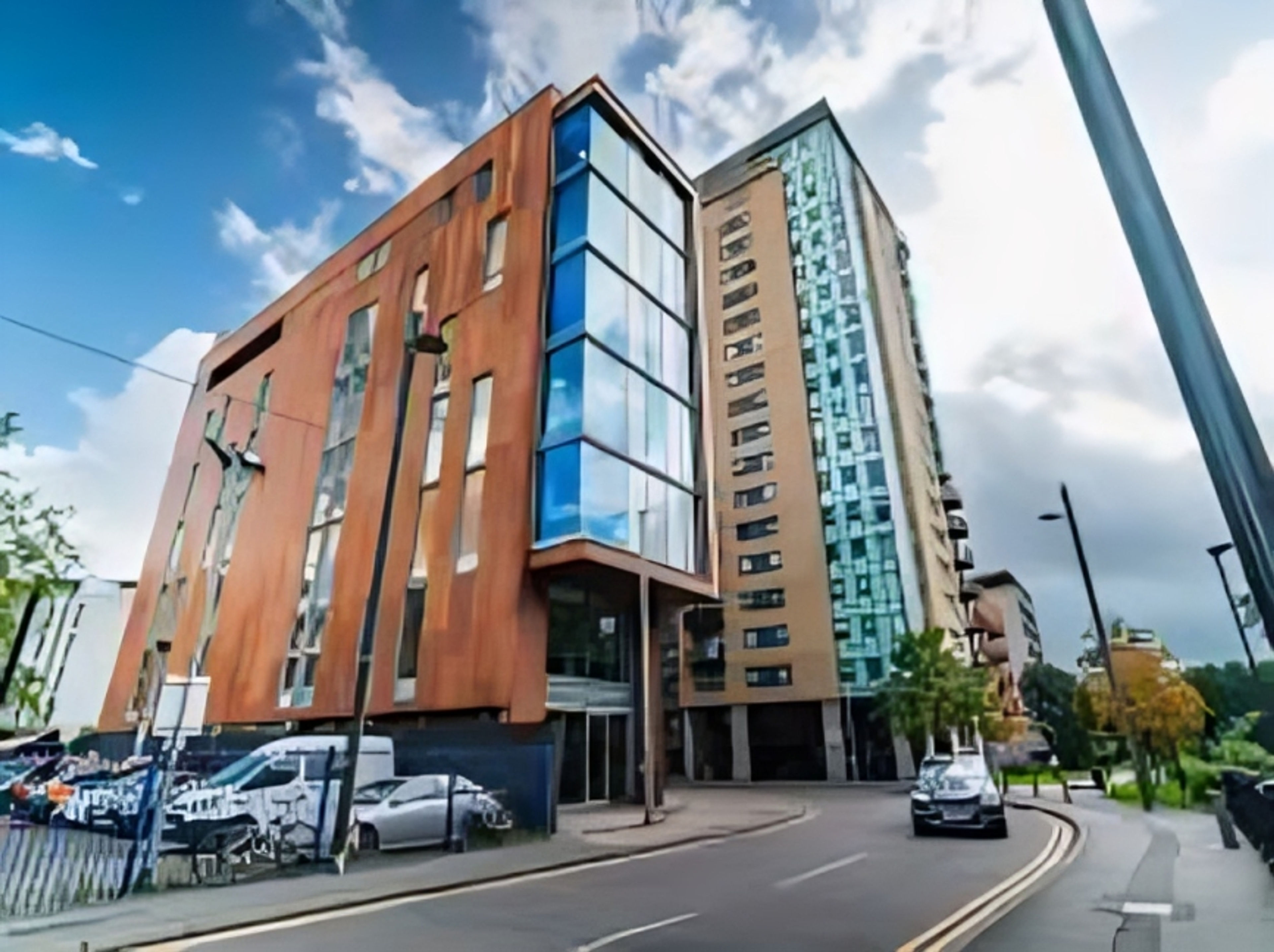
Global Banking School
Attard, Central Region, Malta • PrivateMalta
Guides
MBBS in Malta 2026: Fees, Top Universities, Eligibility, Admission & Cost of Living
Malta
Cost Of Studying in Malta
Annual course fees in Malta vary by program and institution. Bachelor’s degrees typically cost €6,000–€12,000 per year, while Master’s programs range from €8,000–€15,000 annually. Specialized fields like IT, engineering, and business may have higher fees. Overall, Malta offers comparatively affordable, high-quality education for international students. The table presents a detailed analysis of all the crucial information essential for students planning to pursue a course in Malta.
Particulars | Fee Structure |
Course Fees (per year) | €6,000 – €12,000 |
Accommodation (per month) | €300 – €600 |
Food (per month) | €200 – €300 |
Transportation (per month) | €25 – €40 |
Utilities (per month) | €60 – €100 |
Total Living Costs | €700 – €1,000 per month |
Overall Annual Cost | €14,400 – €24,000 (tuition + living) |
Study in Malta: Bachelor's Course Fees
Bachelor’s course fees in Malta generally range between €6,000 and €10,000 per year, depending on the institution and field of study. Programs in areas like engineering, IT, or healthcare may be on the higher end. Overall, Malta offers affordable undergraduate education compared to many other European destinations. The table presents a detailed analysis of all the crucial information essential for students planning to pursue a course in Malta.
Courses | Fees |
IT / Computer Science | €8,000 – €12,000 |
Business & Management | €8,000 – €12,000 |
Engineering | €8,000 – €12,000 |
Tourism & Hospitality | €8,000 – €12,000 |
Health (e.g., Nursing) | €8,000 – €12,000 |
Creative Media / Design | €8,000 – €12,000 |
Study in Malta: Masters Course Fees
Master’s course fees in Malta usually range from €8,000 to €14,000 per year, depending on the university, program, and specialization. Programs in IT, business, engineering, and healthcare may fall on the higher side. Overall, Malta provides reasonably priced postgraduate education compared to many Western European study destinations. The table presents a detailed analysis of all the crucial information essential for students planning to pursue a course in Malta.
Courses | Fees |
IT & Computer Science | €10,000 – €14,000 |
Business & Management | €9,000 – €13,000 |
Engineering | €10,000 – €14,000 |
Tourism & Hospitality | €8,000 – €12,000 |
Health & Nursing | €10,000 – €14,000 |
Arts, Humanities & Media | €8,000 – €12,000 |
Also Read:
Malta
Cost of Living in Malta
The cost of living in Malta ranges from €700 to €1,000 per month, covering accommodation, food, transportation, and utilities. It is affordable compared to many European countries, making it student-friendly. The table presents a detailed analysis of all the crucial information essential for students planning to pursue a course in Malta.
Particulars | Details |
Accommodation | €300 – €600 |
Food & Groceries | €200 – €300 |
Transportation | €25 – €40 |
Utilities | €60 – €100 |
Internet | €20 – €40 |
Miscellaneous | €50 – €100 |
Total Monthly Cost | €700 – €1,000 |
Malta
Study in Malta Scholarship
Malta offers government, university, and international scholarships covering tuition, living costs, or partial fees. Key options include Maltese Government Scholarships, Erasmus+, Commonwealth Scholarships, and institution-specific financial aid for international students. The bullet points present a detailed analysis of all the crucial information essential for students planning to pursue a course in Malta.
Particulars | Eligibility | Benefits |
Malta Government Endeavour Scholarship |
|
|
University of Malta Scholarships (for non-EU/EEA international students) |
|
|
Malta Scholarships Scheme (Government scheme) |
|
|
“Scholarships in Malta – Various Grants for International Students” |
| A wide range of scholarships is available in Malta for international applicants, including non-EU students, and it's useful to identify options specifically open to Indian students. |
Is Malta Good for Indian students?
Yes, Malta is a great option for Indian students. It offers affordable, English-taught programs, a safe environment, and good part-time work opportunities. Popular fields like IT, business, tourism, and maritime studies provide strong career prospects. The friendly culture, pleasant climate, and easy EU travel make it a comfortable and rewarding study destination. The table presents a detailed analysis of all the crucial information essential for students planning to pursue a course in Malta.
Particulars | Details |
Affordable Education | Lower tuition fees and living costs compared to many EU countries |
English-Taught Programs | Easy learning environment with no language barrier |
Safe & Friendly Country | Welcoming culture and low crime rate |
Strong Job Opportunities | Part-time work allowed; good prospects in IT, business, tourism, and maritime sectors |
Easy Travel Within the EU | Schengen access enables travel across Europe |
Comfortable Lifestyle | Pleasant climate, multicultural environment, and Indian community presence |
Can International students study in Malta?
Yes, international students can study in Malta. The country offers English-taught programs, affordable education, and a safe environment. Students can also work part-time, access quality universities, and enjoy an excellent Mediterranean lifestyle while pursuing their studies. The table presents a detailed analysis of all the crucial information essential for students planning to pursue a course in Malta.
Particulars | Details |
Eligibility | International students are welcome to study in Malta. |
Language of Study | Most programs are taught in English. |
Visa Requirement | Non-EU students need a student visa. |
Work Opportunities | Part-time work is allowed during studies. |
Popular Programs | IT, business, tourism, and maritime studies. |
Safety & Lifestyle | Safe country with a pleasant Mediterranean environment. |
How is Study in Malta beneficial for Students?
Studying in Malta offers quality education, affordable living costs, a safe environment, English-taught programs, a diverse culture, and strong career opportunities, especially in tourism, IT, business, and maritime industries. It's an ideal destination for international students. The table presents a detailed analysis of all the crucial information essential for students planning to pursue a course in Malta.
Particulars | Details |
Quality Education | Reputable universities offering globally recognized degrees. |
Affordable Costs | Moderate tuition fees and reasonable living expenses. |
English-Taught Programs | Most courses are delivered in English. |
Safe Environment | Malta is known for low crime rates and student-friendly surroundings. |
Multicultural Exposure | A diverse student community and rich cultural experiences. |
Strong Job Opportunities | Growing industries in IT, tourism, business, and maritime sectors. |
What might be the possible disadvantages to Study in Malta?
Studying in Malta has some drawbacks, including limited university options, competitive job markets, higher costs in tourist areas, a small-city lifestyle, and fewer course specializations compared to larger European countries. The weather can also be very hot in summer. The table presents a detailed analysis of all the crucial information essential for students planning to pursue a course in Malta.
Particulars | Details |
Limited Universities | Fewer higher education institutions compared to larger countries. |
Limited Course Variety | Some niche or specialized programs may not be available. |
Competitive Job Market | Part-time and post-study jobs can be competitive. |
Higher Costs in Tourist Areas | Rent and essentials may be expensive in popular locations. |
Small Country Lifestyle | Limited nightlife, entertainment, and urban experiences. |
Hot Summers | The weather can be extremely hot, which may be uncomfortable for some students. |
Conclusion
Studying in Malta offers international students an excellent balance of quality education, affordability, and a vibrant Mediterranean lifestyle. With English as the primary language of instruction, globally recognized universities, and strong programs in IT, business, tourism, and maritime studies, Malta provides valuable academic and career opportunities.
The country is safe, culturally rich, and welcoming to students from around the world. Affordable tuition fees, reasonable living costs, and part-time work options further enhance its appeal. Whether pursuing bachelor's or master's degrees, students benefit from practical learning, industry exposure, and access to the wider European job market, making Malta a promising study destination.
Also Check
Popular Destination to Study Abroad | |
- | |
Study in Malta: FAQs
Ques: Is MBBS available in Malta for international students?
Ans: Yes, international students can pursue medicine in Malta, with the Doctor of Medicine and Surgery (MD) programme offered by the University of Malta. The programme is a 5-year full-time course and admission is competitive, with applicants required to meet specific academic and subject requirements. Students should also check the university's latest admission criteria and English-language requirements before applying.
Ques: Is Malta a good country for international students?
Ans: Yes. Malta is a popular study destination for international students because it offers English-taught programmes, a relatively affordable education system, and a safe environment. Students can also benefit from its multicultural atmosphere and opportunities to gain international exposure. The country is particularly popular among students interested in business, IT, tourism, and hospitality.
Ques: What is the cost of studying in Malta?
Ans: The cost of studying in Malta varies depending on the university, course, and level of study. Tuition fees generally range from €6,000–€12,000 per year for many programmes. Professional and specialised courses may have different fee structures, so students should check the current tuition fees of their chosen institution.
Ques: How much is the cost of living in Malta for students?
Ans: Students in Malta typically spend around €700–€1,000 per month on accommodation, food, transport, utilities, and other daily expenses. The actual cost depends on the city, type of accommodation, and individual lifestyle. Sharing accommodation can help students reduce their monthly expenses.
Ques: Do students need IELTS to study in Malta?
Ans: Yes, many institutions require international students to demonstrate English-language proficiency for admission. IELTS, TOEFL, PTE, or Duolingo may be accepted depending on the university and programme. However, the required score and accepted tests can vary, so students should check the specific admission requirements.
Ques: Can international students work part-time in Malta?
Ans: Yes, international students may work part-time in Malta subject to the applicable immigration and employment rules. Students generally need to meet the required conditions and obtain the appropriate work authorisation before starting employment. Part-time work can help students gain experience and manage some of their living expenses.
Ques: What are the most popular courses in Malta?
Ans: Popular courses in Malta include IT, Business, Tourism and Hospitality, Maritime Studies, Engineering, and Healthcare. These fields attract international students because of Malta's growing service, technology, tourism, and business sectors. Course availability and career opportunities vary by institution and specialisation.
Ques: Is Malta safe for students?
Ans: Yes, Malta is generally considered a safe country for international students and has a relatively low crime rate. Students can enjoy a welcoming environment and a multicultural community while studying. As with any country, students should still follow normal safety precautions and local regulations.
Ques: How long are bachelor’s and master’s degrees in Malta?
Ans: Bachelor’s degrees in Malta generally take 3–4 years, depending on the programme and institution. Master’s programmes usually take 1–2 years to complete. Some professional or specialised programmes may have different durations based on their curriculum and credit requirements.
Ques: Do students need a visa to study in Malta?
Ans: Non-EU students generally need the appropriate student visa and residence authorisation to study in Malta for longer programmes. The application normally involves documents such as an admission letter, passport, proof of funds, accommodation details, and other supporting documents. Visa requirements can vary depending on the student's nationality and course duration.
Ques: Can students stay in Malta after graduation?
Ans: Yes, eligible international graduates may have options to remain in Malta after completing their studies, subject to the applicable immigration and employment rules. Graduates who secure suitable employment may be able to apply for the relevant work or residence permission. Sectors such as IT, tourism, finance, and business can offer employment opportunities depending on the candidate's qualifications and skills.